When a substance is sold as cocaine, its appearance alone cannot reveal its complete chemical composition. Different substances may look similar, making it difficult to know what a sample contains without appropriate analysis. A cocaine purity test kit may provide preliminary information about a sample, but understanding its capabilities and limitations is essential for interpreting the results correctly.
What Can a Cocaine Purity Test Kit Detect?
Testing products use different methods to examine substances. Some reagent-based kits rely on chemical reactions that may indicate the possible presence of a particular compound. Other testing methods use laboratory instruments to provide more detailed information about a sample.
The information provided by a test depends on its design and intended use. A preliminary test may offer an indication about a targeted substance, but it should not automatically be considered definitive identification.
A cocaine test kit should therefore be evaluated according to the manufacturer's stated detection capabilities. Understanding what the product is designed to detect helps prevent incorrect assumptions about the meaning of a result.
What Can a Cocaine Purity Test Kit Not Detect?
It Cannot Identify Every Ingredient
An unknown sample may contain multiple substances. A preliminary test designed to detect a particular compound may not identify every additional ingredient, contaminant, or unexpected substance present.
Even when a result appears consistent with cocaine, other components may remain undetected. This is why a single test result should not be treated as a complete picture of a sample's composition.
It Cannot Automatically Confirm Purity
One common misunderstanding is that detecting a substance proves that the sample is pure. However, identifying a possible compound and measuring its purity are two different things.
Many simple testing products cannot determine the percentage of cocaine in a sample. A positive or expected reaction does not establish that other ingredients are absent. More detailed laboratory analysis may be needed to assess composition and, where appropriate methods are available, measure concentration.
It Cannot Guarantee Safety
A test result cannot establish that an unknown substance is safe. Testing methods have limitations, and some substances may not be detected by a particular product. An expected result also does not rule out every potential risk associated with an unknown sample.
Testing can provide information, but it should not create a false sense of certainty.
Why Can Test Results Be Difficult to Interpret?
Results depend on several factors, including the testing method, the sample's composition, and the substances the test is designed to recognize. Some compounds may produce similar reactions, while mixtures can make interpretation more complicated.
An unclear result should not be treated as confirmation of a particular substance. Similarly, a result that appears expected does not prove that the sample contains nothing else.
When detailed identification is important, an appropriate professional drug-checking service or laboratory may offer more specific information. The level of detail depends on the analytical method used.
How to Evaluate a Cocaine Testing Product
Before relying on a testing product, review its intended use, detection capabilities, instructions, and stated limitations. Be cautious of claims suggesting that a simple test can identify every possible ingredient or guarantee purity.
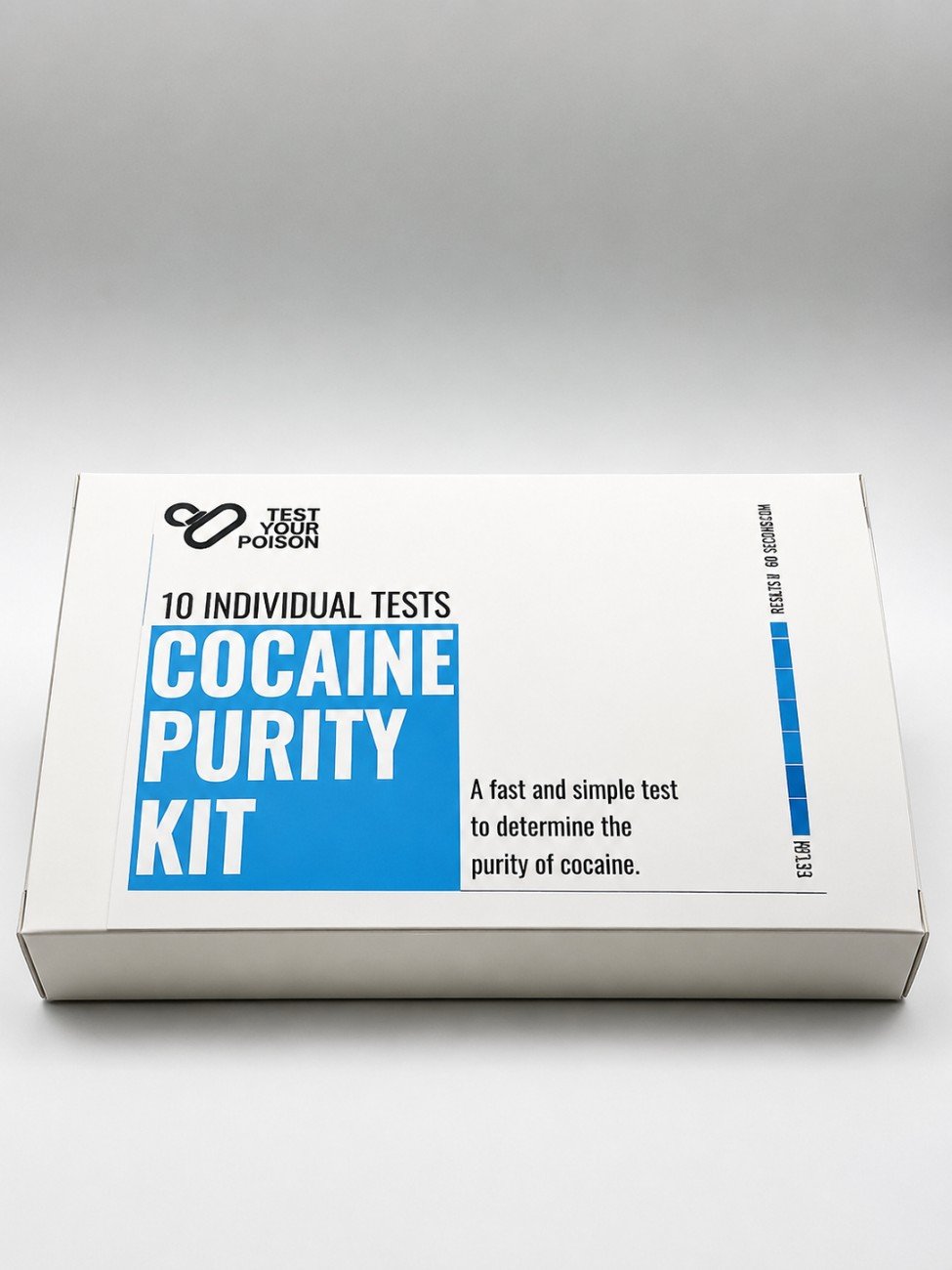
You can explore the Test Your Poison Cocaine Purity Test Kit page for product-specific information. Reviewing these details can help you understand what the product is designed to assess and what its results cannot establish.
Responsible drug-checking awareness means recognizing both the value and the limits of testing information.
Conclusion
A cocaine purity test kit may provide preliminary information about a sample, but it cannot necessarily identify every ingredient, confirm purity, or guarantee safety. Understanding these limitations helps readers interpret testing results more carefully and recognize when further analysis may be needed. Test Your Poison supports drug-checking awareness by providing product information that encourages informed decisions and a realistic understanding of testing capabilities.
Frequently Asked Questions
1. Can a cocaine purity test kit identify every substance in a sample?
No. Detection depends on the specific testing method. Some ingredients may not be detected or may produce results that are difficult to interpret.
2. Can a cocaine test kit confirm purity?
Not necessarily. Many preliminary tests cannot measure purity or determine whether all other ingredients are absent.
3. Does a positive result mean a sample is safe?
No. A positive result does not guarantee purity, establish potency, or rule out other substances and risks.
4. When is laboratory testing useful?
Laboratory analysis may provide more detailed identification and, depending on the method, information about a sample's concentration and composition.