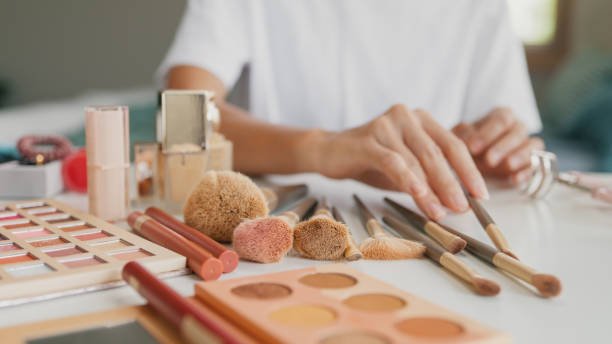
Vietnam’s beauty landscape is changing as consumers increasingly seek skincare, makeup, haircare, and personal-care products that combine quality, convenience, recognizable ingredients, and accessible pricing. Expanding e-commerce, social-media influence, rising beauty awareness, and wider access to domestic and international brands are encouraging companies to diversify their portfolios and strengthen digital engagement.
A recent study by Markntel Advisor states that the Vietnam cosmetics industry was valued at USD 0.71 billion in 2025 and is projected to grow from USD 0.79 billion in 2026 to USD 1.03 billion by 2032, registering a CAGR of 4.48% during 2026–2032. The sector’s development is being supported by changing beauty routines, digital commerce, product innovation, premium offerings, and growing consumer interest in skincare and other specialized beauty categories.
E-Commerce Expands Beauty Accessibility
Online shopping is becoming an increasingly important route for cosmetics discovery and purchasing in Vietnam. Consumers can compare brands, prices, ingredients, reviews, product claims, and promotions before making buying decisions.
Beauty is particularly suited to digital retail because consumers can explore product information, watch demonstrations, compare alternatives, and read reviews before purchasing. In 2025, Vietnamese consumers spent nearly USD 3 billion on beauty and personal-care products through major e-commerce platforms. Vietnam News’ report on beauty e-commerce spending notes that cosmetics remained the best-selling category, with revenue rising 23% year over year.
Skincare Remains a Key Focus
Skincare continues to represent an important area of beauty demand. Consumers are increasingly exploring cleansers, moisturizers, sunscreens, serums, masks, toners, and other targeted products as beauty routines become more specialized.
The growing interest in functional skincare creates opportunities for companies offering products designed around specific consumer preferences. Formulations, textures, ingredients, packaging, and product positioning can help brands differentiate themselves in an increasingly competitive environment.
Ingredient Awareness Supports Innovation
Consumers are paying greater attention to the ingredients used in beauty products. Online information, beauty creators, product reviews, and educational content are helping shoppers understand formulations and compare products according to their intended uses.
This trend is encouraging brands to communicate formulation details more clearly and develop specialized products around particular beauty needs. Ingredient transparency can also help companies build greater consumer confidence when introducing new products.
International and Local Brands Compete
Vietnam’s cosmetics landscape includes both international and domestic companies. Global brands can attract consumers through established reputations, extensive product portfolios, and technological capabilities, while local companies can compete through market knowledge, pricing, distribution, and products tailored to regional preferences.
This competitive environment encourages continued innovation across skincare, makeup, haircare, fragrances, and personal-care products.
Social Commerce Changes Product Discovery
Social commerce is becoming increasingly relevant to beauty retail. Short-form videos, livestream selling, influencers, creators, and user-generated content allow brands to demonstrate products and communicate directly with potential buyers.
Livestreaming can make cosmetics discovery more interactive by allowing consumers to see product applications, ask questions, and receive recommendations. This approach is particularly relevant for makeup and skincare, where consumers often want to understand texture, application, shade, and usage.
AI Supports Personalized Beauty
Artificial intelligence and digital tools are creating new possibilities for personalized beauty discovery. Virtual consultations, recommendation engines, digital diagnostics, and automated customer-service tools can help consumers identify products based on individual preferences.
For online retailers, these technologies can also improve product discovery by analyzing browsing behavior and purchase patterns. As digital beauty shopping develops, personalization can become an important differentiating factor.
Regulatory Compliance Shapes Development
Cosmetics companies operating in Vietnam need to consider requirements related to product notification, ingredients, labeling, safety, classification, and post-market oversight.
The Drug Administration of Vietnam continues to update its cosmetics framework in line with ASEAN requirements. Its official cosmetics regulatory updates include recent provisions concerning cosmetic substances, product management, and ASEAN-related requirements.
This regulatory environment makes compliance an important consideration for manufacturers, importers, and distributors seeking to establish sustainable operations in Vietnam.
Premiumization Creates New Opportunities
Vietnamese consumers are increasingly exploring products that offer enhanced formulations, attractive packaging, specialized ingredients, and stronger brand positioning. This is creating opportunities for affordable-premium and higher-end cosmetics alongside mass-market products.
Brands can differentiate through formulation quality, packaging design, product performance, and customer experience while maintaining different price points for diverse consumer groups.
Sustainable Packaging Gains Relevance
Environmental considerations are becoming more visible within beauty-product development. Companies are exploring recyclable materials, lighter packaging, refill concepts, and reduced packaging waste.
For cosmetics brands, sustainability needs to be balanced with product protection, shelf life, convenience, and visual appeal. Packaging innovation can therefore become both an environmental initiative and a source of product differentiation.
Product Authenticity Becomes More Important
The expansion of online beauty sales is also increasing attention toward product authenticity and seller reliability. With more products being sold through marketplaces and social-commerce channels, consumers need greater confidence that products are genuine and compliant.
The growing importance of authorized sellers is notable in this context. Official brand stores accounted for 64% of beauty e-commerce revenue in Vietnam in 2025, according to Metric.vn data reported by Vietnam News. This indicates that trusted sellers and established brands can play an important role in strengthening consumer confidence.
Future Development Remains Consumer-Focused
The Vietnam cosmetics sector is developing alongside e-commerce expansion, social commerce, ingredient awareness, product specialization, premiumization, digital personalization, and regulatory development. The projected increase from USD 0.79 billion in 2026 to USD 1.03 billion by 2032 indicates continued opportunities across skincare, makeup, haircare, fragrances, and other beauty categories.
Future development is likely to remain connected with digital beauty retail, targeted formulations, personalized recommendations, premium products, sustainable packaging, product authenticity, and stronger compliance practices. As Vietnamese consumers increasingly seek convenience, quality, transparency, and greater choice, cosmetics companies are expected to continue adapting their products and customer experiences to evolving beauty preferences.
Tags : Vietnam Cosmetics Market