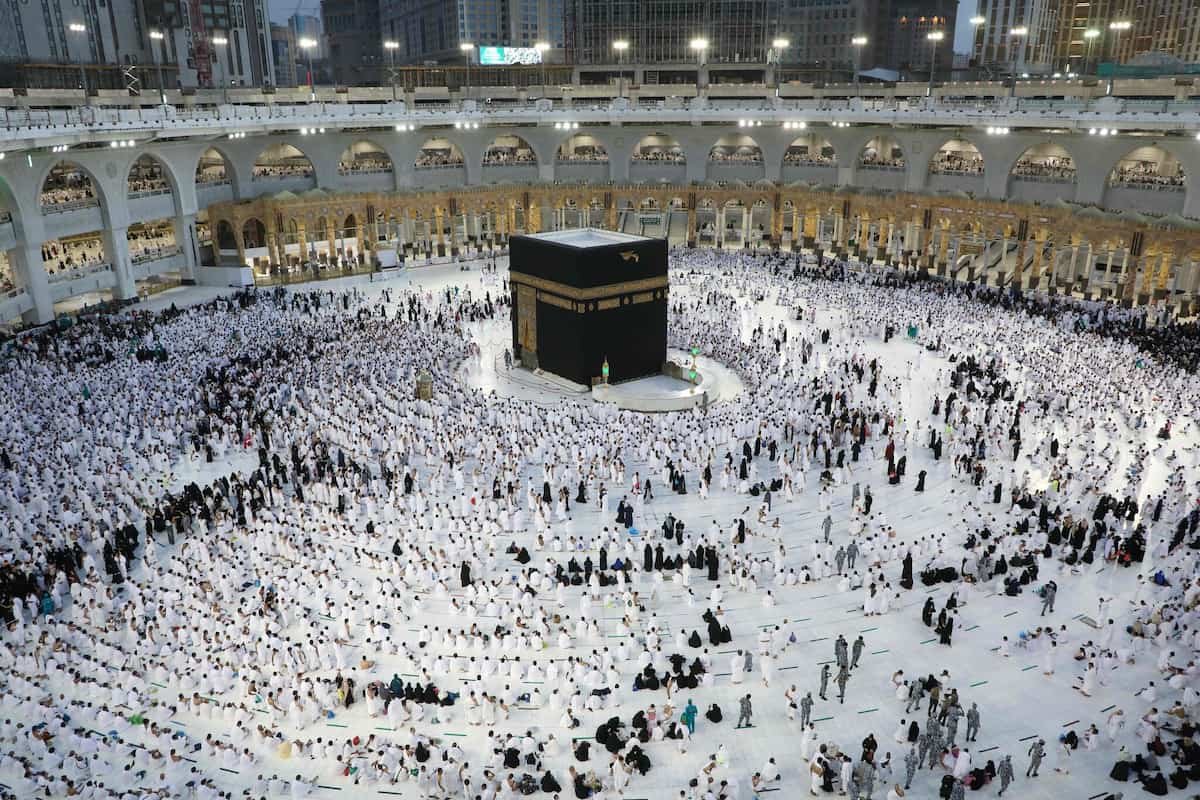
Umrah is a deeply meaningful act of worship that allows Muslims to visit the holy cities of Makkah and Madinah and strengthen their connection with Allah. Often called the lesser pilgrimage, Umrah can be performed at different times of the year, subject to applicable regulations. Although it is not obligatory in the same way as Hajj according to many scholars, it holds great spiritual significance for Muslims worldwide. Understanding the rituals before travelling can help pilgrims prepare with confidence, sincerity, and devotion.
For first-time pilgrims, learning about Ihram, Tawaf, Sa'i, and Halq or Taqsir is particularly important. Each ritual has its own purpose, requirements, and method. Preparing in advance also helps pilgrims understand the correct sequence of worship and avoid common mistakes. Those researching Umrah packages from UK can benefit from choosing arrangements that provide clear travel information, suitable accommodation, and guidance on performing the pilgrimage.
This guide explains the main Umrah rituals step by step, including their significance, how to perform them, and what pilgrims should remember throughout their spiritual journey.
Understanding the Main Rituals of Umrah
Umrah consists of several essential acts of worship performed in a specific order. These include entering Ihram with the intention of performing Umrah, completing Tawaf around the Kaaba, performing Sa'i between Safa and Marwah, and finishing with Halq or Taqsir.
The Importance of Following the Correct Sequence
Pilgrims should understand the correct sequence before beginning their journey. Ihram establishes the pilgrim's intention and special state of worship. Tawaf involves circling the Kaaba seven times, while Sa'i involves walking between the hills of Safa and Marwah seven times. The pilgrimage is completed by shaving the head or shortening the hair, according to the applicable rulings.
Learning these steps in advance can make the experience more organised and spiritually rewarding. Pilgrims should also seek reliable religious guidance if they have questions about specific rulings, particularly when circumstances differ because of illness, disability, or other personal needs.
1. Ihram: Preparing for the Sacred Journey
Ihram is the state a Muslim enters when intending to perform Umrah. It is not simply a particular type of clothing; it also involves making the intention for pilgrimage and observing specific restrictions until the relevant rites are completed.
How to Enter Ihram
Before entering Ihram, pilgrims are encouraged to prepare themselves by bathing, maintaining personal cleanliness, and taking care of necessary grooming. Men generally wear two unstitched pieces of cloth, one around the waist and another over the upper body. Women may wear modest, ordinary clothing that meets Islamic requirements. Women do not have to wear a particular colour, and their Ihram is not restricted to white garments.
Pilgrims must enter Ihram before crossing the designated Miqat boundary when travelling for Umrah from outside it. The appropriate Miqat depends on the travel route and point of origin. People flying towards Saudi Arabia should plan ahead and follow their airline's guidance so they can enter Ihram at the correct time.
After preparing, pilgrims make the sincere intention to perform Umrah and recite the Talbiyah:
Labbayk Allahumma labbayk. Labbayka la sharika laka labbayk. Innal-hamda wan-ni'mata laka wal-mulk, la sharika lak.
This expresses the pilgrim's response to Allah's call and recognition that all praise, blessings, and sovereignty belong to Him.
Important Ihram Restrictions
While in Ihram, pilgrims must observe specific restrictions. These generally include avoiding the use of perfume, refraining from cutting hair or nails, and avoiding marital intimacy. Men must also avoid wearing ordinary fitted clothing that is prohibited during Ihram and covering the head in the prescribed manner. Women should observe the applicable rules regarding face coverings and gloves.
Pilgrims should remain patient, avoid arguments, and treat others respectfully. If a restriction is accidentally violated or a particular circumstance raises uncertainty, it is best to consult a qualified scholar rather than assume that a penalty automatically applies.
2. Tawaf: Circling the Holy Kaaba
Tawaf is one of the central rituals of Umrah. It involves walking around the Kaaba in the Masjid al-Haram in Makkah seven times in an anticlockwise direction. This act of worship symbolises devotion to Allah and allows pilgrims to participate in a practice deeply rooted in Islamic tradition.
How to Perform Tawaf Correctly
Before starting Tawaf, pilgrims should ensure that they meet the relevant requirements of ritual purity and are prepared to complete the seven circuits. Each circuit begins at the level of the Black Stone, known as Hajar al-Aswad, and ends when the pilgrim returns to the same point.
If possible, pilgrims may gesture towards the Black Stone and say “Allahu Akbar” when beginning a circuit. Touching or kissing it is not necessary, and pushing through crowds to reach it should be avoided.
During Tawaf, pilgrims can make personal supplications, recite the Quran, remember Allah, or quietly reflect on their faith. There is no single compulsory supplication for every circuit. Between the Yemeni Corner and the Black Stone, a commonly recited supplication is:
Rabbana atina fid-dunya hasanatan wa fil-akhirati hasanatan wa qina adhaban-nar.
This means: “Our Lord, give us good in this world and good in the Hereafter, and protect us from the punishment of the Fire.”
Practical Tips for a Comfortable Tawaf
The Masjid al-Haram can become extremely crowded, especially during Ramadan, school holidays, and peak pilgrimage seasons. Pilgrims should walk at a comfortable pace, avoid sudden stops in busy areas, and follow the instructions of mosque staff.
Men traditionally perform Ramal, a brisker style of walking, during the first three circuits of certain Tawaf types when the relevant conditions apply. This practice should not endanger the pilgrim or others. Women do not perform Ramal.
After completing seven circuits, pilgrims generally pray two Rak'ahs if practical, preferably in a suitable area without obstructing others. If the recommended location is crowded, they should prioritise safety and follow the mosque's arrangements.
3. Sa'i: Walking Between Safa and Marwah
Sa'i is the ritual of walking between the hills of Safa and Marwah, located within the Grand Mosque complex. It commemorates the struggle and trust in Allah demonstrated by Hajar, the wife of Prophet Ibrahim (peace be upon him), when she searched for water for her infant son, Ismail (peace be upon him).
Her perseverance and reliance upon Allah are powerful reminders of patience, faith, and hope.
The Correct Method of Performing Sa'i
Sa'i begins at Safa and ends at Marwah. Pilgrims walk between the two points seven times, with each one-way journey counting as a single passage.
The sequence is as follows:
- First passage: Safa to Marwah.
- Second passage: Marwah to Safa.
- Third passage: Safa to Marwah.
- Fourth passage: Marwah to Safa.
- Fifth passage: Safa to Marwah.
- Sixth passage: Marwah to Safa.
- Seventh passage: Safa to Marwah.
Therefore, the seventh passage finishes at Marwah.
Pilgrims may remember Allah, recite supplications, and pray for themselves, their families, and the wider Muslim community throughout Sa'i. At Safa and Marwah, they may face the direction of the Kaaba and make supplications as appropriate.
Guidance for Elderly Pilgrims and Families
The Sa'i route is designed to accommodate large numbers of pilgrims, and assistance may be available for people who have mobility difficulties. Elderly pilgrims and those with disabilities should plan ahead and use permitted mobility aids or other authorised assistance where necessary.
Families travelling with children should keep young pilgrims close and establish a meeting plan in case anyone becomes separated. Comfortable footwear, hydration when permitted and appropriate, and regular rest can help reduce fatigue.
People comparing Umrah packages from UK should check whether their chosen provider offers practical guidance for elderly travellers, families, or pilgrims who require additional support. These details can make the journey more manageable, although the availability of specific services should always be confirmed before booking.
4. Halq and Taqsir: Completing Umrah
Halq and Taqsir are the final acts that complete Umrah. After finishing Tawaf and Sa'i, pilgrims shave their heads or shorten their hair in accordance with Islamic guidance. Once the required act is completed, they exit the state of Ihram and its associated restrictions no longer apply.
What Is Halq?
Halq means shaving the head. It is generally preferred for men according to many Islamic teachings, and authentic hadith reports describe the Prophet Muhammad (peace and blessings be upon him) praying for those who shave their heads and those who shorten their hair.
Men choosing Halq should use a clean, safe service and ensure that the shaving is carried out appropriately.
What Is Taqsir?
Taqsir means shortening the hair. Men who do not shave their heads may shorten their hair according to the relevant religious requirements. Women generally cut a small portion from the ends of their hair rather than shaving their heads.
The exact method and minimum amount of hair to be cut can vary according to scholarly interpretation and school of Islamic law. Pilgrims who are uncertain should seek guidance from a trusted scholar or qualified religious guide before completing this final step.
What Happens After Hair Is Cut?
After completing the required Halq or Taqsir, pilgrims exit Ihram. The restrictions associated with Ihram are lifted, and Umrah is complete.
Pilgrims should avoid rushing through this stage or assuming that completing Sa'i alone automatically concludes the pilgrimage. Understanding the final requirement beforehand helps ensure that all the principal rituals are completed correctly.
Preparing for Umrah from the UK
Good preparation can make the pilgrimage more comfortable and reduce avoidable travel difficulties. Pilgrims travelling from Britain should review their documents, travel arrangements, accommodation, and religious requirements before departure.
Check Travel Documents and Package Inclusions
Before booking, verify passport validity, Saudi entry requirements, visa arrangements, flights, hotel details, ground transport, and any services included in the price. Requirements may change, so consult official Saudi sources and your travel provider for current information.
When comparing Umrah packages from UK, look beyond the advertised price. Check the hotel's actual location, room occupancy, distance from the Haram, baggage allowances, transport arrangements, cancellation terms, and any additional charges. Ask whether religious guidance is provided and whether the itinerary allows enough time for rest.
A lower-priced package may suit some travellers, while others may prefer a hotel closer to the Haram or additional support throughout the journey. The right choice depends on personal needs, budget, health, and travel dates.
Learn the Rituals Before Departure
Reading a reliable Umrah guide or attending a pre-departure seminar can help pilgrims understand Ihram, Tawaf, Sa'i, and Halq or Taqsir before arriving in Makkah. Learning the correct sequence in advance can reduce uncertainty and allow pilgrims to concentrate on worship.
It is also helpful to save important contact numbers, keep copies of travel documents, carry prescribed medication where applicable, and agree on a meeting point with family members. Pilgrims should remain patient, respect local regulations, and follow instructions from authorised personnel throughout the journey.
Common Mistakes to Avoid During Umrah
Even well-prepared pilgrims can become confused during crowded or unfamiliar situations. Understanding common mistakes can help prevent unnecessary stress.
Rushing Through the Rituals
Umrah should not be treated as a race. Pilgrims should complete each ritual carefully, maintain awareness of their surroundings, and avoid pushing other people. If a crowd becomes difficult to navigate, follow official directions and choose a safer route.
Assuming Every Supplication Is Compulsory
There are many recommended supplications and acts of remembrance, but pilgrims should not assume that a particular lengthy prayer is mandatory for each circuit of Tawaf or passage of Sa'i. Simple remembrance of Allah and sincere personal supplication are valuable throughout the pilgrimage.
Neglecting Health and Rest
Walking considerable distances in warm weather can cause fatigue and dehydration. Pilgrims should drink water when appropriate, take permitted rest breaks, wear suitable clothing, and seek medical assistance if they feel unwell.
Conclusion
Understanding the rituals of Umrah helps pilgrims approach their journey with greater confidence, preparation, and devotion. Ihram marks the beginning of the sacred pilgrimage, Tawaf involves seven circuits around the Kaaba, Sa'i commemorates Hajar's perseverance between Safa and Marwah, and Halq or Taqsir completes the principal rites.
By learning the correct sequence, following reliable religious guidance, and preparing for the practical demands of travel, pilgrims can focus more fully on worship and reflection. When researching Umrah packages from UK, compare accommodation, transport, documentation, support services, and booking conditions carefully to find an arrangement that meets your needs.
Above all, remember that Umrah is an opportunity to seek Allah's mercy, renew your faith, and strengthen your spiritual connection. Thoughtful preparation, patience, sincerity, and consideration for fellow pilgrims can help make this sacred journey a meaningful experience.