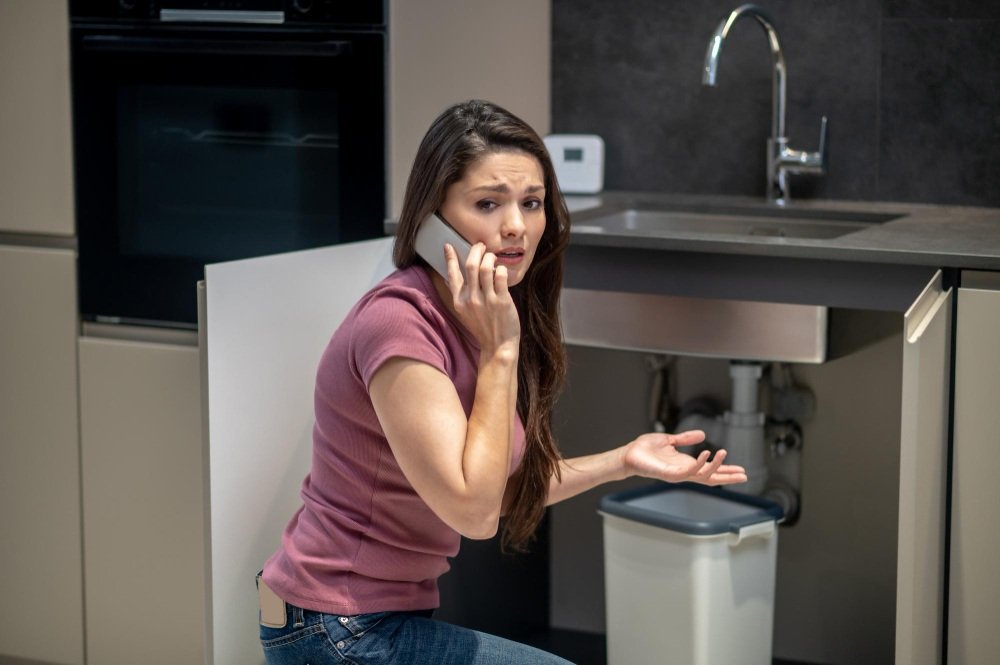
Small plumbing problems rarely stay small. A dripping tap, a slow drain, or a damp patch on the wall can each escalate into structural damage, mould growth, or a burst pipe if left unaddressed. Catching these warning signs early — and acting on them quickly — is the most cost-effective way to protect your home and avoid emergency repair bills that run into the thousands.
Most homeowners in Singapore treat plumbing issues as minor inconveniences. A leaky faucet gets ignored because it only wastes "a little water." A gurgling drain seems harmless until it backs up completely. The truth is, minor plumbing faults follow a predictable pattern: they worsen gradually, then fail suddenly. Working with a reliable plumbing company at the first sign of trouble is almost always cheaper than dealing with the aftermath.
Why Small Plumbing Issues Escalate So Quickly
Water is persistent. It finds every gap, crack, and weak joint in your plumbing system. When a small leak is left unattended, water seeps into walls, floors, and ceilings. Over time, this causes timber rot, concrete spalling, and mould colonies — all of which are significantly more expensive to repair than the original plumbing fault.
In Singapore's humid climate, moisture problems compound faster than in drier countries. High ambient humidity means that even a minor hidden leak can create mould within 24 to 48 hours. The cost difference between fixing a leaking pipe joint early versus repairing water-damaged walls and flooring can easily be ten times higher.
Common Small Plumbing Problems You Should Never Ignore
1. Dripping Taps and Leaking Faucets
A tap that drips once per second wastes more than 30 litres of water per day. That adds up to over 11,000 litres a year — reflected directly on your water bill. Beyond the financial waste, a constantly dripping tap puts unnecessary pressure on washers, O-rings, and valve seats, accelerating wear and eventually requiring a full faucet replacement instead of a simple washer change.
The fix is straightforward and inexpensive when caught early. Ignore it long enough, and you are looking at corroded fittings and damaged sink cabinetry from prolonged moisture exposure.
2. Slow or Blocked Drains
A drain that empties slowly is already partially blocked. Hair, grease, soap scum, and food particles build up inside pipes over months. At first, the water drains slowly. Then it pools. Eventually, it backs up entirely — sometimes into other fixtures in the same plumbing stack.
A partial blockage in one drain can signal a deeper obstruction in the main line. If two or more fixtures drain slowly at the same time, that is a strong indicator of a blockage in the building's main soil pipe — a problem that requires professional clearing equipment, not a household plunger.
3. Running Toilets
A toilet that continues running after flushing is one of the most common — and most overlooked — plumbing problems in Singapore homes. The cause is usually a worn flapper valve or a faulty float mechanism inside the cistern. On its own, a running toilet can waste between 200 to 400 litres of water per day.
The internal components of a toilet cistern are inexpensive and quick to replace. Left running for months, however, the constant water flow can erode the fill valve seat, requiring a full cistern unit replacement. It also contributes to abnormally high water bills that many homeowners mistakenly attribute to other causes.
4. Low Water Pressure
Reduced water pressure at one or more fixtures is not just a comfort issue — it is a symptom. It can indicate a developing blockage in your supply line, a partially closed stopcock, a failing pressure regulator, or early-stage pipe corrosion.
In older HDB flats and landed properties with aging galvanised steel pipes, low pressure often precedes a pipe failure. Galvanised pipes corrode from the inside outward. As rust accumulates, the internal diameter narrows, flow drops, and eventually the pipe wall weakens to the point of rupture. Catching this early allows for a controlled pipe replacement rather than an emergency repair.
5. Damp Walls, Ceilings, and Unexplained Water Stains
Yellow or brown stains on walls or ceilings, persistent damp patches, or paint that bubbles and peels are all signs of a concealed water leak. These leaks often originate from supply pipes or waste pipes running inside wall cavities or beneath floor slabs.
In Singapore, concealed pipe leaks are a known issue in older condominiums and HDB blocks, particularly in bathrooms and kitchens where pipes have been running for 20 or more years. By the time a water stain becomes visible, the leak has typically been ongoing for weeks. Structural repairs — including hacking of tiles, replastering, and repainting — add significantly to what would have been a simple pipe repair.
6. Water Heater Warning Signs
Rumbling or popping sounds from your storage water heater, discoloured hot water, or a unit that takes unusually long to heat up are all signs of sediment buildup or early-stage element failure. Singapore's water supply contains minerals that settle in water heater tanks over time, reducing efficiency and eventually causing tank corrosion.
A water heater that fails completely — especially one that leaks — can flood a bathroom or utility area in a matter of hours. Annual servicing and prompt attention to performance changes can extend the life of a unit significantly and prevent sudden failure.
Preventive Maintenance: What Homeowners Can Do
Many of the problems above are entirely preventable with a simple maintenance routine. Here is a practical checklist for Singapore homeowners, landlords, and property owners:
- Check all visible pipes and joints monthly for signs of moisture, rust, or discolouration.
- Test water pressure at key fixtures seasonally. A sudden drop warrants investigation.
- Clear drain traps regularly using a drain guard to catch hair and debris before it enters the pipe.
- Listen to your plumbing. Banging, gurgling, or hissing sounds are not normal — they indicate pressure fluctuations or partial blockages.
- Monitor your water bill. An unexplained spike of 15–20% or more often indicates a hidden leak or a running toilet.
- Service your water heater annually, especially if the unit is more than five years old.
- Know where your main stopcock is. In an emergency, being able to isolate your water supply within seconds can prevent extensive water damage.
When to Call a Professional Plumber in Singapore
Some jobs are straightforward enough for a capable homeowner — replacing a tap washer, for instance. But most plumbing work in Singapore should be carried out by a licensed plumber. Under PUB (Singapore's national water agency) regulations, certain types of plumbing work — including work on sanitary systems and supply pipes — must be performed by a Licensed Plumber registered with PUB.
Attempting DIY repairs on supply lines or concealed pipework without the proper knowledge can void insurance coverage and create liability issues, particularly in HDB properties or strata-titled condominiums where damage to shared infrastructure carries serious consequences.
As a general rule, call a professional when:
- More than one fixture is affected simultaneously
- You can hear water running when all taps are off
- There is visible damp or a water stain with no obvious source
- Water pressure has dropped noticeably without explanation
- A DIY fix has not resolved the problem after one attempt
The Real Cost of Waiting
A leaking pipe joint might cost a few hundred dollars to repair professionally. The same leak — left for three months — can cause tile damage, subfloor rot, mould remediation costs, and potential liability to the unit below in a condominium. The repair bill can escalate from a few hundred to several thousand dollars, plus the disruption of hacking, drying out, and restoring the affected area.
The economics are clear: early intervention is always cheaper. The challenge is recognising the warning signs before they become emergencies — which is exactly why routine inspection and professional maintenance matter so much.
For homeowners, landlords, and property managers across Singapore, Heng Plumbing offers licensed, experienced plumbing services that cover everything from routine inspections and drain clearing to concealed leak detection and full pipe replacement. Getting a professional assessment at the first sign of a problem is not an expense — it is an investment in your property.
Frequently Asked Questions
How do I know if I have a hidden water leak in my home?
Common signs include unexplained increases in your water bill, damp or discoloured patches on walls and ceilings, the sound of running water when all taps are off, and musty odours indicating mould growth. If you notice any of these signs, contact a licensed plumber in Singapore promptly to conduct a leak detection inspection.
Is a dripping tap really worth fixing immediately?
Yes. A tap dripping once per second wastes over 11,000 litres of water annually, increasing your utility bills and accelerating wear on faucet components. Early repair typically involves replacing a washer or O-ring — a minor cost. Delayed repairs often result in corroded fittings and cabinetry damage that cost significantly more to resolve.
Can a running toilet cause serious water damage?
A continuously running toilet primarily causes high water wastage — up to 400 litres per day — rather than direct water damage. However, if the overflow mechanism fails or the cistern cracks due to prolonged stress, it can cause water damage to flooring and cabinetry. Early cistern repairs prevent both water waste and the risk of a more serious failure.
Do I need a licensed plumber for all plumbing repairs in Singapore?
Under PUB regulations, certain plumbing works — including repairs to sanitary systems and internal supply pipes — must be carried out by a PUB-registered Licensed Plumber. Unlicensed plumbing work can void insurance and breach HDB or condominium bylaws. For anything beyond basic maintenance, always engage a licensed professional to ensure compliance and safety.
How often should I have my plumbing inspected in Singapore?
For most residential properties, an annual plumbing inspection is recommended. Older properties — particularly those over 15 to 20 years old with original galvanised steel pipes — benefit from inspections every six months. Landlords renting out properties should schedule an inspection between tenancies to identify any developing issues before they escalate into costly repairs.
What is the most common cause of low water pressure in Singapore homes?
The most frequent causes are sediment or mineral buildup inside pipes, a partially closed stopcock valve, a failing pressure regulator, or corrosion in older galvanised steel pipes. In HDB flats, shared riser issues can also affect individual units. A licensed plumber can diagnose the exact cause and recommend the appropriate repair before the problem worsens.


















