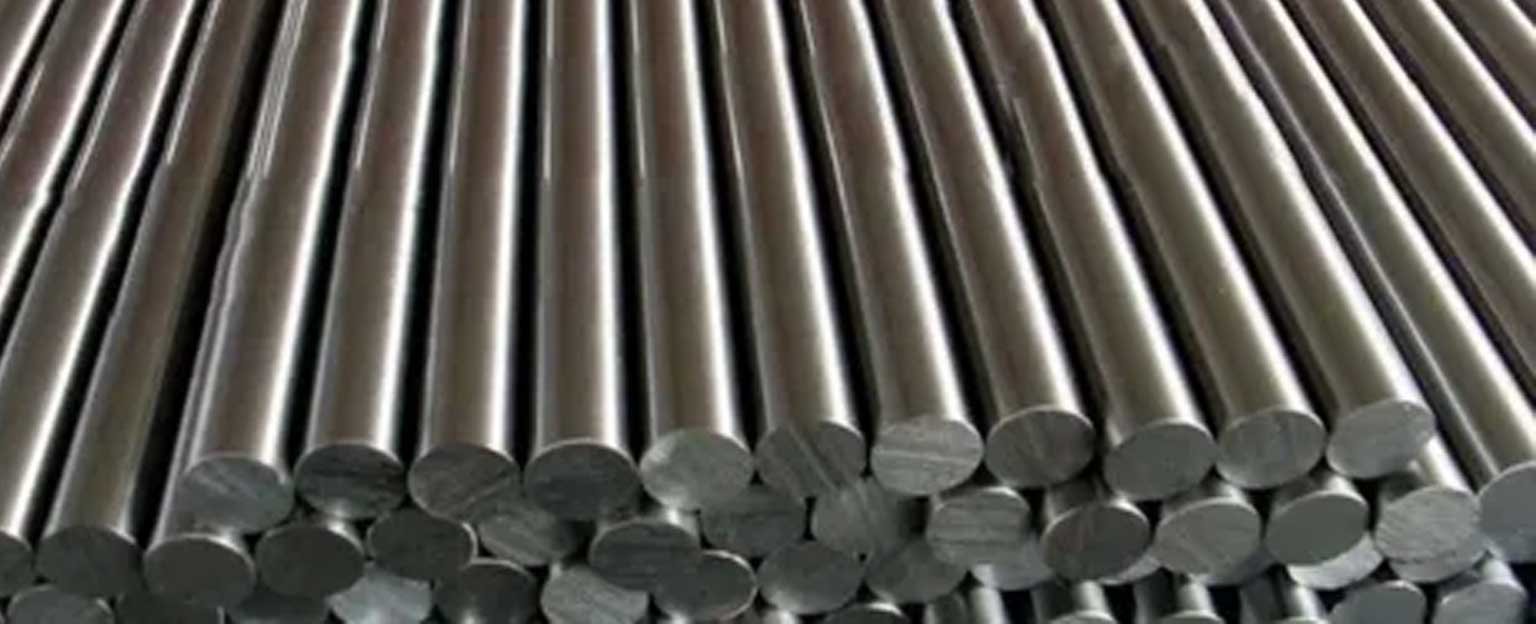
Selecting the right tool material determines performance in precision tooling, cutting operations, and advanced manufacturing. Severe machining environments require excellent hardness, wear resistance, toughness, dimensional stability and cutting performance. ASP 2052 is a powder metallurgy high-speed tool steel built for demanding tooling applications. This blog covers the composition, properties, advantages, applications, and selection considerations of ASP 2052 in precision manufacturing.
What Is ASP 2052 Material?
ASP 2052 is a powder metallurgy high-speed steel. Alloying elements like carbon, tungsten, molybdenum, and vanadium enhance material properties. Powder metallurgy manufacturing achieves a uniform carbide structure. Traditional casting leaves irregular clumps. This structure indicates that ASP 2052 Material performs reliably compared with conventional high-speed tool steels. Machinists check specifications to match this ASP 2052 Powder Metallurgy Steel to factory equipment.
Key Properties of ASP 2052
The physical and mechanical traits determine how well the steel performs in factory conditions. ASP 2052 Tool Steel brings specific metallurgical advantages to heavy machining.
High hardness after heat treatment
Enables the tool to cut rigid materials without deforming under heavy operational pressure.
Excellent abrasive wear resistance
This high-wear-resistant tool steel withstands surface friction without deforming.
High compressive strength
Resists collapsing or bulging under heavy compressive loads during mechanical press cycles.
Good toughness for demanding tooling operations
Retains toughness to absorb impacts and handle interrupted cutting without cracking.
Superior edge retention
ASP 2052 High Speed Steel keeps edges sharp longer. Operators avoid stopping machines constantly.
Excellent dimensional stability
The metal resists warping. Parts require minimal final grinding after heat treatment.
Fine and uniform carbide distribution
The structure contains evenly spread carbides. There are no weak brittle clusters.
Resistance to chipping and deformation
The solid matrix prevents the cutting edge from flaking off during aggressive metal removal.
Reliable performance during high-speed machining
This Powder Metallurgy Tool Steel retains physical strength as friction and heat increase.
Why ASP 2052 Is Suitable for Precision Tooling
ASP 2052 delivers excellent cutting-edge retention. It maintains dimensional accuracy during repeated operations. The alloy is suitable for high-load and high-wear tooling. This helps improve tool durability. It performs effectively in precision machining environments. The metal is suitable for applications requiring consistent tolerances. It offers a good combination of hardness, toughness, and wear resistance.
Applications of ASP 2052 in Manufacturing
Factory managers choose ASP 2025 Tool Steel for heavy-duty tools because standard metals fail under extreme conditions. It provides a reliable solution for core tooling applications across production lines.
Precision cutting tools
ASP 2052 Cutting Tools handle high-speed milling and cut hard alloys while maintaining exact specifications.
Punches and dies
These punch holes through thick plates. The punches resist wear after repeated strikes.
Forming tools
The steel keeps its shape while bending other metals into profiles under pressure.
Blanking tools
Blanking cuts flat shapes. Tooling edges stay sharp to prevent burrs on cut pieces.
Progressive dies
ASP 2052 dies are utilised in order to manage multiple stamping steps. Structural stability prevents continuous failure.
Threading tools
Cuts clean threads into tough fasteners without chipping the delicate thread profile during machining.
High-performance industrial tooling
ASP 2052 Industrial Tooling handles custom automated machining. It withstands continuous robotic manufacturing heat.
Components exposed to severe abrasive wear
Serves well as wear plates or guides in abrasive systems handling rough materials.
ASP 2052 vs Conventional Tool Steel
Conventional steel uses standard casting. ASP 2052 relies on powder metallurgy. This process changes the distribution of carbides. Traditional steel has irregular carbide pooling. ASP 2052 spreads carbides evenly. This creates higher hardness and wear resistance. Traditional metals chip when stressed. ASP 2052 provides toughness and resistance to chipping. Dimensional stability is more predictable. Tool life under demanding machining conditions increases. Powder metallurgy can provide advantages for precision tooling by eliminating structural weak points.
Heat Treatment and Machining Considerations
Proper heat treatment is required to achieve the desired hardness. Factories follow specific annealing and hardening considerations. Precise tempering requirements determine final toughness. Heat treatment affects dimensional stability. Poor temperature control causes warping. Operators adjust grinding and machining considerations after hardening. The hardened steel requires rigid machine setups. Using suitable cutting and grinding parameters prevents surface cracking. ASP 2052 Heat Treatment protocols ensure the ASP 2052 Hardness matches the ASP 2052 Machining process requirements.
Factors to Consider When Selecting ASP 2052
Toolmakers must evaluate operational variables before choosing this steel. A proper assessment prevents premature tool failure. Review technical parameters to confirm the material fits the project.
Type of tooling application
Identify if the tool will cut, punch, or form. Operations stress the steel differently.
Required hardness
Match target hardness to the workpiece. Harder workpieces require the tool to reach maximum hardness.
Wear conditions
Assess the abrasiveness of the environment. High friction requires prioritising surface wear resistance.
Cutting speed and operating loads
Spindle speeds generate heat. Calculate operating loads to ensure the steel handles thermal stress.
Required dimensional accuracy
Tight tolerance parts need rigid tooling. Verify the material holds its exact physical shape.
Tool geometry
Complex shapes have weak points. Toughness must support sharp corners and thin edges.
Expected tool life
Calculate the desired run length. Longer runs justify the cost of powder metallurgy steel.
Heat-treatment requirements
Check vacuum furnace availability. The metal requires precise atmospheric control during hardening.
Manufacturing and finishing methods
Determine how the final tool will be machined. Hard machining requires specialised cutting inserts.
Material certification and quality control
Source metal from verified suppliers. Certification guarantees the structure meets chemical specifications.
Conclusion
Material selection is critical for precision tooling and manufacturing. ASP 2052 delivers wear resistance, hardness, toughness, edge retention, and dimensional stability. Selecting the appropriate ASP 2052 Tool Steel grade and processing condition must be based on exact tooling requirements, operating conditions, and manufacturing parameters. Proper application of this metal improves factory output and reduces mechanical tooling failures.
Tags : ASP 2052