Security Camera Laws in Canada: What You Need to Know in 2026
By United Security Systems 16-10-2026 1
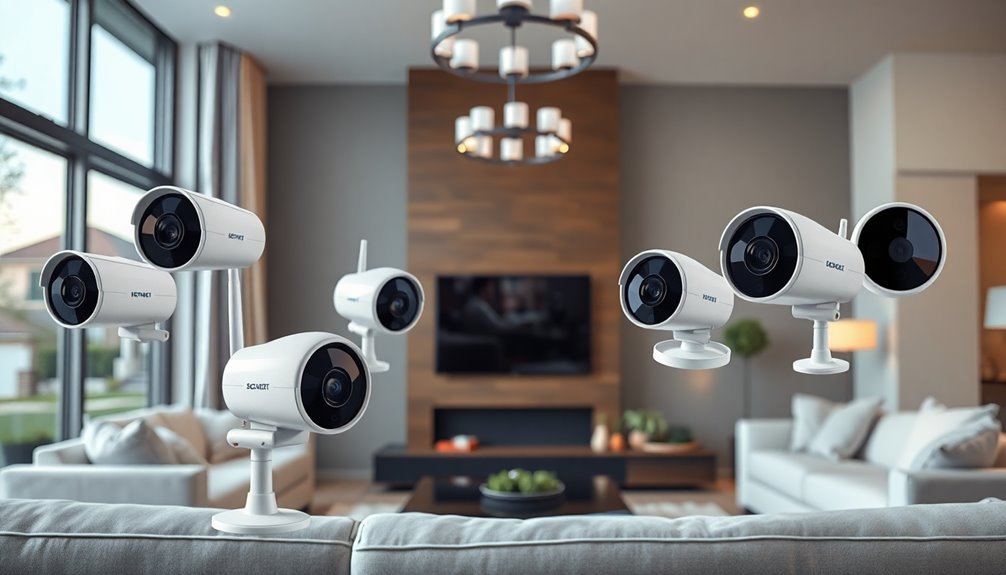
Cameras are now an everyday part of Canadian life. They sit above shop doors, inside condo lobbies, on school grounds, and beside front doors. As the technology gets cheaper and smarter, a practical question keeps coming up: what are you actually allowed to do with a camera?
The short answer is that Canada does not have one single camera statute. Instead, there is a patchwork of privacy legislation, criminal law, regulator guidance, and local rules. This guide walks through that patchwork in plain language and highlights what matters most in 2026.
This article is general information, not legal advice. Rules vary by province, industry, and property type, so confirm requirements with your provincial privacy commissioner or a lawyer.
The Big Picture: A Patchwork, Not a Single Law
Where you live and who operates the camera decide which rules apply. Private homeowners using cameras for personal reasons are treated differently from businesses. Businesses are treated differently from public bodies such as municipalities, schools, and hospitals. Criminal law then sits on top of everything, setting limits on conduct like voyeurism and intercepting private communications.
This is why two people can ask the same question about camera rules and get different answers. The helpful starting point is always to ask: who is recording, where, and why?
Cameras at Home: Mostly Allowed, With Limits
For personal use, Canadians can generally record their own property, such as the front door, driveway, and yard. Privacy laws aimed at organizations typically do not apply to purely household use.
Even so, common sense and other laws still matter:
- Do not aim cameras at private spaces. Neighbouring windows, backyards, and bedrooms are off limits in practice, and recording them can lead to civil claims or criminal issues.
- Be careful with audio. Many cameras and video doorbells record sound by default. Capturing private conversations you are not part of can raise serious legal problems, so turning audio off is the safest choice.
- Think before you post. Sharing footage of neighbours or passers-by online can trigger disputes, even if the recording itself was lawful.
- Check local rules. Municipal bylaws, condo declarations, and leases can restrict where cameras may be mounted.
The Rulebook Regulators Actually Use
For businesses, the most useful guidance comes from privacy commissioners. The federal, British Columbia, and Alberta commissioners jointly issued guidelines for video surveillance by private-sector organizations. They recognize that businesses have legitimate reasons to use cameras, but they stress that video collects personal information, and privacy laws limit how it can be collected, used, and shared.
The guidance sets out ten factors to consider. In simple terms, they ask you to:
- Check whether a less privacy-invasive option would meet your needs.
- Define a clear business reason and use cameras only for that reason.
- Create a written video surveillance policy.
- Tell the public that surveillance is taking place.
- Train camera operators on their privacy responsibilities.
- Review the need for surveillance on a regular basis.
The remaining points cover practical matters such as placement, access to recordings, storage, retention, and responding to individuals’ requests. Although this guidance comes from specific regulators, legal commentators note that the same principles are useful across Canada.
Understanding Security Camera Laws for Workplaces
Workplace cameras get extra scrutiny because employees have limited choice about being recorded. Guidance from British Columbia explains that employers should not use workplace video surveillance unless they have taken careful steps to protect privacy. Key practices include:
- A written workplace surveillance policy that explains what is recorded and why
- Clear signs stating that the area is under video surveillance and for what purpose
- Limiting recording to the times and places where it is actually needed
- Naming the people who are authorized to view footage
- Giving individuals access to footage of themselves when the law requires it
- Making the policy available and reviewing it regularly
When it comes to security camera laws, workplaces are where compliance gaps appear most often, so a simple policy and good signage go a long way.
Public Bodies and Ontario’s 2026 Changes
Government institutions follow public-sector privacy legislation. In Ontario, that means FIPPA and MFIPPA. This year, Ontario’s Information and Privacy Commissioner has flagged that these laws have changed as a result of Bill 97, with further amendments in force on July 1, 2026, September 15, 2026, and January 1, 2027. As a result, some of the commissioner’s guidance is under review and subject to change.
The commissioner has also explained that Ontario’s privacy laws do not require police or municipalities to ask citizens for permission before installing CCTV. However, those institutions must still follow privacy rules around collection, retention, use, and disclosure, including data minimization. In plain terms, public cameras do not need a public vote, but they do need to be justified, limited, and managed responsibly.
If you manage a school, municipality, or other public body, check your commissioner’s website regularly for updates.
Landlords, Tenants, and Condo Boards
Residential buildings add another layer. Tenants should review their lease and speak with the landlord before installing a camera on a balcony, hallway, or shared wall. Landlords and condo boards that operate cameras in common areas should explain what is recorded, why, how long it is kept, and who can view it. Cameras that look into private units or constantly track residents can create serious privacy problems.
Signage, Retention, and Access: The Practical Basics
Three habits cover most of the compliance risk:
- Signage. Post clear notices where cameras operate, including a point of contact for questions.
- Retention. Keep footage only as long as you need it, then delete it securely. Longer retention should be justified by an actual incident or investigation.
- Access and security. Limit who can view footage, use strong passwords and two-factor authentication where possible, and keep recorders in secure places.
Common Mistakes to Avoid
Owners often install cameras without a clear purpose, forget signage, leave audio on, or aim cameras at places where people expect privacy. Others store footage indefinitely, share logins, or use default passwords on cameras and recorders. Correcting these basics removes most of the risk.
A Simple 2026 Compliance Checklist
- Define why you need cameras and which areas you will cover.
- Keep cameras focused on your own property or areas you have a right to monitor.
- Turn off audio unless you are certain it is lawful and necessary.
- Post visible signs if you operate as a business, landlord, or organization.
- Write a short policy covering purpose, access, retention, and requests for footage.
- Secure your system with strong passwords, updates, and limited access.
- Review your setup at least once a year, or whenever the property or rules change.
- Follow updates from your provincial privacy commissioner.
Design a System That Is Easy to Defend
Compliance is far easier when it is built in from the start. A well-planned layout, sensible camera angles, privacy masking, secure storage, and proper access controls make it easier to show that your system is reasonable and limited to its purpose.
If you want help planning a system that balances protection and privacy, United Security Systems can assess your property, recommend suitable equipment, and install cameras with practical settings that support responsible use. Getting the design right at the beginning usually saves time and avoids costly adjustments later.
Camera rules in Canada are flexible but not careless. Use cameras for a clear purpose, respect other people’s privacy, keep audio off unless it is clearly justified, protect your footage, and stay up to date with changes in your province. If you do those things, your cameras can protect what matters while keeping you on solid legal ground.