NeurOptics Smart Approach to Pupillary Evaluation is transforming the way clinicians monitor neurological function in high-acuity settings. Traditional flashlight exams rely heavily on subjective interpretation, ambient lighting conditions, and manual documentation. In contrast, the advanced technology developed by NeurOptics introduces objective, quantitative measurements that support faster and more confident clinical decision-making.
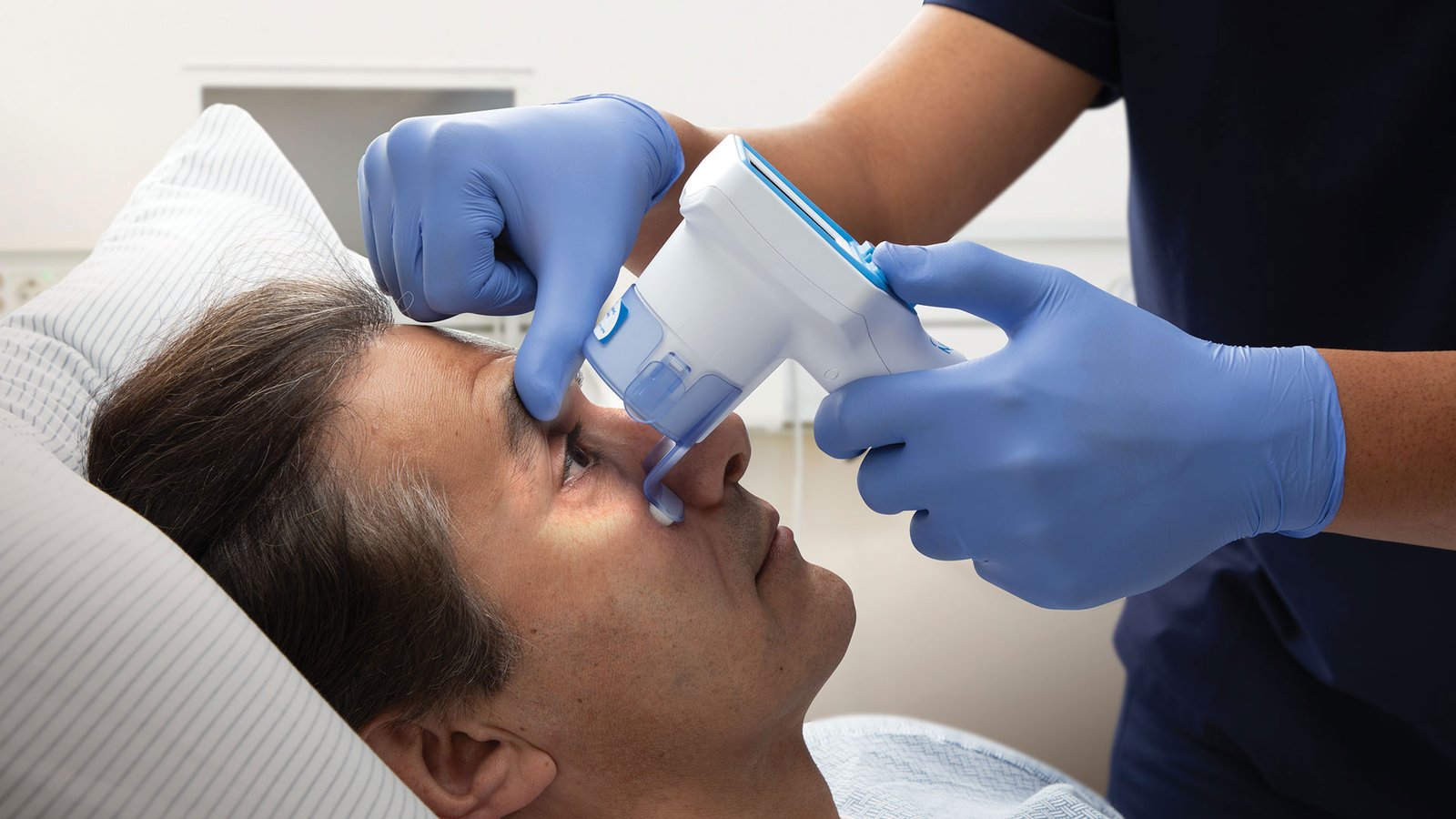
Using automated infrared pupillometry, the system measures pupil size, reactivity, constriction velocity, dilation velocity, and latency with exceptional precision. These metrics are instantly calculated and displayed in a standardized format, reducing variability between examiners. In emergency departments, intensive care units, and post-operative neurosurgical recovery units, this level of consistency is critical. Even subtle neurological changes can signal increased intracranial pressure, traumatic brain injury progression, stroke complications, or post-surgical deterioration.
One of the most valuable features is the Neurological Pupil index (NPi), a proprietary algorithm that provides a clear numerical indicator of pupillary function. Instead of relying on subjective descriptions like “sluggish” or “brisk,” clinicians receive a standardized score that improves communication across multidisciplinary teams. This enhances early detection of neurological decline and supports timely intervention, which can significantly impact patient outcomes.
Beyond clinical accuracy, NeurOptics’ smart approach dramatically improves workflow efficiency. Automated data capture eliminates manual charting errors and reduces documentation time. Results can be digitally stored and integrated into electronic medical records, ensuring accurate trend monitoring over time. This is especially beneficial in critical care settings where frequent neurological assessments are required and time is limited.
For patients recovering from neurosurgery or managing acute neurological conditions, continuous and reliable monitoring provides an added layer of safety. Objective pupillary data allows healthcare providers to identify changes earlier, initiate treatment faster, and potentially shorten hospital stays. By combining precision technology with streamlined documentation, NeurOptics is not only improving diagnostic confidence but also accelerating recovery pathways in some of the most vulnerable patient populations.
In today’s fast-paced clinical environments, smarter pupillary evaluation is not just a convenience—it’s an essential advancement in neurological care.
By reducing variability and enhancing real-time neurological assessment, NeurOptics empowers clinicians to deliver proactive, data-driven care. The result is improved patient safety, stronger clinical collaboration, and more efficient critical care management across emergency and neurocritical settings.
Gallery
Opening Hours
| Open | 24 x 7 Hours |
|---|
Recent Questions and Answers
Have a question? Ask away!
Related Listing

Requirements traceability matrix

R3 Access Inc.