How to Judge the Best Modular Kitchen Company in India: Quality and Pricing Factors
By Novella Kitchens 23-10-2026 7
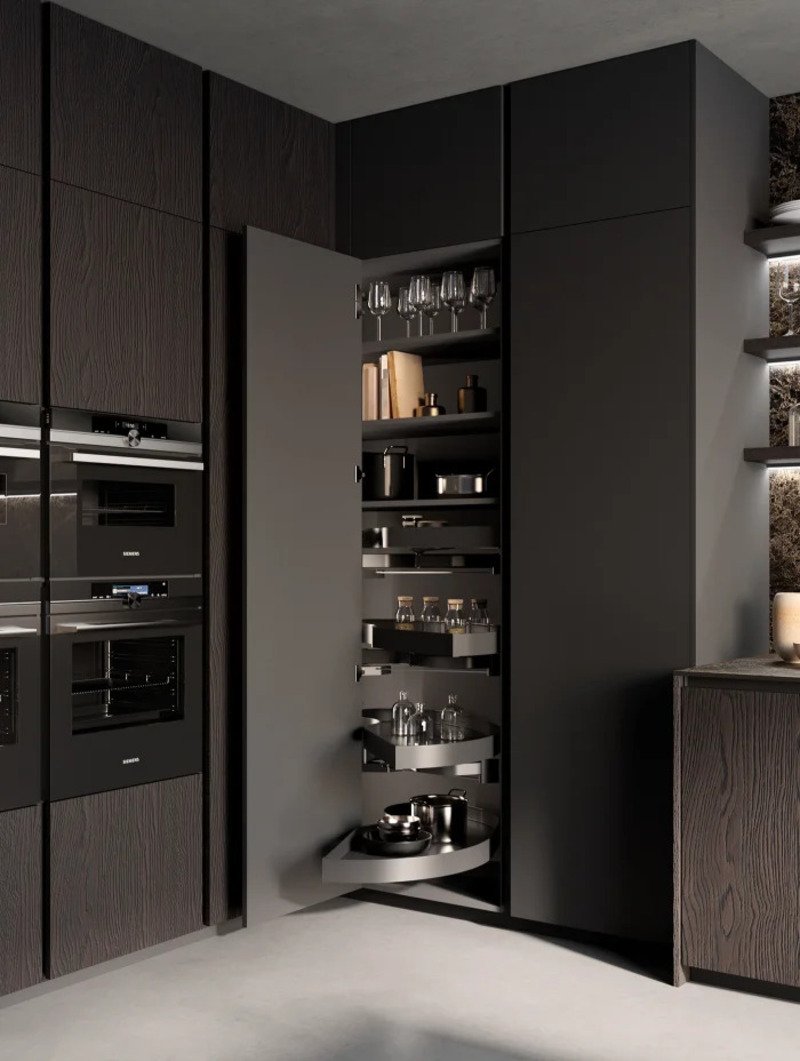
Choosing a new cooking space for your home is a major decision for any family. Many homeowners struggle to find the right manufacturer among hundreds of local carpenters and big brands. Finding a reliable partner requires looking beyond flashy showroom displays. This guide helps you evaluate the best modular kitchen company in India by focusing on core quality standards and material durability. You will learn how to inspect cabinet construction, verify hardware grades, and understand manufacturing warranties.
Designing a modern cooking area involves balancing visual appeal with daily practical utility. When you plan a cooking space renovation, you must evaluate how well different materials handle heat, moisture, and heavy daily wear. Top brands use engineered wood products like BWR plywood or high-density fiberboards that resist swelling. Independent industry data shows that water-resistant core materials prevent up to 80 percent of cabinet warping issues over time. Evaluating these technical specifications protects your investment and ensures long-term structural reliability.
When searching for the best modular kitchen company in India, you must look closely at internal manufacturing capabilities and factory precision. Local workshops often lack automated edge-banding machines, which leads to moisture seepage and peeling laminate edges within a few years. Established manufacturers utilize German and Italian machinery to ensure exact panel cuts and seamless edge sealing. This level of factory precision prevents pest infestations, blocks humidity, and extends the lifespan of your storage units significantly.
Homeowners often feel overwhelmed by endless design choices, hardware options, and cabinet finishes. A structured evaluation framework helps you compare competing proposals objectively rather than relying solely on initial price quotes. The following sections break down essential parameters, material comparisons, and quality checkpoints to guide your buying journey.
Key Quality Parameters for Modular Kitchens
Evaluating manufacturing quality requires inspecting raw materials, panel thickness, and protective surface treatments. Premium brands maintain strict quality control across every production stage to ensure maximum durability.
Core Material Standards
The inner structure of your cabinets forms the backbone of your entire cooking space. Selecting the correct plywood grade prevents structural sagging under heavy granite countertops and daily storage loads.
BWR Plywood: Boiling Water Resistant plywood offers superior moisture protection for sink base units.
HDF-RU Boards: High-Density Fiberboard with Routing Utility provides a smooth surface for painted cabinet finishes.
Particle Board: Economical option best suited for dry wall units rather than heavy floor cabinets.
Hardware and Accessory Durability
Smooth movement and long-lasting functionality depend entirely on the hinges, tandem drawers, and lift-up systems you choose. High-quality hardware ensures silent closing and prevents drawer misalignment after years of use.
Soft-Close Hinges: Prevent slamming and reduce stress on cabinet side panels.
Steel Tandem Boxes: Support heavy pots and pans without bending or friction.
Wire Baskets: Store utensils securely with rust-resistant chrome or stainless steel finishes.
Comparing Kitchen Layouts and Ergonomics
An efficient cooking space follows the classic work triangle rule linking the sink, refrigerator, and cooktop. Good layout planning reduces unnecessary movement and enhances safety for everyone in the house.
Surface Finishes and Aesthetic Choices
The outer finish dictates how easy your cabinets are to clean and how well they reflect light. Different finishes offer varying levels of scratch resistance and gloss levels.
Acrylic Finish: Provides a mirror-like high gloss look that brightens dark rooms and cleans easily.
Laminate Finish: Offers high durability and impact resistance against daily knocks and scratches.
PU Paint Finish: Delivers a seamless matte or glossy texture with endless color customization options.
Veneer Finish: Brings natural wood grain warmth to contemporary and traditional interior themes.
Common Mistakes to Avoid During Planning
Homeowners frequently make costly errors by prioritizing visual trends over functional ergonomics and material durability. Avoiding these pitfalls saves time, money, and frustration during installation.
Ignoring Sink Placement: Placing the sink too far from the refrigerator disrupts the natural food preparation workflow.
Neglecting Ventilation: Choosing a weak chimney hood leads to grease buildup on upper cabinet surfaces.
Overlooking Countertop Height: Failing to customize counter height based on family members causes back strain.
Skipping Lighting Plans: Relying on a single ceiling light creates shadows over primary chopping zones.
Evaluating Total Project Costs and Value
Budgeting for a new culinary space requires looking beyond basic cabinet estimates to include hardware, countertops, appliances, and installation fees. Transparent suppliers provide itemized quotations that break down every component clearly.
Understanding Price Variations
Material selection accounts for nearly half of your total project expenditure. Premium hardware brands and specialized countertop stones add to the final investment but guarantee lasting performance.
Cabinet Core: Higher grade plywood increases initial cost but reduces replacement risks.
Hardware Tier: Branded soft-close mechanisms cost more than local alternatives but offer lifetime durability.
Installation Fees: Certified technicians ensure proper alignment and prevent future operational issues.
To manage your investment effectively, understanding the broader market pricing trends and model kitchen price ranges helps you align your budget with realistic expectations for custom cabinetry.
Conclusion
Selecting the right manufacturing partner transforms your cooking area into a durable, functional, and beautiful part of your home. Focus on certified core materials, precision factory construction, and robust hardware warranties rather than superficial discounts. Evaluating these critical quality factors protects your investment for decades to come. Novella Kitchens delivers expert craftsmanship, transparent guidance, and customized designs tailored to your lifestyle needs. Explore our collection today to discuss your project requirements and discover competitive model kitchen price options.
Frequently Asked Questions
- How long does a standard modular kitchen installation take?
Complete installation typically takes between three to five days once factory production finishes. Total project timelines from initial design approval to final handover range from four to six weeks depending on custom finish requirements.
- Are modular kitchens resistant to water damage?
Water resistance depends entirely on the core material and edge-banding quality. Using BWR plywood combined with polyurethane edge sealing prevents moisture absorption and protects cabinets from swelling near wet zones.
- Can I dismantle and reinstall my modular kitchen?
Yes, modular units use knockdown fasteners that allow safe dismantling and reassembly. This flexibility makes moving your setup to a new home much easier than traditional fixed carpentry work.
- What is the ideal countertop height for Indian cooking?
Standard countertop height ranges between 32 and 36 inches based on the primary cook's height. Proper ergonomic sizing prevents shoulder fatigue and back strain during long cooking sessions.
- How do I maintain high-gloss acrylic cabinet surfaces?
Clean acrylic surfaces regularly using a soft microfiber cloth dampened with mild soapy water. Avoid abrasive scouring pads, harsh chemical solvents, or ammonia-based cleaners that can dull the glossy finish.