How Infrastructure Renewal and Smart Technology Are Reshaping Water Pump Demand in the US
By kyle 21-10-2026 1
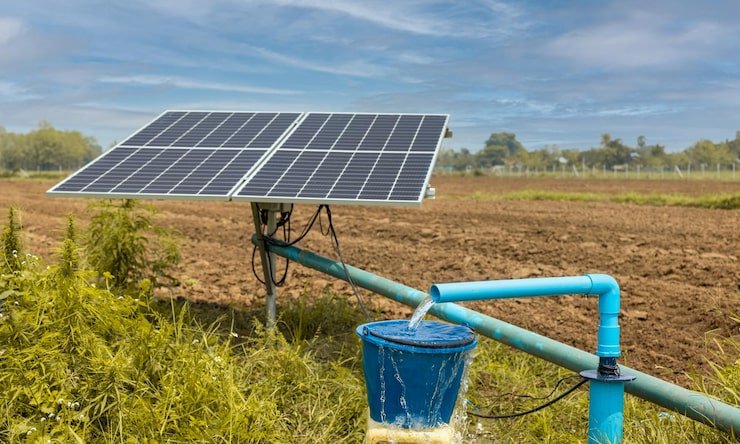
Water infrastructure across the United States is entering a sustained period of modernization. Aging drinking-water networks, wastewater treatment requirements, agricultural irrigation, industrial activity, and increasing attention to energy efficiency are influencing demand for pumping equipment. At the same time, connected technologies are changing how pumps are monitored and maintained, creating a transition from conventional equipment toward more efficient and digitally managed pumping systems.
According to the US market report published by Markntel Advisor, the sector was valued at USD 8.98 billion in 2025 and is projected to reach USD 11.05 billion by 2032, expanding at a CAGR of 2.62% during 2026–2032. The study identifies government infrastructure investment, water and wastewater requirements, agricultural irrigation, industrial applications, and the adoption of IoT-enabled pumping systems as important influences on market development.
Aging Infrastructure Creates Replacement Demand
Aging infrastructure is one of the most important structural factors affecting the US water pump sector. Drinking-water systems, wastewater facilities, pipelines, storage assets, and treatment infrastructure require continuous maintenance and replacement as equipment reaches the end of its service life.
The US Environmental Protection Agency’s latest drinking-water infrastructure assessment estimates that public water systems will require approximately USD 625 billion over the next 20 years for infrastructure needs, including pipe replacement, treatment upgrades, storage, and source infrastructure. The EPA drinking-water infrastructure assessment demonstrates the scale of investment required to maintain reliable water services.
For pump manufacturers and operators, infrastructure renewal creates requirements across water intake, transmission, distribution, treatment, and wastewater systems. Replacement programs can also provide opportunities to introduce more efficient equipment rather than maintaining older pump configurations.
Water and Wastewater Remain Major Applications
Water and wastewater represent the leading end-use category in the US sector. According to the study, the segment accounted for nearly 35% of the market in 2026. Pumps are essential across municipal water supply, wastewater collection, treatment processes, sludge handling, and water distribution.
Federal financing is supporting infrastructure modernization across communities. The EPA continues to provide funding through programs such as the Water Infrastructure Finance and Innovation Act and State Revolving Funds, supporting projects involving treatment plants, pipelines, water reuse, and system rehabilitation.
This funding environment can support demand for high-capacity pumping systems while also encouraging utilities to consider energy efficiency, reliability, and digital monitoring when replacing older equipment.
Government Investment Supports Modernization
Public investment is providing an important foundation for water infrastructure development. Federal programs are directing capital toward drinking-water and wastewater systems, including projects designed to improve resilience and address aging infrastructure.
Such programs can create demand for pumps used in treatment plants, water conveyance, stormwater management, reuse systems, and municipal distribution networks.
Agriculture and Irrigation Provide a Growth Opportunity
Agriculture and irrigation represent another important application area. The study projects this segment to grow at a CAGR of 4.63% during 2026–2032, making it the fastest-growing end-user category identified in the report.
Irrigation systems rely on pumps for groundwater extraction, water transfer, pressurization, and field distribution. The importance of pumping equipment can be particularly pronounced in water-stressed agricultural regions where operators need to maintain reliable supplies while improving water-use efficiency.
Modern irrigation is also increasingly connected with precision agriculture. Automated controls, sensors, and data-based irrigation scheduling can allow pumping systems to operate according to actual crop and field requirements. This can reduce unnecessary water movement and support more efficient use of electricity.
Energy Efficiency Is Influencing Pump Selection
Energy consumption remains an important consideration because pumping can represent a significant operating expense for municipal and industrial facilities. Operators are therefore increasingly evaluating pumps according to lifecycle costs rather than initial purchase price alone.
Variable-frequency drives can help regulate pump speed according to changing system requirements. This approach can be particularly relevant for facilities where flow and pressure conditions vary throughout the day.
IoT Is Changing Pump Maintenance
Digitalization is becoming another defining trend. The study identifies growing adoption of IoT-enabled and intelligent pump systems across municipal utilities and industrial facilities.
Connected pumps can combine sensors, communications systems, and analytics to provide real-time information about equipment performance. Operators can use this information to monitor pressure, flow, vibration, temperature, and other operating conditions.
Predictive maintenance can also help identify abnormal performance before a failure occurs. This approach can reduce unplanned downtime and support more targeted maintenance schedules. For utilities managing large networks, remote monitoring can be particularly valuable because equipment may be distributed across geographically separated facilities.
Centrifugal Pumps Maintain a Leading Position
Centrifugal pumps accounted for approximately 72% of the US water pump sector by product type in 2026, according to the study. Their broad use across municipal water systems, wastewater facilities, agriculture, and industrial applications supports their leading position.
Different centrifugal configurations serve different operating requirements. Split-case, vertical, overhung, and submersible pumps can be selected according to flow, pressure, installation conditions, and application requirements.
Positive displacement pumps represent a smaller portion of the sector but remain important for specialized applications where controlled flow, pressure handling, or particular fluid characteristics require a different pumping mechanism.
Data Centers Add a New Demand Channel
The expansion of data center infrastructure is creating another potential application area for water pumps. Large facilities can use water-based cooling infrastructure, including chilled-water loops and cooling towers, requiring pumping systems to circulate and manage water throughout thermal-management systems.
The study identifies rapid data center development as an emerging demand opportunity, particularly as the United States continues to expand digital infrastructure. This creates an additional connection between technology-sector investment and pumping requirements beyond conventional municipal and industrial applications.
Outlook for the US Water Pump Sector
The US water pump sector is being shaped by infrastructure renewal, public investment, agricultural requirements, industrial activity, and digitalization. Water and wastewater remain the largest application base, while irrigation is positioned as a faster-growing segment.
At the same time, energy efficiency and connected technologies are changing equipment selection and maintenance practices. The combination of aging infrastructure and modernization investment means future demand is likely to emphasize not only pumping capacity but also efficiency, reliability, remote monitoring, and compatibility with increasingly intelligent water-management systems.
Tags : water pump