Industrial engines generate vibration as part of normal operation, and some vibration is unavoidable during the operation of the machinery. Too much vibration will transmit through the machine itself and the supporting structure, causing noise and strain on the equipment.
This is where vibration isolation becomes crucial. Appropriate selection of industrial engine vibration mounts will help provide controlled attachment between the engine and its supporting structure, thus reducing the transmission of vibrations from the machine.
This blog will provide information on industrial engine vibration mounts.
What Are Industrial Engine Vibration Mounts?
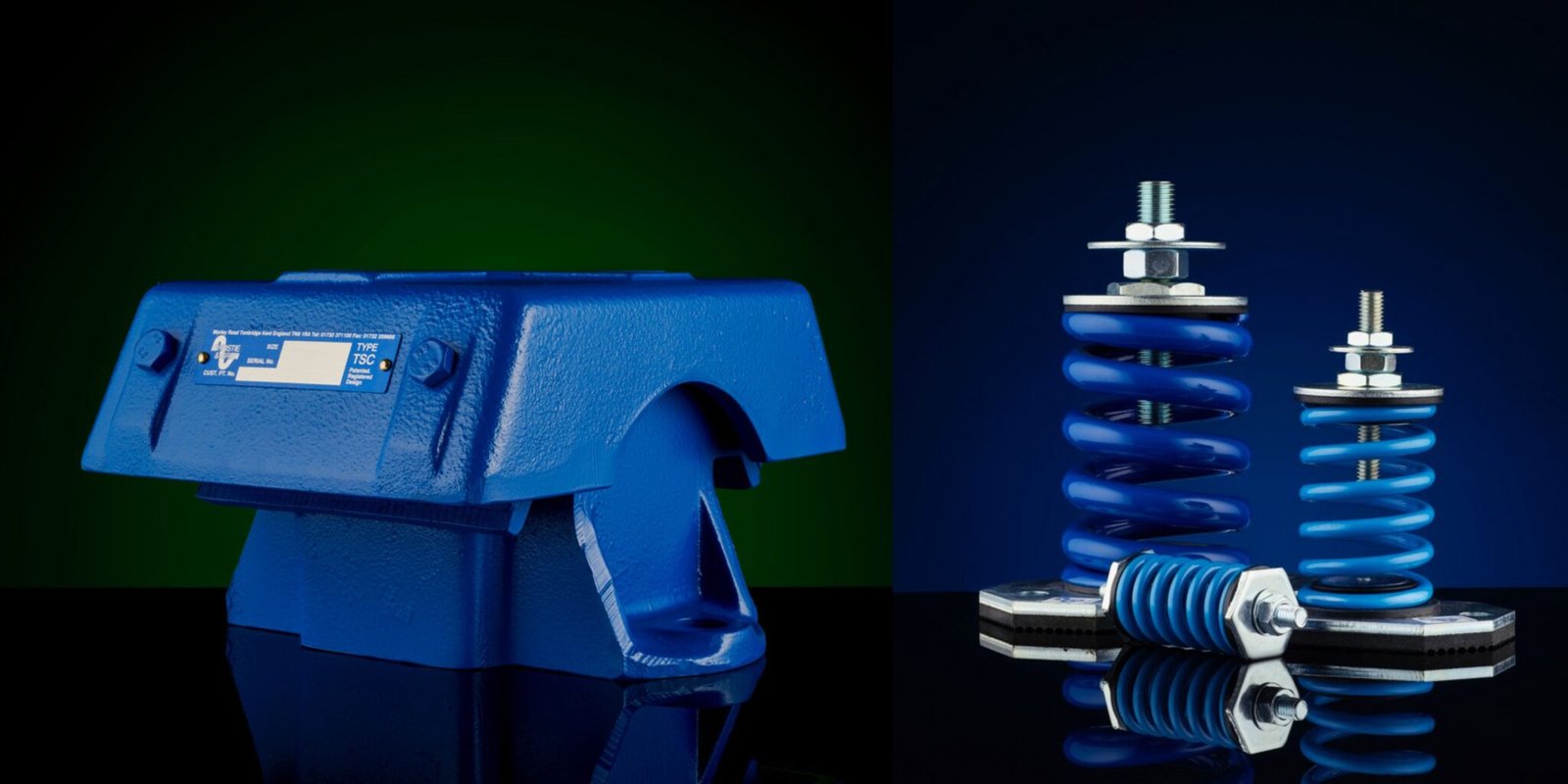
Industrial vibration engine mounts are made to support an engine while reducing vibrations that pass through from the engine to the mounting equipment. Mounts vary depending on application, using rubber, springs, or any other form of material that provides the necessary level of support and flexibility.
Mount selection will depend on various factors such as engine weight, engine load distribution, operating speed, mounting arrangement, and nature of vibrations created. An overly stiff mount will increase vibrations transmitted, while an overly flexible mount will cause excessive movement.
How Do Vibration Mounts Reduce Engine Vibration?
The vibration mount functions by placing an isolating component between the vibrating engine and the support structure itself. Rather than allowing engine-generated forces to pass directly into the frame, the mount absorbs and controls a proportion of this movement.
One important consideration is the relationship between the mount's natural frequency and the operating frequency of the equipment. The mounting system usually requires a lower natural frequency than that of the machine frequency for efficient isolation of vibrations, minimising the energy that is transferred into the structure.
Also, adequate stability should be provided by the mount. The deflection properties of the mount need to match those of the engine load and its working conditions. Where the engine experiences motion or dynamic loads, special provisions could be included in the mount design.
Key Benefits of Industrial Engine Vibration Mounts
Correctly specified industrial engine vibration mounts can provide several practical benefits, including:
- Reduced vibration transmission: The vibration transmitted to the frame, foundation, and surrounding machines is reduced.
- Lower noise propagation: Controlling vibrations in the structure will be helpful in controlling noise produced in the structure.
- Improved equipment reliability: By preventing movement, stress on equipment and connecting parts is reduced.
- Better operating conditions: A more stable installation can support smoother and more reliable equipment operation.
All of the above-mentioned benefits will be gained by using the right mounting system for the equipment.
Factors to Consider When Selecting Vibration Mounts
Selection of a proper mount should not just involve compatibility in size. Consideration of the weight and its distribution among the mounts should come first.
Running speed is another significant consideration, as different frequency levels affect vibration characteristics.
Mount stiffness and expected deflection and isolation properties must thus be compatible with the range of operation of the engine.
Environmental conditions, such as temperature, oil contamination, humidity, chemicals, among others, may also impact the mount and its lifespan. Mounting space and its fixation method should be taken into account, too.
Technical evaluation can help determine which mounting configuration should be used when more rigorous conditions are encountered.
Installation and Maintenance Tips
Correct installation is essential if vibration mounts are to perform as intended.
- Ensure the mount is correctly sized for the equipment. Check the equipment weight, load distribution, and mounting configuration before installation.
- Follow the manufacturer’s installation specifications. Correct fixing, alignment and installation procedures help the mounting system achieve its intended performance.
- Inspect mounts regularly for cracks, deformation, corrosion, or deterioration. Changes in mount condition can affect both isolation and equipment stability.
- Replace damaged or worn mounts promptly. Continuing to operate with degraded mounts can increase vibration and place additional stress on connected components.
- Check alignment and mounting hardware as part of routine maintenance. Loose fixings or changes in alignment can affect the overall mounting system.
Flexible connections may also be required where services connect to isolated equipment, allowing movement without creating another path for vibration transmission.
Why Proper Vibration Isolation Matters
Vibration isolation is not only about reducing noise in an engine. This is about regulating the force generated during the process and ensuring that unnecessary vibration does not spread throughout the entire system.
A properly engineered vibration isolation system can assist in protecting the supporting structure, attached machinery, and mounting elements, thereby improving the reliability of the operation. It can even help minimise vibration-related maintenance issues.
This explains why vibration isolation should be taken into account right from the design, installation, and maintenance stages.
Conclusion
Industrial engines naturally produce vibration, but that vibration does not need to be transferred unchecked into the surrounding structure. If appropriately chosen, vibration mounts can ensure an effective interface between the engine and its mount.
Choosing the right industrial engine vibration mounts depends on factors such as the load of the equipment, frequency of operation, mount features, installation conditions, and the surroundings. Appropriately chosen and properly maintained vibration mounts of industrial engines can serve as an important means of support to the equipment.