How Custom Fitness Wear Manufacturers Help Brands Build Better Activewear Collections
By John 19-10-2026 3
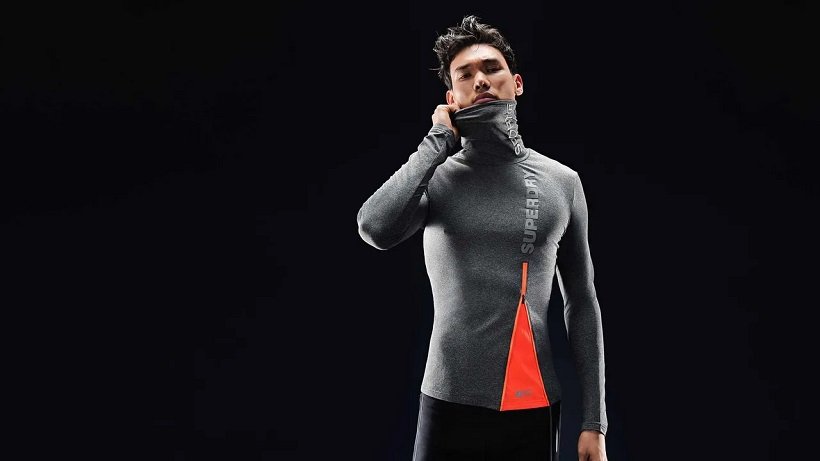
Fitness apparel has become an important part of both performance clothing and everyday fashion. Customers now expect activewear to provide comfort, stretch, support, durability, and a clean appearance. Therefore, brands cannot rely only on attractive designs. They also need to consider fabric performance, garment construction, sizing, fit, and quality control.
A fitness wear collection may include leggings, sports bras, gym tops, shorts, hoodies, compression pieces, and training sets. Because each product serves a different purpose, the same material and construction method should not be used for every garment.
For brands selling across the United States, custom manufacturing can provide greater control over these details. It can also help create a more consistent identity through custom colors, labels, logos, patterns, packaging, and sizing.
However, successful production begins long before bulk manufacturing. Fabric selection, sampling, measurement development, stitching, branding, and testing all affect the final product.
Key Takeaways
- Fitness wear should combine stretch, comfort, durability, fit, and fabric recovery.
- Custom manufacturing gives brands more control over sizing, fabric, colors, labels, and construction.
- Sampling and quality checks before bulk production can reduce problems with fit, seams, printing, and fabric performance.
Why Custom Fitness Wear Production Matters
Working with experienced custom fitness wear manufacturers allows brands to develop products according to their own specifications instead of relying only on ready-made garments. This can include control over fabric weight, stretch percentage, garment measurements, waistband construction, colorways, logos, labels, and packaging. Custom production is especially useful when a brand wants to build a recognizable activewear identity. For example, leggings, sports bras, crop tops, and gym shorts can share the same colors, trims, and branding while still using different construction methods. Therefore, a coordinated manufacturing process can help create collections that feel connected without forcing every garment to use the same design.
Start With the Intended Activity
Fitness clothing should be designed around how it will be used. A yoga legging has different requirements from a high-impact training short. Likewise, a sports bra needs different support and construction than a lightweight gym top. Therefore, brands should first define the activity.
Gym Training
Gym clothing should allow a wide range of movement. Squats, lunges, lifting, stretching, and cardio can place stress on seams and fabrics. Therefore, garments need enough stretch and recovery.
Running
Running apparel often needs lightweight materials and good moisture management. The garment should also avoid unnecessary bulk.
Yoga and Studio Wear
Yoga clothing usually benefits from soft, flexible fabrics. Comfort becomes especially important because the body moves through extended positions.
Lifestyle Activewear
Some customers wear activewear outside the gym. Therefore, appearance, fabric feel, and styling can become just as important as performance.
Fabric Selection Shapes the Final Product
Fabric is one of the most important choices in fitness wear manufacturing. The right material can improve comfort and movement. However, the wrong fabric may stretch poorly, become transparent, lose shape, or feel uncomfortable.
Important fabric factors include:
Therefore, fabric should be tested according to the product instead of selected only by appearance.
Understanding Stretch and Recovery
Stretch and recovery are especially important in fitness apparel. A fabric may stretch well but still perform poorly if it does not return to its original shape. This can lead to loose knees, stretched waistbands, or sagging after use. Therefore, brands should consider both how far the material stretches and how well it recovers.
Four-Way Stretch
Four-way stretch materials can move in multiple directions. This can help support activities that involve bending, twisting, and stretching. Such fabrics are often useful for leggings, compression garments, and fitted gym clothing.
Two-Way Stretch
Two-way stretch may suit products that need less movement. However, the direction of stretch should match the garment pattern. Therefore, fabric orientation during cutting also matters.
Fabric Weight Affects Support and Comfort
Fabric weight is commonly measured in GSM. Lower GSM materials usually feel lighter. Meanwhile, higher GSM fabrics tend to feel more substantial. For fitness apparel, the right weight depends on the garment.
Lightweight Fabrics
Light materials may work well for gym tops, running shirts, and breathable training pieces. However, very thin fabric may not provide enough coverage for fitted garments.
Midweight Fabrics
Midweight materials can offer a balance between support and comfort. They may work well for leggings, shorts, and certain sports bras.
Heavyweight Fabrics
Heavier materials can provide more compression and structure. However, they may also feel warmer. Therefore, brands should balance support with comfort.
Leggings Require Careful Development
Leggings are one of the most common activewear products. However, producing a good pair requires careful attention to fabric, waistband construction, seams, stretch, and opacity.
Waistband Design
The waistband should remain secure during movement. A waistband that rolls, slips, or feels too tight can affect comfort. Brands may choose high-rise, mid-rise, or other waistband styles.
Seam Placement
Seams should support the garment without causing irritation. Flatlock stitching may be used in some performance designs to create smoother seam areas.
Opacity
Leggings should maintain adequate coverage during stretching. Therefore, fabrics should be tested while the garment is worn and stretched. This is especially important for squat movements.
Fit Should Be Tested During Movement
A fitness garment should not be judged only while standing. Instead, it should be tested during movement. A sample may appear correct on a mannequin but feel restrictive during squats or stretching. Therefore, fit testing should include the movements associated with the intended activity.
Important areas to check include:
Waistband stability
Hip movement
Knee stretch
Shoulder mobility
Armhole comfort
Garment length
Compression level
These checks can reveal problems before bulk production begins.
Sports Bras Need Different Support Levels
Sports bras should be designed according to activity level. Not every sports bra needs the same level of support.
Low-Support Designs
Low-support sports bras may suit yoga, stretching, and light activity. They can focus more on comfort and flexibility.
Medium-Support Designs
Medium-support products may work for general gym training and cycling. They need a balance between comfort and stability.
High-Support Designs
High-impact activities may require stronger construction. Therefore, straps, underband design, fabric, and overall fit need more attention.
Sampling Helps Reduce Production Problems
Sampling is one of the most important steps in custom fitness wear manufacturing. A sample allows brands to review the actual product before committing to larger quantities.
A sample can help check:
- Fabric feel
- Stretch
- Recovery
- Fit
- Waistband construction
- Seam placement
- Logo size
- Color appearance
- Garment measurements
If changes are needed, they can be made before bulk production begins. This can help reduce costly mistakes.
Size Charts Should Use Real Measurements
General labels such as small, medium, and large are not enough for custom manufacturing. Different brands use different sizing systems. Therefore, measurement charts should define actual garment dimensions.
For leggings, measurements may include:
- Waist
- Hip
- Inseam
- Rise
- Thigh
- Leg opening
For tops, measurements may include chest width, body length, shoulder width, and sleeve length. Clear specifications make it easier to produce consistent sizing.
Bulk Legging Production Requires Consistency
Brands ordering bulk leggings need consistency across every piece. Fabric stretch, waistband measurements, stitching, colors, logo placement, and size grading should remain as close as possible to the approved sample. Bulk production also requires careful quantity planning. Brands should consider how many pieces they need in each size and color. For example, ordering equal quantities of every size may not match actual customer demand. Therefore, previous sales data or market research can help create a more practical size breakdown.
Printing and Branding Should Match the Fabric
Fitness wear often includes logos, patterns, and custom graphics. However, decoration methods should match the fabric.
Sublimation Printing
Sublimation can work well on compatible polyester fabrics. It can support detailed patterns and large graphics without creating a heavy surface layer.
Screen Printing
Screen printing can work for simple logos and bold graphics. However, ink should remain flexible enough for stretch fabrics.
Heat Transfer
Heat transfer can be useful for logos and smaller branding elements. The transfer material should be suitable for stretch and repeated washing.
Embroidery
Embroidery may work well on hoodies, jackets, and heavier fitness garments. However, it may not suit very stretchy or lightweight products.
Private Labels Build a Stronger Brand Identity
Fitness brands often want their products to feel completely their own. Therefore, private-label details can become an important part of production.
Neck Labels
Custom neck labels can display the brand name and size.
Care Labels
Care labels can include fabric composition and washing instructions.
Hangtags
Hangtags can communicate product information, size, pricing, or brand messaging.
Packaging
Custom packaging can improve presentation and create a more professional customer experience. These details should be planned during development rather than added at the last minute.
Quality Control Should Happen Throughout Production
Quality control should not begin only after the garments are finished. Instead, checks should take place at several stages.
Fabric Inspection
Fabric can be checked for defects, color variation, and damage before cutting.
Cutting Accuracy
Pattern pieces should match the approved measurements.
Stitching Checks
Seams should remain strong and consistent.
Measurement Checks
Finished garments should be compared with the approved size chart.
Branding Review
Logos, prints, labels, and graphics should appear in the correct position.
Final Inspection
Each item should receive a final visual check before packing. This process can improve consistency across the order.
Low MOQ Production Can Help New Fitness Brands
New brands may not want to order thousands of pieces immediately. Therefore, lower minimum order quantities can provide more flexibility.
A smaller run allows brands to test:
- New designs
- Customer demand
- Colors
- Sizes
- Fabric choices
- Pricing
If the product performs well, larger production can follow. However, small orders still require proper specifications and quality control.
Building a Complete Fitness Wear Collection
A complete fitness collection can include several product categories.
Leggings
Leggings may vary in rise, compression, length, and fabric weight.
Sports Bras
Sports bras can provide different support levels.
Gym Tops
T-shirts, tank tops, crop tops, and long-sleeve tops can add variety.
Shorts
Gym shorts can use lightweight or stretch fabrics depending on the activity.
Hoodies and Jackets
These products can help complete a lifestyle or warm-up range. Planning all these products together can improve color and branding consistency.
Clear Communication Makes Production Easier
Manufacturers need clear instructions. Terms such as "premium," "soft," or "compression fit" can mean different things to different people. Therefore, measurable specifications are more useful.
A production brief may include:
- Fabric composition
- GSM
- Stretch percentage
- Measurements
- Quantity
- Size breakdown
- Colors
- Artwork
- Label requirements
- Packaging
Clear information can reduce misunderstandings and improve sampling.
Long-Term Consistency Supports Brand Growth
A successful fitness wear product may need to be reordered later. Therefore, brands should keep approved specifications on record.
This can include:
- Size charts
- Fabric details
- Color references
- Artwork files
- Label dimensions
- Packaging requirements
Keeping these details organized can make repeat orders easier. It can also help brands maintain consistency as their collection grows.
Final Thoughts
Fitness wear manufacturing combines fabric performance, fit, stretch, support, construction, and branding. Therefore, successful activewear development should begin with clear product requirements. The fabric should match the intended activity. Patterns should support movement. Leggings need secure waistbands and good opacity. Sports bras need suitable support, while tops and shorts should balance comfort with performance. Sampling can help brands identify problems before bulk production. Meanwhile, clear sizing, decoration methods, and quality control can improve consistency. When these areas are planned carefully, fitness brands can build collections that look professional, perform well, and provide a stronger foundation for future product growth.