Yoga in Brisbane: Understanding the Difference Between Traditional Practice and Modern Studio Interpretations
By Jane Rochstad 03-06-2026 80
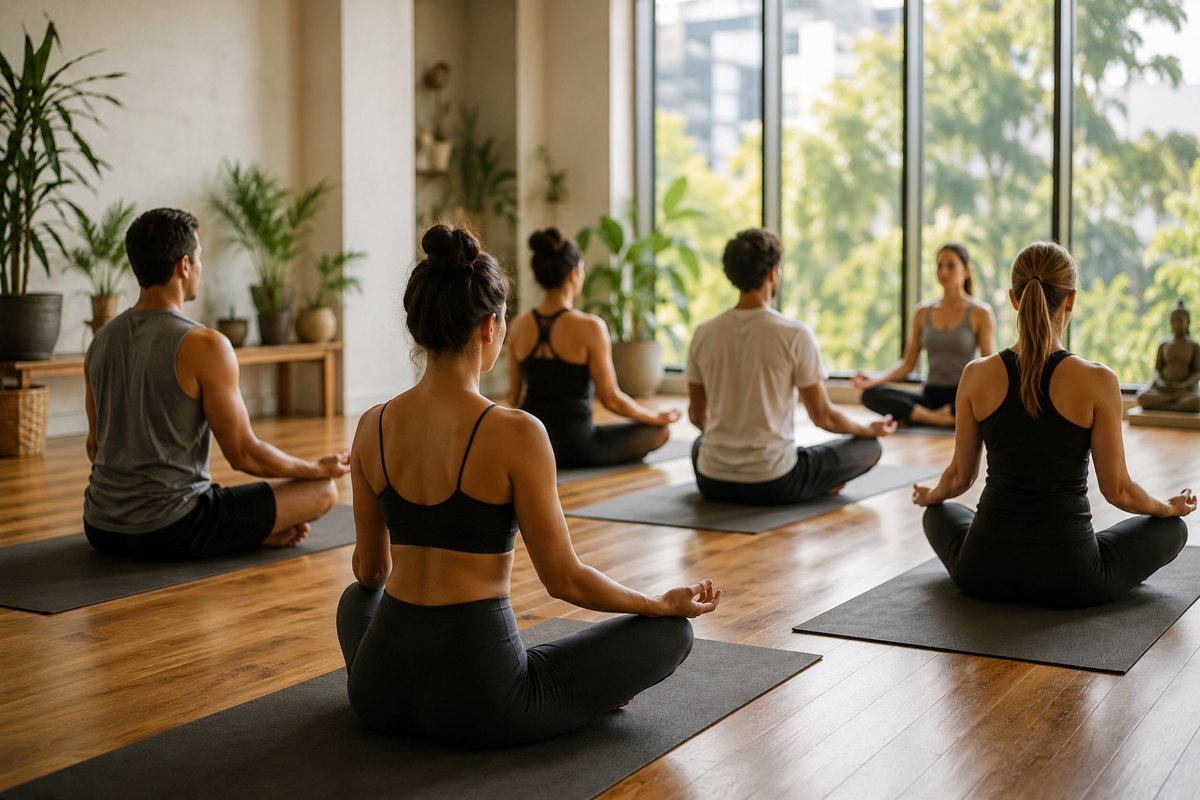
Yoga in Brisbane has evolved into a diverse and fast-growing landscape, offering everything from fast-paced fitness classes in boutique studios to deeply structured traditional practices rooted in ancient lineages. For newcomers and even long-time practitioners, this variety can be both exciting and confusing. While all styles are marketed under the same umbrella term—“yoga”—the actual experience can differ significantly depending on the studio, teaching method, and underlying philosophy.
For anyone exploring Yoga in Brisbane, understanding these differences is essential not only for making an informed choice but also for aligning expectations with the kind of physical, mental, and emotional experience they hope to gain.
The Expanding Landscape of Yoga in Brisbane
Over the past decade, Yoga in Brisbane has shifted from being a niche wellness activity to a mainstream lifestyle choice. Studios now exist across suburbs, offering a wide range of classes catering to beginners, athletes, office workers, and long-time practitioners.
This expansion has created two broad interpretations of yoga practice:
- Traditional, method-based yoga systems that emphasize structure, repetition, and gradual progression
- Modern studio interpretations that focus more on accessibility, fitness, and variety
Neither approach is inherently better, but they serve different needs. The challenge for students is identifying which style aligns with their personal goals.
Many people begin their journey influenced by social media, studio branding, or convenience. However, the real depth of Yoga in Brisbane becomes clearer only after understanding what lies beneath the surface of different teaching styles.
What Defines Traditional Yoga Practice
Traditional yoga is not simply a workout routine—it is a structured system of learning that has been passed down through generations. It emphasizes consistency, discipline, and internal awareness rather than constant variation or novelty.
Roots in Structure and Lineage
At its core, traditional yoga is built around a fixed sequence or methodology. Students are guided through a progressive system where each stage prepares the body and mind for the next. Unlike modern classes that may change weekly, traditional practice relies on repetition as a tool for mastery.
This approach encourages practitioners to develop awareness over time rather than seeking immediate physical results.
Key Characteristics Seen in Traditional Yoga in Brisbane
In the context of Yoga in Brisbane, traditional studios tend to share several defining features:
- A consistent sequence practiced repeatedly
- Strong emphasis on breath (pranayama) and internal focus
- Teacher-guided progression tailored to individual development
- Long-term practice goals rather than short-term fitness outcomes
This approach can feel slower at first, but many practitioners find it deeply grounding as they begin to notice subtle improvements in strength, flexibility, and mental clarity.
A good example of this structured approach can be seen in traditional Ashtanga yoga classes, where the method follows a clearly defined sequence that remains consistent over time. This allows students to focus less on learning new movements and more on refining their practice.
Modern Studio Interpretations of Yoga in Brisbane
Alongside traditional systems, modern Yoga in Brisbane studios have developed their own interpretation of practice, often shaped by contemporary wellness culture and fitness trends.
A More Flexible and Fitness-Oriented Approach
Modern yoga classes often vary from week to week, incorporating different flows, poses, and themes. This approach is designed to keep classes engaging and accessible, especially for beginners who may be intimidated by structured repetition.
Common features include:
- Dynamic flow sequences that change regularly
- Music-enhanced environments
- Strong emphasis on physical fitness and flexibility
- Group-focused instruction rather than individualized correction
For many participants, this makes yoga feel more like a workout session or a stress-relief activity than a long-term discipline.
Accessibility and Popularity
One of the main strengths of modern Yoga in Brisbane studios is accessibility. Classes are often beginner-friendly, requiring no prior experience or knowledge of traditional yoga systems. This openness has contributed significantly to yoga’s popularity across Brisbane.
However, this accessibility can sometimes come at the cost of depth. Without a consistent framework, students may find it harder to track long-term progress or develop deeper technical understanding.
Key Differences Between Traditional and Modern Yoga
Understanding the differences between these two approaches is essential for anyone exploring Yoga in Brisbane.
Structure vs Variety
Traditional yoga is built on repetition. Students practice the same sequence consistently, allowing them to refine alignment, breath control, and mental focus over time. In contrast, modern yoga emphasizes variety, which keeps classes fresh but may limit long-term progression in a single system.
Role of the Teacher
In traditional settings, teachers often work closely with students, offering individual corrections and gradual progression based on readiness. In modern classes, instructors typically guide the group as a whole, with less individualized attention due to class structure and size.
Purpose of Practice
Traditional yoga prioritizes internal awareness, discipline, and gradual transformation. Modern yoga often emphasizes fitness, relaxation, and general well-being. Both outcomes are valuable, but they represent different intentions behind the practice.
Student Experience
In traditional systems, progress is measured over months or years. In modern classes, the experience is often evaluated session by session. This difference can shape how students perceive their development within Yoga in Brisbane.
Why These Differences Matter for Practitioners in Brisbane
As Yoga in Brisbane continues to grow, more students are making choices based on marketing, convenience, or aesthetic appeal rather than teaching methodology. This can sometimes lead to mismatched expectations.
For example, someone seeking deep technical progression may feel limited in a highly varied modern class. On the other hand, someone looking for a relaxed, flexible wellness activity may find traditional systems too structured at first.
Understanding these differences allows practitioners to make more informed decisions about where to invest their time and energy.
Consumer awareness also plays an important role here. Platforms like The Consumers Feedback wellness insights and service comparison guides help individuals evaluate different wellness services more objectively, beyond branding and marketing claims.
Evaluating Yoga Studios in Brisbane as a Consumer
Choosing the right yoga studio in Brisbane involves more than just location or pricing. It requires understanding teaching philosophy and class structure.
Here are a few practical considerations:
- Does the studio follow a consistent system or change classes frequently?
- Are teachers trained in a specific tradition or multiple styles?
- Is there a clear progression path for students?
- How much individual attention is given during class?
Reading reviews and comparing experiences can also provide insight into what a studio actually offers versus how it is marketed. This is where consumer-focused platforms such as The Consumers Feedback become useful in bridging the gap between expectation and reality.
The Value of Traditional Practice in a Modern City
Despite the popularity of modern fitness-oriented yoga, traditional systems continue to thrive in Brisbane for a reason. They offer structure, depth, and continuity in a world that often prioritizes speed and variety.
Practices rooted in tradition encourage patience and long-term development. Rather than constantly chasing new experiences, students are guided to refine familiar movements and observe subtle changes over time.
This approach is particularly relevant in urban environments like Brisbane, where fast-paced lifestyles can make consistency and grounding practices especially valuable.
Conclusion: Making Informed Choices in Yoga in Brisbane
The diversity of Yoga in Brisbane is one of its greatest strengths, but it also requires students to be more mindful in their choices. Understanding the difference between traditional and modern approaches helps practitioners align their expectations with the type of experience they truly want.
Whether someone prefers structured, lineage-based systems or dynamic, fitness-oriented classes, both paths offer meaningful benefits when chosen intentionally.
Ultimately, the most important factor is not the style itself, but how well it supports the individual’s personal goals, lifestyle, and long-term engagement with practice.
Tags : Yoga brisbane