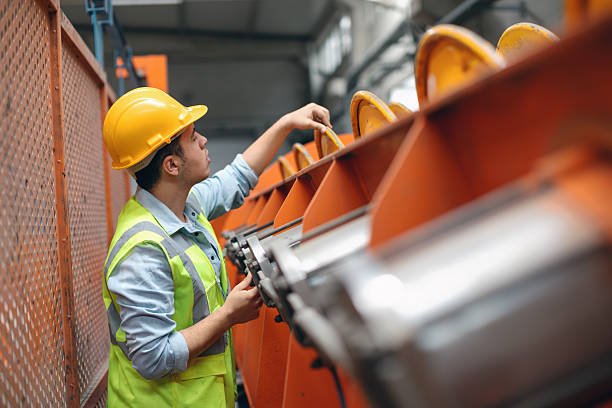
The oil and gas sector in the UAE is one of the most demanding and high-risk industries in the world. From offshore rigs to onshore drilling sites and refineries, workers face extreme temperatures, flammable environments, heavy machinery, and hazardous materials every single day. This is why Workwear Standards for Oil operations are not just guidelines they are life-saving requirements. Companies must ensure that every employee is equipped with protective clothing designed to meet strict regulatory and safety expectations. High-performance fabrics, flame-resistant materials, anti-static properties, and durable stitching are all essential components of compliant uniforms.
In such challenging environments, selecting the right Oil & Gas Industry Workwear is critical to safeguarding personnel and maintaining operational efficiency. UAE-based oil companies follow international safety benchmarks along with local regulatory frameworks to ensure full compliance. By adhering to established Workwear Standards for Oil, organizations not only protect their workforce but also enhance productivity, reduce downtime, and demonstrate a strong commitment to workplace safety. Investing in certified protective clothing is a proactive step toward creating a secure and professional oilfield environment.
Understanding the Importance of Workwear Compliance in the UAE
The UAE is home to some of the largest oil reserves in the Middle East, and its oil and gas sector operates under rigorous safety regulations. Given the presence of flammable gases, volatile liquids, and high-pressure systems, safety is non-negotiable. Workwear Standards for Oil operations are designed to minimize risks such as burns, explosions, chemical exposure, and static discharge.
Compliance is essential for several reasons:
Protection against fire hazards
Prevention of static electricity buildup
Resistance to harsh chemicals
Durability in extreme weather conditions
Visibility in low-light or high-risk zones
Failure to comply with recognized Workwear Standards for Oil can lead to severe accidents, legal penalties, and reputational damage. Therefore, certified workwear plays a critical role in operational safety and corporate responsibility.
Key Safety Standards Followed in the UAE Oil & Gas Industry
Oil and gas companies in the UAE typically align with globally recognized safety standards. These standards define the quality, performance, and durability requirements of protective clothing.
1. Flame-Resistant (FR) Clothing Standards
Flame-resistant clothing is mandatory for workers exposed to flash fire or arc flash risks. FR garments are engineered to self-extinguish when exposed to flames, reducing burn injuries.
Key features include:
Heat-resistant fabric composition
Low shrinkage under high temperatures
Protection against flash fire incidents
2. Anti-Static Protection
Static electricity can ignite flammable gases. Anti-static workwear reduces the buildup of electrical charges and prevents sparks in sensitive environments.
3. High-Visibility Requirements
In oilfields and offshore rigs, visibility is crucial. Reflective strips and bright-colored garments enhance worker visibility, especially during night shifts or low-light conditions.
4. Chemical Resistance
Certain oilfield operations involve handling chemicals. Protective clothing must resist permeation and degradation caused by hazardous substances.
By complying with these requirements, companies ensure adherence to Workwear Standards for Oil environments and maintain workplace integrity.
Essential Components of Oilfield Workwear
To meet strict industrial demands, oil and gas uniforms typically include:
Flame-Resistant Coveralls
Coveralls provide full-body protection and are one of the most commonly used garments in oilfields.
FR Shirts and Trousers
These offer flexibility while maintaining compliance with Workwear Standards for Oil job sites.
Safety Jackets
Insulated and weather-resistant jackets protect workers in offshore or desert conditions.
Protective Accessories
Helmets
Gloves
Safety boots
Goggles
Each element plays a vital role in delivering comprehensive safety coverage.
Fabric Technology Used in Oil & Gas Workwear
Advanced textile technology significantly improves safety performance. High-quality oilfield garments are made from:
Treated cotton blends
Inherently flame-resistant fibers
Moisture-wicking materials
Breathable yet durable fabrics
Modern innovations also focus on lightweight protection without compromising safety. As a result, workers can perform efficiently without discomfort, even in extreme heat conditions typical of the UAE.
Climate Considerations in the UAE
The UAE’s climate presents unique challenges. Temperatures can exceed 45°C during summer months, especially in desert oilfields. Therefore, workwear must provide:
Heat stress management
Sweat absorption
Breathability
UV protection
Maintaining comfort while ensuring compliance with Workwear Standards for Oil sites is essential. Poor-quality uniforms can cause heat exhaustion, dehydration, and reduced productivity.
The Role of Customization and Branding
While safety is the primary focus, companies also prioritize brand identity. Customized uniforms with company logos, color schemes, and role-based distinctions improve professionalism and team coordination.
However, customization must never compromise compliance. Logos and design elements should be applied using flame-resistant threads and approved printing techniques to maintain adherence to Workwear Standards for Oil environments.
Inspection, Maintenance, and Replacement Policies
Providing certified clothing is only part of the safety strategy. Regular inspection and maintenance are equally important.
Best practices include:
Routine garment inspections
Proper laundering procedures
Immediate replacement of damaged gear
Tracking wear and tear cycles
Improper washing can reduce flame-resistant properties. Therefore, companies must follow manufacturer guidelines to maintain garment integrity.
Why Quality Workwear Matters for Operational Efficiency
Beyond compliance, high-quality protective clothing contributes to:
Reduced injury rates
Increased worker confidence
Higher productivity levels
Improved employee morale
When workers feel safe and comfortable, they perform better. Strict adherence to Workwear Standards for Oil operations also demonstrates corporate responsibility and commitment to employee welfare.
Choosing the Right Supplier in the UAE
Selecting a reliable uniform supplier is critical for ensuring compliance and durability. Businesses should evaluate:
Certification standards
Fabric quality
Customization capabilities
Industry experience
After-sales support
Futuremind uniforms specializes in delivering premium protective solutions tailored to the demanding oil and gas sector. By offering garments that meet international benchmarks, they help companies maintain compliance while ensuring worker comfort and safety.
Conclusion:
The oil and gas industry in the UAE operates in one of the most high-risk industrial environments globally. Strict adherence to Workwear Standards for Oil sites is essential to safeguard workers from fire hazards, chemical exposure, and extreme temperatures. From flame-resistant fabrics to anti-static technology and high-visibility enhancements, every element of protective clothing plays a crucial role in accident prevention. Companies that prioritize certified workwear not only comply with regulations but also strengthen operational reliability and workforce confidence.
As safety expectations continue to evolve, investing in high-quality protective garments remains a top priority. Partnering with trusted providers ensures access to durable, certified, and climate-appropriate uniforms that meet industry requirements. By choosing the right protective solutions and maintaining them properly, organizations can uphold the highest standards of safety and professionalism. In a sector where risk is constant, dependable UAE Oilfield Safety Clothing is not just a requirement it is a vital foundation for sustainable success in the oil and gas industry.
Tags : .....