Why Workday Automated Testing Is No Longer Optional for Enterprises Serious About Quality and Speed
By Admin 02-03-2026 218
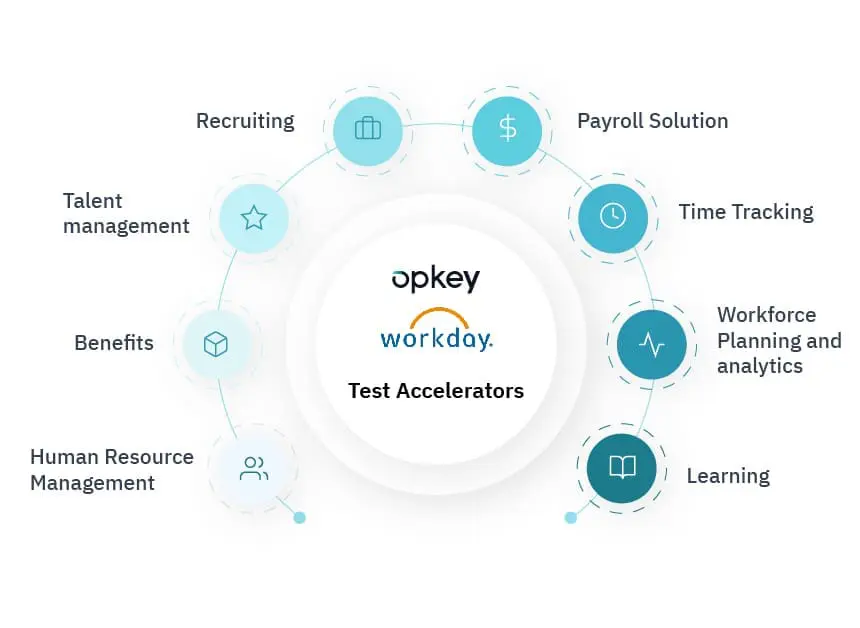
Workday, which handles everything from payroll as well as benefits to financial reporting and personnel planning, has emerged as the operational core of thousands of businesses globally. Every alteration to a business process, release update, or configuration has the potential to interfere with these vital operations. The speed, coverage, and consistency required by contemporary Workday environments are just not achievable with manual testing. Every enterprise technology executive should comprehend, accept, and take immediate action on the essential components of Workday testing automation that are explained in this article.
What Workday Automated Testing Genuinely Means for Enterprise Teams
The process of using programmed, repeating test execution to confirm that Workday configurations, workflows, and integrations function properly following any system modification is known as Workday automated testing. Automated tests, in contrast to manual testing, are reliable and free from bias, human weariness, and oversights. For enterprise teams, this translates into increased confidence prior to changes going into production, quicker validation cycles, and wider process coverage. Skilled testers should not be replaced by automated testing; rather, it should relieve them of tedious tasks so they may concentrate on intricate analytical and exploratory validation tasks.
The Business Processes That Benefit Most from Workday Test Automation
The return on automation investment varies depending on the Workday process. The best argument for automated testing is made for business-critical, high-volume, and frequently performed procedures. Errors in these areas have immediate and substantial business ramifications, making payroll runs, benefits open enrollment, performance evaluation cycles, requisition approvals, and financial journal processing prime candidates. Both the risk of undetected errors and the benefit of identifying those defects early through consistent, dependable automated validation before they impact actual users are increased by processes that are executed repeatedly across sizable employee populations.
How Automated Testing Protects Workday Environments During Release Cycles
Due to Workday's biennial release cycle, testing times are greatly shortened, giving businesses a small window of time to verify hundreds of possible changes across intricate tenant setups. Teams can finish comprehensive process validation in days as opposed to weeks thanks to automated regression suites, which run in a fraction of the time needed for manual testing. When preparing for a release, this speed advantage is revolutionary.
Common Challenges Enterprises Face When Implementing Workday Test Automation
Although Workday automated testing is truly beneficial, there are challenges in putting it into practice. Automated test script maintenance is complicated by Workday's dynamic user interface, frequent release-driven modifications, and tenant-specific configurations. Tests that are constructed with insufficient consideration for stability and reusability soon become difficult to maintain. Complex data management, a lack of experience with cross-functional testing, and inadequate program governance are other obstacles that prevent many automation projects from producing significant benefits.
Building the Right Foundations for a Sustainable Workday Automation Program
Test automation for sustainable Workday needs more than just initial enthusiasm and high-quality technologies. Businesses require leadership sponsorship that endures team changes and conflicting priorities, well-defined test ownership responsibilities, documented maintenance procedures, and unambiguous program governance. The same discipline that is used to produce code must also be applied to test assets: they must be routinely evaluated, updated methodically, and retired when they are no longer needed.
Conclusion
Workday automated testing is not a technical luxury; rather, it is a strategic enterprise competency. Businesses that require speed, precision, and operational resilience can no longer afford to ignore Workday automated testing. It guarantees that crucial processes stay stable with frequent releases and intricate settings, allowing for quicker innovation. Opkey enhances this strategy with no-code features that significantly reduce testing time and effort, 4,000+ pre-built Workday test cases, and agentic AI-driven automation. Opkey helps enterprises lower risk, speed adoption, and achieve Workday ROI more quickly—without interfering with business continuity—by immediately identifying impacted processes, conducting intelligent regression packs, and providing users with role-specific, constantly-updated information.
Tags : Workday testing automation