A construction company’s website is more than an online brochure. It can showcase completed projects, attract potential clients, collect inquiries, publish service information, and establish trust with property owners and developers. However, as websites become increasingly important to business growth, security should receive the same attention as design and marketing.
A compromised website can create serious problems, including downtime, stolen information, damaged search visibility, and lost leads. For construction businesses that depend on a strong online presence, investing in website security is therefore an essential part of digital management.
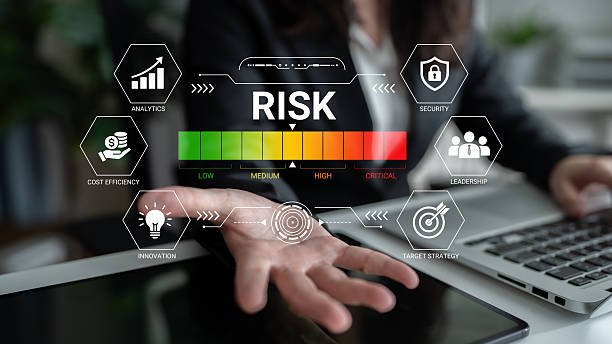
Construction Websites Face Real Security Risks
Construction companies often update their websites with project portfolios, team information, service pages, contact forms, and downloadable resources. Every additional feature can create potential security vulnerabilities if it is not properly maintained.
Common website security risks include outdated plugins, weak passwords, vulnerable themes, malware, unauthorized access, spam submissions, and software vulnerabilities. Hackers can exploit these weaknesses to modify website content, redirect visitors, install malicious code, or disrupt normal operations.
Even a small local contractor can become a target. Automated bots continuously scan websites for vulnerabilities, meaning a business does not need to be a large corporation to experience a security issue.
Website Security Protects Customer Trust
Trust is particularly important in the construction industry. Clients may spend significant amounts of money on remodeling, commercial construction, roofing, electrical work, or other services. Before making contact, they often use a company’s website to evaluate its professionalism.
Imagine a potential customer visiting a construction website and receiving a browser security warning, encountering suspicious pop-ups, or finding broken pages. Even if the underlying business is legitimate, the visitor may question whether the company is trustworthy.
A secure website provides a more reliable experience. SSL protection, secure forms, updated software, and regular monitoring can help demonstrate that a company takes its online presence seriously.
Regular Updates Reduce Vulnerabilities
One of the simplest ways to improve website security is to keep website software updated. Content management systems, plugins, themes, frameworks, and other components frequently receive security patches.
Ignoring these updates can leave known vulnerabilities unresolved. However, updates should be performed carefully because incompatible software can sometimes affect website functionality.
This is where working with a professional website maintenance agency can be valuable. Instead of treating website maintenance as an occasional task, businesses can establish a consistent process for updates, backups, security monitoring, performance checks, and technical troubleshooting.
For construction companies that are focused on projects and customer service, professional website maintenance can provide an additional layer of technical oversight.
Security and SEO Are Connected
Website security is not only about protecting data and visitors. It can also affect a construction company’s visibility in search engines.
Search engines aim to provide users with safe and useful websites. Security problems, malware infections, suspicious redirects, or hacked pages can negatively affect a website’s reputation and user experience.
Technical optimization should therefore consider both search performance and website protection. Technical SEO for construction websites can include areas such as crawlability, indexing, site speed, mobile usability, structured data, redirects, broken links, and secure website implementation.
When technical SEO and security are managed together, construction businesses can build a stronger foundation for long-term organic visibility.
Protect Valuable Website Data
Construction websites can collect valuable information through contact forms, consultation requests, quote forms, newsletter subscriptions, and other interactions. Depending on the form and business model, visitors may provide names, email addresses, phone numbers, project details, and other information.
Businesses should take reasonable steps to protect this information. Secure connections, trusted form solutions, strong authentication, access controls, and regular software updates can reduce unnecessary risks.
Companies should also limit administrative access to people who genuinely need it. Using unique passwords and appropriate user permissions can make unauthorized access more difficult.
Backups Can Help Minimize Downtime
Even with strong preventive measures, no website is completely immune to technical problems. A reliable backup strategy can help a business recover when something goes wrong.
Regular backups should be stored securely and should be tested periodically to ensure they can actually be restored. Depending on the website, businesses may need backups of databases, images, documents, configurations, and website files.
For a construction company, this can be especially important when the website contains years of project photographs, service content, testimonials, landing pages, and other marketing assets.
A backup does not prevent an attack, but it can make recovery considerably more manageable.
Website Security Supports Business Continuity
A construction business may have multiple marketing channels, but its website often serves as a central destination for prospective customers. If the website becomes unavailable, leads may be lost while customers search for alternatives.
Security monitoring can help businesses identify unusual activity and potential issues before they become larger problems. Regular maintenance can also identify outdated components, broken functionality, performance issues, and other technical concerns.
Rather than waiting for a website to fail, construction companies can adopt a proactive approach. Preventive maintenance is generally easier to manage than dealing with an unexpected security incident after it occurs.
Mobile Security and Performance Matter Too
Construction clients increasingly access websites from smartphones while researching contractors, services, and projects. A secure website should also deliver a reliable mobile experience.
Mobile-friendly design, HTTPS, optimized images, fast-loading pages, and properly functioning forms all contribute to a better user experience. These factors can also support broader technical SEO efforts.
For construction companies, this means website security should not be viewed as an isolated technical task. It should be part of a broader strategy that combines usability, performance, search visibility, and ongoing maintenance.
Build a Proactive Website Security Strategy
Construction companies can take several practical steps to strengthen website security:
Keep website software and plugins updated.
Use strong and unique administrative passwords.
Enable appropriate two-factor authentication.
Install and maintain an SSL certificate.
Limit administrative access to authorized users.
Perform regular website and database backups.
Monitor websites for malware and suspicious activity.
Review contact forms and third-party integrations.
Remove unused plugins, themes, and accounts.
Conduct regular technical and performance checks.
These measures can help create a safer and more dependable online presence.
Why Professional Support Makes Sense
Website security requires ongoing attention. A business may successfully secure its website today but face a new vulnerability or compatibility issue several months later.
A professional website maintenance agency can help construction companies establish a recurring maintenance routine. Depending on the service, this may include security updates, backups, monitoring, performance optimization, technical troubleshooting, and website improvements.
This approach allows contractors to focus more of their time on managing projects and serving customers while their website receives consistent technical attention.
Final Thoughts
Website security should be considered a core part of digital strategy for every construction company. A secure website protects the customer experience, supports business continuity, safeguards valuable information, and provides a stronger foundation for search visibility.
When security is combined with regular maintenance and Technical SEO for construction websites, businesses can create an online presence that is safer, faster, easier to manage, and better prepared for long-term growth.
FAQs
1. Why is website security important for construction companies?
Website security helps protect business information, customer data, website content, and online reputation while reducing the risk of downtime and malicious activity.
2. How often should a construction website be maintained?
Website maintenance should be performed regularly rather than only when a problem occurs. Updates, backups, security checks, and performance monitoring can be scheduled according to the website’s needs.
3. Can website security affect SEO?
Yes. Security problems such as malware, malicious redirects, or compromised pages can create a poor experience for visitors and potentially affect search visibility.
4. What does a website maintenance agency typically handle?
Services can include software updates, backups, security monitoring, performance improvements, troubleshooting, content updates, and technical website checks.
5. Is technical SEO important for construction websites?
Yes. Technical SEO can help search engines crawl, understand, and index construction websites while improving usability and website performance.