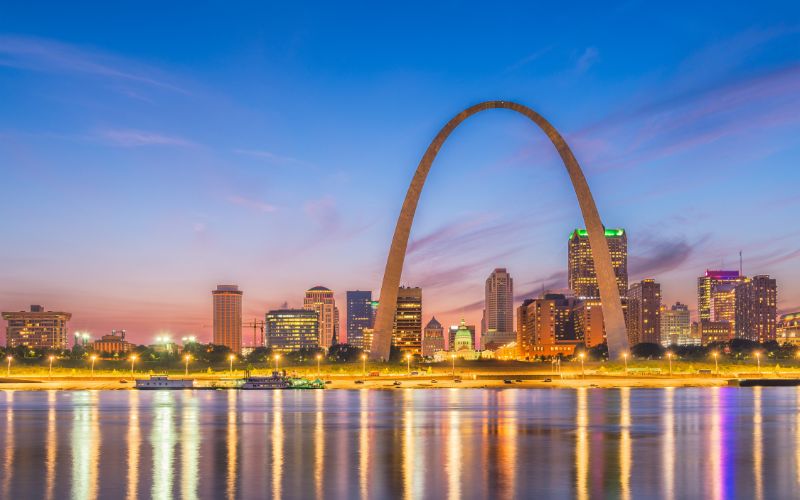
The United States doesn’t win people over with subtlety. It wins with range. You can land in one city and feel like you’ve arrived in a country, then fly two hours and feel like you’ve crossed continents. That scale is the point—and also the trap. If you expect the USA to behave like a single destination, this is where trips often go wrong.
I’ve watched travelers fall in love with one corner and feel confused by another. That’s normal. The USA isn’t about cohesion; it’s about choice. Whether you’re planning independently or considering structured routes like USA west coast tour packages, the country keeps its place near the top of global travel lists because it lets you design the trip you actually want—if you’re honest about what that is.
Scale Is the Headliner (and the Reality Check)
Start with geography. United States is big in a way maps don’t convey. Distances eat time. Time zones matter. Weather changes state by state.
This is why first trips often feel rushed. People try to see “the USA” in two weeks. You can’t. You shouldn’t try. The USA works best when you choose a region and commit to it.
The upside of scale? You get real contrast without leaving the country. Mountains, deserts, coasts, forests, cities that operate on different rhythms—all within one passport stamp.
Cities That Don’t Blend Together
American cities don’t merge into a single style. They argue with each other.
New York City is dense, fast, and unapologetic. It rewards energy. Walk more than you plan. Eat at odd hours. Let the city pull you along.
Los Angeles is the opposite. Spread out. Sunlit. Car-driven. It reveals itself slowly, neighborhood by neighborhood. If you treat it like New York, you’ll be frustrated. If you give it time, it opens up.
Chicago feels grounded and architectural. New Orleans feels like a mood rather than a map. San Francisco lives on edges—of hills, of water, of ideas.
Most people miss this by hopping too quickly. Pick fewer cities. Stay longer.
Nature That Isn’t an Afterthought
In the USA, nature isn’t a side trip. It’s a main act.
National parks aren’t decorative. They’re massive, protected, and often inconvenient to reach—which keeps them wild. Yosemite National Park demands time. Grand Canyon humbles even frequent travelers. Yellowstone National Park feels otherworldly.
You don’t casually “drop by” these places. You plan around them. That effort is the experience.
The mistake travelers make is treating parks as quick stops between cities. Flip that. Build the trip around nature, then add cities.
Road Trips Still Matter Here
Road trips aren’t nostalgia in the USA. They’re practical.
Highways connect places that flights don’t. Small towns tell regional stories you won’t find in cities. Diners, rest stops, roadside parks—this is everyday America, not a curated experience.
But be realistic. Driving eight hours looks manageable on a map. It feels different on day three. Choose scenic routes. Plan fewer miles. Let stops happen.
The USA rewards travelers who enjoy the space between destinations.
Food: Regional, Not National
There’s no single “American food.” There are many, and they don’t apologize for being local.
Barbecue in Texas isn’t the same as barbecue in the Carolinas. Pizza in New York isn’t pizza in Chicago. Seafood in Maine doesn’t resemble seafood in the Pacific Northwest.
You eat better when you stop searching for “the best” and start ordering what locals eat on normal days. Diners. Neighborhood spots. Markets.
Most people miss this by sticking to chains near attractions. Walk farther. Eat better.
Culture That Changes by ZIP Code
American culture isn’t monolithic. It shifts block by block.
Politeness looks different in the Midwest than it does in the Northeast. Conversations feel different in the South than on the West Coast. Expectations around time, formality, and humor vary more than visitors expect.
This isn’t something to decode deeply. Just observe. Match tone. Ask questions.
People are generally open and helpful—sometimes to the point of oversharing. That’s part of the experience.
Ease, With Caveats
Traveling in the USA is easy once you’re in it. English everywhere. Clear signage. Familiar systems.
But logistics require planning. Domestic flights add up. Car rentals are often necessary. Distances punish spontaneity if you don’t account for them.
This is where trips often go wrong: assuming flexibility without building buffers. The USA gives you freedom, not forgiveness for poor planning.
Cost: Variable, Not Predictable
The USA can be expensive—or surprisingly affordable.
Cities cost more. Nature often costs less. Food ranges widely. Tipping is expected and adds up.
The key is knowing where to spend and where to save. Splurge on experiences. Be practical with accommodation. Mix it up.
Value exists, but you have to look for it.
Why the USA Keeps Pulling People Back
Because no single trip covers it.
You come for cities, then return for nature. You come for a road trip, then realize you barely scratched the surface. Each visit reframes the country.
That repeatability is rare at this scale. It’s why travelers keep adding regions—often starting with accessible routes like USA west coast tour packages, then branching out.
The USA doesn’t resolve itself. It keeps offering alternatives.
Who the USA Is Best For
The USA suits travelers who:
Like choice and customization
Can commit time to one region
Enjoy contrasts
Don’t mind planning
Want familiar systems with unfamiliar outcomes
If you want compact, tightly curated travel, other countries do that better. If you want range and control, the USA excels.
Final Thoughts
The USA remains a top global travel destination because it doesn’t force a narrative. It hands you options—and lets you live with the results.
Do less. Stay longer. Choose a region that matches how you travel, not how travel looks online. Build trips around what excites you, whether that’s cities, landscapes, or the roads connecting them.
If you get that balance right, the USA doesn’t just meet expectations. It keeps redefining them.
FAQs
1. How long should a first USA trip be?
10–14 days works well if you focus on one region.
2. Is the USA safe for travelers?
Generally yes. Use normal urban awareness and research neighborhoods.
3. Do I need a car?
Often yes outside major cities, especially for nature-focused trips.
4. Is tipping mandatory?
Expected in restaurants (15–20%). Budget for it.
5. Is English enough everywhere?
Yes. English is the primary language nationwide.
6. When is the best time to visit?
Depends on region. Shoulder seasons are often best.
7. What’s the biggest planning mistake?
Trying to see too much instead of choosing one area and going deeper.
Tags : USA