Why SS Grinding Wheel Suppliers Decide Whether Finishing Jobs Run Smoothly or Turn Into Rework
By Ultra Touch 09-05-2026 232
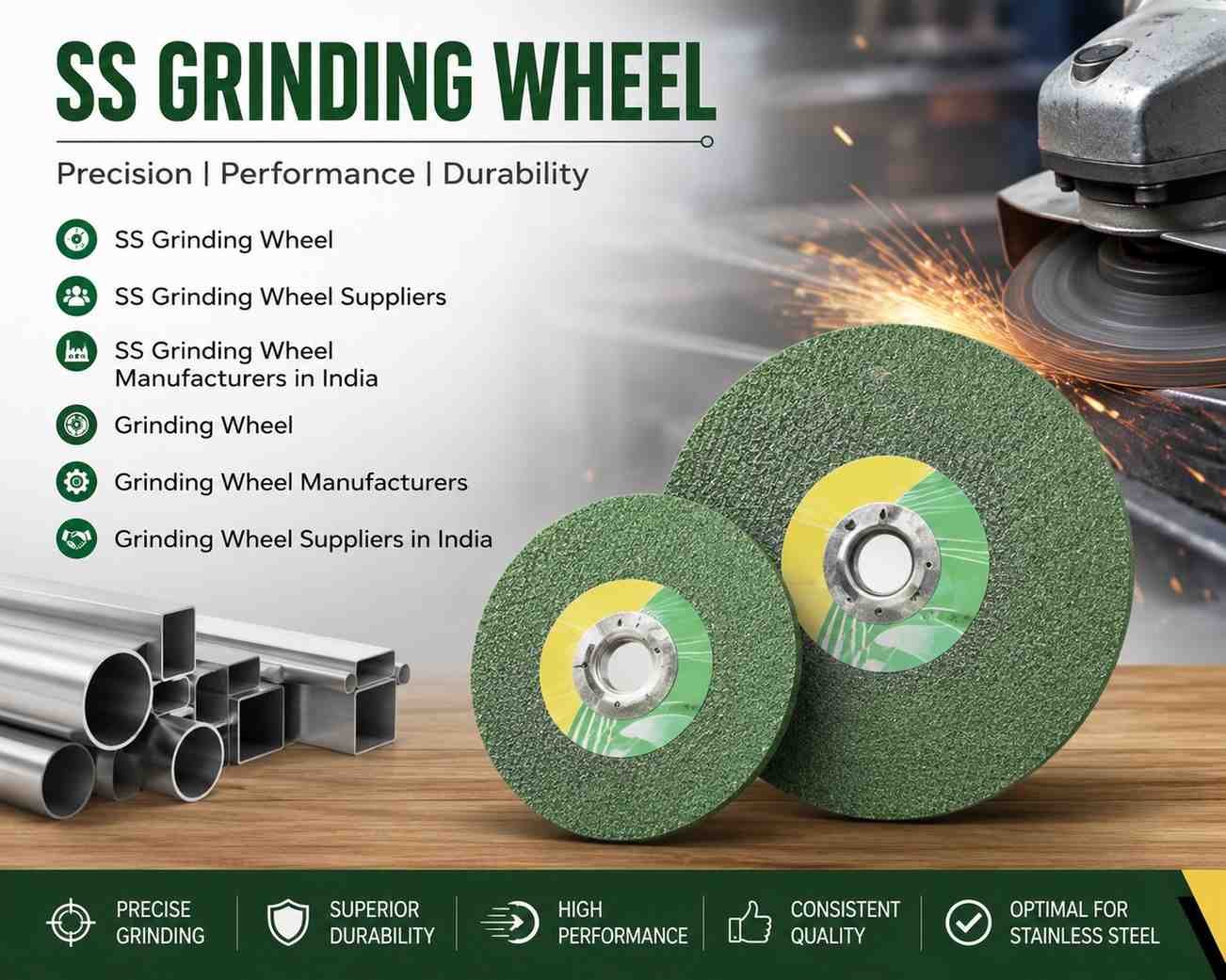
A workshop owner in Faridabad once told us he stopped buying grinding wheels from the lowest bidder after one bad month cost him three repeat customers. The wheels weren’t breaking. That would have been easier to spot. The real problem was uneven finishing on stainless-steel railings. Some pieces came out clean. Others showed faint swirl marks after polishing.
Same machine. Same operator. Different wheel batches.
That’s the kind of issue many buyers discover too late. A low-cost SS Grinding Wheel may look fine during the first few hours of use, then suddenly lose cutting consistency halfway through production. Operators compensate by adding pressure. Heat increases. Surface quality drops. Production slows down quietly before management even notices where the problem started.
Most procurement teams focus heavily on wheel pricing during supplier comparison. Fair enough. Industrial purchasing always comes down to numbers eventually. But stainless-steel grinding is not one of those categories where the cheapest consumable quietly works the same as the expensive one. It rarely does.
The demand for high-quality Grinding Wheel products has increased sharply across fabrication, automotive, construction hardware, pharma equipment, and kitchen equipment manufacturing in India. Buyers are now dealing with tighter finish requirements, faster dispatch timelines, and customers who reject visible finishing inconsistencies immediately.
The Small Technical Details That Usually Create Big Shop-Floor Problems
A grinding wheel may look simple from outside, but small specification changes affect performance more than many buyers expect.
Abrasive Grain Selection Changes Cutting Behaviour
Standard aluminum oxide wheels still dominate general fabrication work because they remain affordable and easy to source. But for heavy stainless-steel grinding, zirconia and ceramic grains usually perform better under continuous pressure.
They cut cooler.
That matters because stainless steel traps heat quickly during grinding. Once heat builds excessively, operators start seeing discoloration marks and reduced wheel life.
An experienced fabricator can often identify a poor wheel before lunch break simply by checking spark consistency and vibration.
Bonding Material Affects Stability
Many buyers compare only wheel size and price while ignoring bond quality completely. That’s a mistake.
Resin-bonded wheels generally provide smoother operation during high-speed grinding because they absorb vibration better. But lower-grade resin mixtures often lose stability faster during extended industrial usage.
And no supplier admits that openly on a catalogue sheet.
RPM Ratings Need Proper Verification
Some workshops still use wheels without checking operating speed compatibility carefully. The wheel fits the machine physically, so operators assume everything is fine.
It isn’t.
An overloaded wheel running beyond rated RPM becomes both a safety issue and a finishing problem. Small vibrations become larger over time. Surface finish quality suffers first. Equipment damage follows later.
Storage Conditions Matter More Than Buyers Think
Moisture affects grinding wheel performance, especially during monsoon months. Resin-bonded wheels stored improperly inside humid warehouses often lose consistency before reaching the customer.
Very few buyers ask suppliers how inventory is stored.
They probably should.
What Buyers Should Actually Check Before Choosing SS Grinding Wheel Suppliers
Reliable SS Grinding Wheel Suppliers behave differently from traders who only push volume.
The difference becomes obvious during technical discussions.
1. Ask How They Handle Batch Consistency
Good suppliers maintain production records and testing details for different manufacturing lots.
Weak suppliers usually reply with vague lines like:
“Quality is checked before dispatch.”
That answer sounds professional until you ask what exactly gets checked.
2. Check Whether They Understand Applications
A proper supplier asks questions before recommending products.
They ask:
- What material are you grinding?
- What machine RPM are you using?
- Continuous usage or intermittent?
- Required finish quality?
- Hand grinder or fixed machine?
Suppliers recommending one wheel for every stainless-steel application are usually chasing sales volume, not long-term business.
3. Evaluate Delivery Stability
Some suppliers promise unrealistic lead times simply to secure orders. Then dispatch delays start after advance payment.
That creates production planning problems immediately.
Industrial buyers don’t just purchase wheels. They purchase scheduling reliability.
4. Inspect Packaging Standards
Wheel damage during transportation happens more frequently than most buyers realize. Improper stacking creates edge cracks and imbalance problems before the material even reaches the factory.
Several complaints blamed on operators actually begin during loading and transport.
5. Ask Directly About Complaint Handling
Every manufacturer faces occasional defects. Serious buyers already understand that.
What matters is how suppliers respond.
A supplier who starts arguing before inspection usually becomes difficult during larger business relationships too.
Why Reliable Grinding Wheels Protect Profit Margins
Cheap grinding wheels often create expensive hidden costs.
Reduced Rework
Uneven grinding patterns increase polishing time and surface correction work. Stainless-steel decorative products especially require consistent finishing because even small surface defects become visible under lighting.
One rejected batch can wipe out months of purchasing savings.
Better Operator Comfort
Operators handling vibrating grinders for long shifts lose precision gradually. Balanced wheels improve handling control and reduce fatigue during repetitive finishing jobs.
Most factory owners underestimate how much operator confidence affects output quality.
Longer Machine Life
Excess vibration affects grinders too. Bearings wear faster. Spindles face more stress. Maintenance teams notice the damage eventually.
Usually after warranty periods end.
Stable Finishing Across Production Lots
Reliable wheels maintain shape longer and deliver more consistent results across batches. That becomes important for export-oriented fabrication units where appearance standards remain strict.
Foreign buyers may ignore tiny dimensional variations occasionally.
Surface finish problems get noticed immediately.
Less Emergency Purchasing
Unstable supply chains force procurement teams into urgent buying situations. Emergency purchases usually come with weaker negotiation leverage and inconsistent product quality.
That cycle becomes frustrating very quickly.
Why Indian Grinding Wheel Suppliers Are Growing Faster
Several SS Grinding Wheel Manufacturers in India have improved manufacturing quality during the last few years because industrial demand from fabrication and infrastructure sectors has increased heavily.
Industrial hubs across Gujarat, Maharashtra, Haryana, and Tamil Nadu now handle large-scale abrasive manufacturing and distribution activity. Suppliers located near freight corridors usually manage dispatch schedules better because transport access remains stronger during peak industrial demand periods.
Reliable Grinding Wheel Suppliers in India also understand local workshop conditions more realistically. A wheel performing well inside a climate-controlled European facility may behave very differently inside a humid Indian fabrication unit running continuous shifts during summer.
Imported catalogues rarely mention that.
About Ultra Touch
At Ultra Touch, we work with wholesalers, industrial buyers, distributors, and fabrication businesses looking for grinding solutions that perform consistently under actual working conditions.
We’ve seen buyers struggle with wheels that looked correct on paper but failed during continuous production usage.
That’s why our discussions usually start with application details before pricing conversations. Machine RPM, material type, usage hours, and finish expectations all affect wheel recommendation decisions.
Back in 2023, we changed storage handling methods for part of our inventory after repeated moisture-related feedback from buyers in western India during monsoon season. The issue wasn’t dramatic, but wheel consistency improved after the adjustment.
Small operational decisions matter in this industry.
If you’re sourcing SS Grinding Wheel products for industrial supply, fabrication work, or distribution requirements, share these details first:
- Wheel size
- Machine RPM
- Stainless-steel application type
- Finish requirement
- Monthly quantity
- Delivery location
At Ultra Touch, we usually respond to serious B2B inquiries within one working day. MOQ depends on wheel specifications and order quantity.
Incomplete inquiries slow technical recommendations for everyone involved.
Conclusion
A dependable Grinding Wheel supplier affects more than consumable availability. An appropriate supplier helps with finish quality, production stability, maintains machine performance, and delivery consistency. As the stainless-steel fabrication standard rises in Indian industries, "SS Grinding Wheel Suppliers" with adequate experience will become crucial for manufacturers to optimize and maintain reliable output quality with minimal rework.
Here is another blog you might be interested in
How to Choose Reliable SS Grinding Wheel Manufacturers in India for Precision Grinding Needs
FAQs
Why are SS grinding wheels preferred for stainless-steel grinding?
Stainless steel generates higher grinding heat compared to many other metals. Specialized wheels handle heat better and reduce surface burn marks during finishing.
How do reliable SS Grinding Wheel Suppliers usually operate?
Experienced SS Grinding Wheel Suppliers ask technical questions before recommending products. They normally discuss RPM, application type, and expected usage conditions before confirming supply.
Are all Grinding Wheel Manufacturers suitable for industrial applications?
No. Some manufacturers mainly produce lighter-duty products for general usage. Industrial buyers should verify specifications carefully before bulk purchasing.
Why do some grinding wheels wear out too quickly?
Incorrect wheel specification, poor abrasive quality, excessive pressure, and unsuitable applications all reduce wheel life. Storage conditions also affect performance consistency.
What advantages do Grinding Wheel Suppliers in India offer?
Reliable Grinding Wheel Suppliers in India generally provide faster delivery, easier communication, and quicker replacement support compared to overseas suppliers.
Why do operators complain about vibration during grinding?
Poor wheel balance, improper RPM usage, damaged edges, or low-quality bonding material usually create vibration issues during operation.
Are SS Grinding Wheel Manufacturers in India improving product quality?
Yes. Several SS Grinding Wheel Manufacturers in India have upgraded manufacturing processes because demand from fabrication and infrastructure industries has increased significantly in recent years.