Modern defence projects are more advanced than ever. Satellite imaging, AI simulations, BIM systems, drone mapping, and virtual reality all play a role in military planning. Yet despite these digital tools, physical military models continue to be used by defence agencies, military contractors, naval architects, and engineering teams across Australia and internationally.
Why?
Because a well-built physical model communicates complex information faster and more clearly than almost anything else in the room.
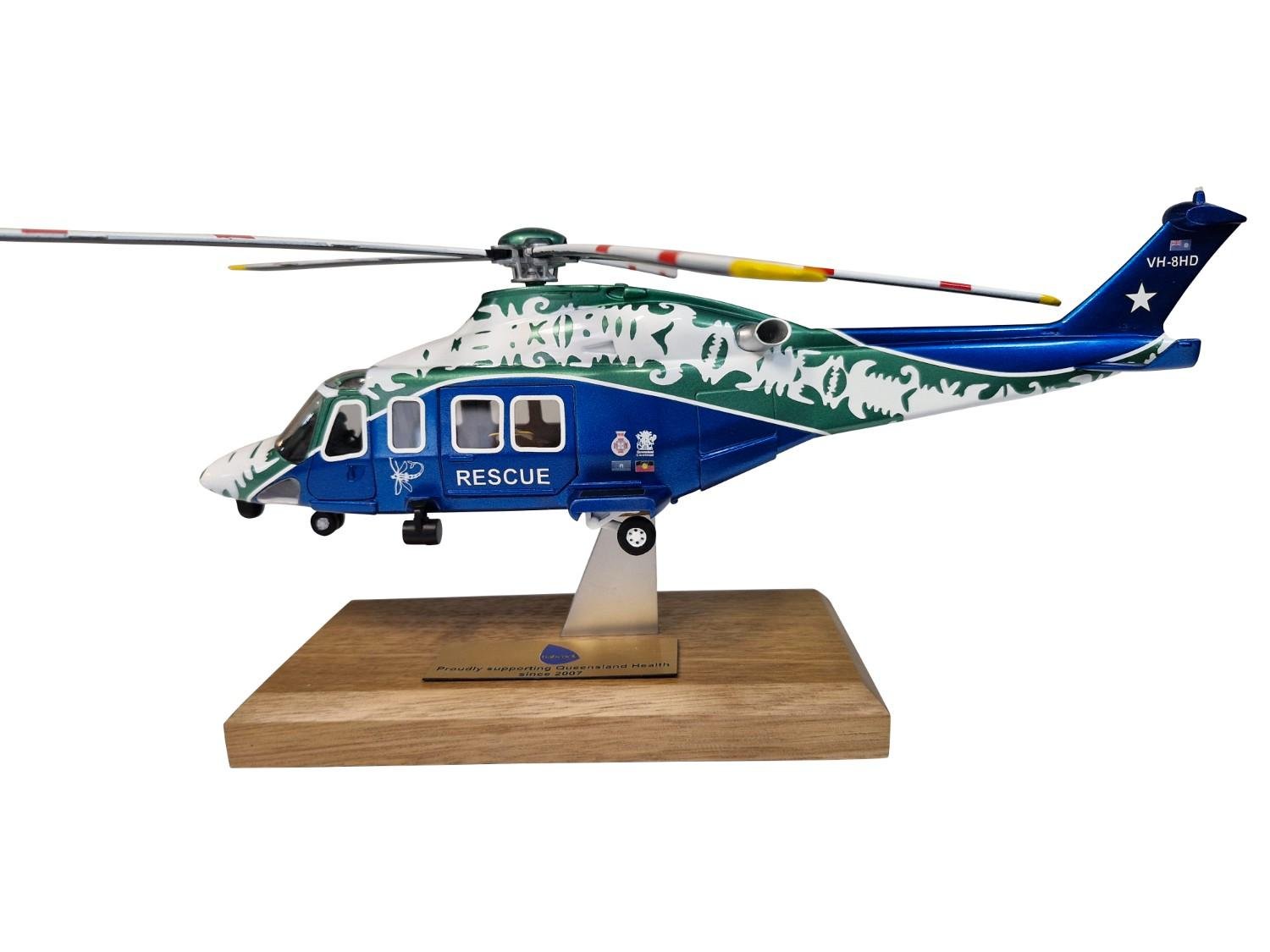
From naval ship models and airbase layouts to battlefield terrain and defence infrastructure, physical military models remain valuable for planning, presentations, training, exhibitions, and stakeholder engagement.
At Austek Models in Manly Vale, Sydney, defence model making is not treated as a novelty or collector hobby. It is a practical communication tool built with precision, confidentiality, and over 40 years of hands-on modelmaking experience.
Key Takeaways
Physical military models simplify complex defence projects for planning and communication
Defence agencies still rely on scaled models for exhibitions, approvals, training, and stakeholder presentations
Military models provide clarity that digital renders often fail to deliver in group environments
Professional defence model makers combine traditional craftsmanship with modern technologies like 3D printing and laser cutting
Australian-built models offer better collaboration, quality control, and confidentiality for sensitive projects
Why Physical Military Models Are Still Used in Defence Projects
Digital technology has transformed defence planning, but physical models solve a different problem.
A screen limits perspective. A physical model creates shared understanding.
In military planning environments, multiple stakeholders often need to evaluate the same concept simultaneously. That may include:
- 1.Defence procurement teams
2.Engineers
3.Government departments
4.Military leadership
5.Contractors
6.Investors
7.Exhibition audiences
8.International partners
A physical model allows everyone to stand around a single representation and instantly understand scale, positioning, movement, terrain, or infrastructure relationships.
That is difficult to achieve with even the best digital presentation.
At Austek Models, many defence-related projects are built specifically to help simplify highly technical systems into something visual, practical, and easy to communicate.
What Are Military Models Used For?
Professional military models are used across multiple defence sectors.
Defence Planning Models
These models help visualise:
1.Military bases
2.Defence infrastructure
3.Strategic layouts
4.Airfields
5.Naval facilities
6.Logistics hubs
7.Vehicle deployment zones
Physical models assist teams during planning reviews and project approvals by making spatial relationships easier to understand.
Exhibition & Trade Show Displays
Defence expos and military industry events are highly competitive environments.
A physical model attracts attention immediately.
Unlike flat screens or brochures, exhibition models create a focal point that encourages discussion and interaction.
Austek Models regularly builds exhibition and display models for defence suppliers, maritime industries, and engineering companies needing to present complex systems clearly.
Naval & Maritime Defence Models
Naval ship models continue to play an important role in:
1.Fleet planning
2.Procurement presentations
3.Museum displays
4.Defence exhibitions
5.Naval architecture reviews
6.Training environments
Detailed maritime models help demonstrate vessel configurations, equipment layouts, and operational functionality in ways that CAD drawings cannot fully communicate.
This is particularly important for large-scale defence procurement discussions where multiple decision-makers are involved.
Training & Education
Military models are also used for:
1.Tactical demonstrations
2.Terrain studies
3.Educational programs
4.Museum installations
5.Historical recreations
6.Defence academy training
A physical environment improves engagement and retention during presentations and instruction.
Why Physical Models Still Outperform Digital Visualisations in Some Situations
Digital renders look impressive.
But they are not always the most effective communication tool.
Physical Models Create Immediate Spatial Understanding
One of the biggest advantages of architectural modelmaking and defence model construction is the ability to understand scale instantly.
People naturally understand physical space better when they can physically move around an object.
This becomes critical when discussing:
1.Infrastructure placement
2.Access routes
3.Equipment positioning
4.Terrain challenges
5.Operational layouts
6.Line-of-sight issues
A defence model can communicate these relationships in seconds.
Better Collaboration During Meetings
In group settings, physical models improve communication.
Instead of individuals focusing on separate screens, everyone engages with the same object simultaneously.
This improves:
1.Decision-making
2.Stakeholder alignment
3.Technical discussions
4.Presentation clarity
5.Client confidence
For large defence projects involving government departments and contractors, that clarity can save time and reduce misunderstandings.
Physical Models Are More Memorable
Exhibition visitors remember physical displays.
Clients remember physical displays.
Decision-makers remember physical displays.
That matters in defence exhibitions where companies compete heavily for attention.
A professionally built military model creates impact that static graphics often cannot achieve.
How Professional Defence Model Makers Build Military Models
Modern defence model makers combine traditional craftsmanship with advanced manufacturing technology.
At Austek Models, projects may involve:
1.Resin casting
2.Silicon moulding
3.Precision laser cutting
4.Hand fabrication
5.CAD integration
6.High-detail painting
7.3D printing
8.Custom material fabrication
This blend of techniques allows highly detailed and durable models to be produced efficiently while maintaining accuracy.
Ian Dennewald, founder of Austek Models, has been building models since 1979 and has produced approximately 2,500 models across architectural, maritime, industrial, and defence sectors.
Unlike larger production facilities, Austek maintains close project involvement from start to finish, helping ensure quality control and communication throughout the process.
What Makes a High-Quality Military Model?
Not all military models are built to professional standards.
The difference usually comes down to five areas.
Feature
Why It Matters
Accuracy
Essential for defence presentations, planning approvals, and technical reviews where precise representation matters.
Scale Consistency
Maintains realistic proportions and spatial relationships across the entire model.
Material Quality
Improves durability, presentation finish, and long-term display performance.
Detail Level
Helps stakeholders understand functionality, layout, and design intent more clearly.
Build Precision
Strengthens credibility with professional audiences, investors, councils, and decision-makers.
That is why defence contractors often work with experienced defence model makers who understand technical specifications, confidentiality requirements, and presentation expectations.
Common Mistakes Companies Make With Military Models
Choosing Cheap Presentation Models
Low-cost models often lack precision, durability, and detail.
In defence environments, inaccuracies are noticed quickly.
Poor-quality models may create the impression that the underlying project lacks professionalism.
Ignoring Scale Requirements
Incorrect scale selection can reduce usability.
Some projects require overview planning models, while others need close-detail demonstration models.
Choosing the wrong scale limits effectiveness.
Relying Only on Digital Presentations
Digital tools are valuable, but many companies underestimate how effective physical displays are during stakeholder engagement and exhibitions.
The strongest presentations often combine both physical and digital communication tools.
Working With General Hobby Builders Instead of Professional Model Makers
Professional defence model makers understand:
1.Technical drawings
2.Engineering concepts
3.Material durability
4.Exhibition requirements
5.Defence presentation standards
6.Confidentiality expectations
That experience becomes important in complex projects.
Why Australian-Made Defence Models Matter
For many defence projects, local production offers major advantages.
Working with an Australian model maker provides:
1.Easier collaboration
2.Faster communication
3.Better quality oversight
4Reduced shipping risks
5.Local project support
6.Confidential handling of sensitive designs
Based in Manly Vale NSW, Austek Models works with clients across Sydney and Australia, delivering custom-built defence, maritime, industrial, and architectural models.
The workshop combines old-school craftsmanship with modern manufacturing technologies including resin printing, laser cutting, and CAD-supported fabrication.
Architectural Modelmaking Principles Also Apply to Defence Projects
Many defence projects involve infrastructure, master planning, and spatial analysis.
That is where architectural modelmaking experience becomes valuable.
The same principles used in large-scale architectural models also apply to:
1.Military facilities
2.Naval dockyards
3.Defence headquarters
4.Airbase developments
5.Logistics centres
6.Operational planning layouts
A model maker experienced in both architectural and defence sectors can better interpret complex environments and present them clearly.
Expert Recommendations Before Commissioning a Military Model
Before hiring defence model makers, consider these factors.
Clarify the Purpose
Is the model intended for:
Planning?
Public display?
Trade exhibitions?
Internal presentations?
Training?
Procurement discussions?
The purpose affects scale, materials, lighting, portability, and detail requirements.
Provide Clear Reference Material
Professional model makers work best with:
CAD files
Technical drawings
3D models
Site plans
Reference photographs
Concept sketches
The clearer the input material, the better the final outcome.
Allow Time for Detail Work
Highly detailed military models require planning, revisions, fabrication, finishing, and testing.
Complex projects should not be rushed.
Why Defence Models Continue to Matter
Technology changes constantly.
But the need for clear communication does not.
Physical military models continue to provide something digital tools alone often cannot:
Shared understanding.
Whether used for defence planning, exhibitions, naval presentations, or infrastructure development, a professionally built model helps people understand complex systems faster and with greater confidence.
That is why defence agencies, contractors, engineers, and naval architects still rely on physical models today.
And with advances in 3D printing and fabrication technology, modern military models are now more detailed, accurate, and versatile than ever before.
Need a Professional Defence Model Maker in Australia?
Austek Models has been building custom military, maritime, industrial, and architectural models since 1985 from its workshop in Manly Vale, Sydney.
With more than four decades of hands-on experience, Austek combines traditional craftsmanship with modern technologies including 3D printing, laser cutting, resin casting, and CAD integration.
Whether you need a defence exhibition model, naval presentation piece, infrastructure planning model, or custom military display, the team can help turn complex concepts into practical physical representations.
To discuss your project requirements, timelines, or model specifications, contact Austek Models directly for a consultation.
FAQs
What are military models used for?
Military models are used for defence planning, stakeholder presentations, exhibitions, procurement discussions, training, and infrastructure visualisation.
Why do defence companies still use physical models?
Physical models provide better spatial understanding, improve collaboration during meetings, and create stronger engagement during exhibitions and presentations.
What materials are used in military models?
Professional defence model makers commonly use acrylic, resin, timber, 3D-printed components, laser-cut materials, and specialised finishing materials.
Are military models still relevant with modern digital technology?
Yes. Digital tools support planning, but physical models remain highly effective for communication, presentations, exhibitions, and group decision-making.
How long does it take to build a defence model?
Simple models may take several weeks, while highly detailed military models can require several months depending on complexity and scale.
Tags : military models