Why More Homeowners Are Turning to Water Tanks Newcastle & Central Coast for Smarter Living
By Bruce Waller 04-05-2026 71
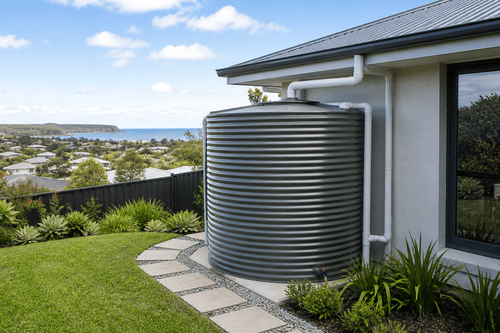
There’s been a noticeable shift in how people think about water at home. It’s no longer just something that flows when you turn on a tap. Across growing regions like Newcastle and the Central Coast, homeowners are starting to look at water as something that can be managed, stored, and used more deliberately.
That’s where Water Tanks Newcastle & Central Coast come into the picture. What was once considered a rural feature is now becoming part of everyday suburban living. And it’s not just about saving water. It’s about control, reliability, and making better use of what naturally falls on your roof.
Why Water Storage Is Gaining Attention
Rainwater tanks have been around for decades, but the reasons for installing them have evolved. In the past, they were often tied to off-grid living or properties without access to mains water. Today, they’re just as relevant in suburban streets.
Part of the change comes down to awareness. Water restrictions, changing weather patterns, and rising utility costs have all played a role. People are more conscious of how much water they use and where it comes from.
Installing a tank offers a simple way to reduce reliance on mains supply. It doesn’t replace it entirely, but it creates a buffer. During dry periods or peak usage times, that buffer can make a difference.
Making Use of Rainfall That Would Otherwise Be Lost
One of the most practical aspects of installing a water tank is how it captures rainfall that would otherwise run off into stormwater systems. Roofs collect a surprising amount of water, even during light rain.
Instead of letting that water go to waste, tanks store it for later use. That stored water can then be used for gardening, washing outdoor areas, or even flushing toilets, depending on how the system is set up.
Over time, this reduces the amount of treated water being used for tasks that don’t necessarily require it. It’s a small adjustment that can add up.
Adapting to Different Property Types
Not every home is the same, and water tank setups reflect that. Some properties have large outdoor areas and benefit from higher-capacity tanks. Others, particularly newer builds with limited space, may require slimline or underground options.
In Newcastle and across the Central Coast, the variety of housing styles means flexibility is essential. Tanks can be positioned alongside the house, tucked behind structures, or integrated into landscaping designs.
The goal is to make the system functional without disrupting how the space is used. When done well, the tank becomes part of the property rather than something that stands out.
Understanding Tank Materials and Durability
Water tanks come in a range of materials, and each has its own advantages. Polyethylene tanks are common due to their durability and lightweight design. Steel tanks offer strength and can be tailored to specific sizes, while concrete options are often used for underground storage.
Choosing the right material depends on factors like available space, budget, and intended use. Climate conditions also play a role. Coastal areas, for example, may require materials that handle exposure to salt air more effectively.
A well-chosen tank isn’t just about capacity. It’s about longevity and how well it integrates with the environment around it.
How Water Tanks Fit Into Everyday Life
For many households, the impact of installing a water tank becomes noticeable in everyday routines. Gardens stay healthier during dry spells, outdoor cleaning becomes less of a concern, and there’s a sense of independence that comes with having stored water available.
Some systems go further by connecting to internal plumbing. This allows rainwater to be used for laundry or toilet flushing, reducing mains water usage even more.
The level of integration varies, but even a basic setup can provide practical benefits without requiring major changes to how the home operates.
Planning Installation the Right Way
Installing a water tank isn’t just about placing it somewhere convenient. There are a few practical considerations that shape the final setup.
Roof size, guttering, and downpipe placement all influence how effectively water is collected. The base of the tank needs to be stable and level. Overflow systems must be directed appropriately to avoid drainage issues.
This is where professional input becomes useful. Looking into options such as Water Tanks Newcastle & Central Coast – Cessnock Tank Works can give homeowners a clearer idea of what’s involved and how different setups are designed to suit local conditions.
For those comparing options, exploring Cessnock Tank Works for water tanks newcastle & central coast may help highlight the variety of systems available and how they can be adapted to different properties.
If you’re still weighing up whether it’s the right move, taking the time to Explore our water tanks newcastle & central coast can provide a broader understanding of how these systems work in real-world settings.
Maintenance and Long-Term Use
Once installed, water tanks are relatively low maintenance, but they’re not completely hands-off. Keeping gutters clean is one of the most important tasks, as it ensures water entering the tank is free from debris.
Filters and screens may need occasional checking, especially after heavy rain. Over time, inspecting the tank for wear or buildup helps maintain water quality and system performance.
These small steps help extend the lifespan of the tank and keep it functioning as intended.
Environmental and Practical Benefits
Beyond convenience, water tanks contribute to broader environmental outcomes. By reducing demand on mains water systems, they help ease pressure on infrastructure, particularly during peak periods.
They also play a role in stormwater management. By capturing rainfall, tanks reduce runoff, which can help minimise erosion and flooding in certain areas.
On a household level, the benefits are more immediate. There’s less reliance on external supply, more flexibility in how water is used, and often a greater awareness of consumption habits.
Looking Ahead
Water management is becoming a more visible part of home design, and tanks are likely to remain a key feature in that shift. As technology evolves, systems may become even more efficient, with smarter monitoring and integration options.
For now, the appeal lies in simplicity. A tank collects water, stores it, and makes it available when needed. It’s a straightforward concept, but one that aligns well with the way people are starting to think about resource use.
Final Thoughts
Water Tanks Newcastle & Central Coast are no longer just a practical add-on. They’re becoming part of how homes function on a day-to-day basis. Whether it’s for maintaining a garden, reducing water bills, or simply having an extra layer of reliability, the reasons for installing a tank continue to grow.
The process doesn’t have to be complicated. With the right setup and a bit of planning, it’s possible to create a system that fits naturally into your home and lifestyle.
In the end, it’s about making better use of what’s already available. Rain falls, roofs collect it, and tanks store it. From there, it’s simply a matter of putting that water to good use.