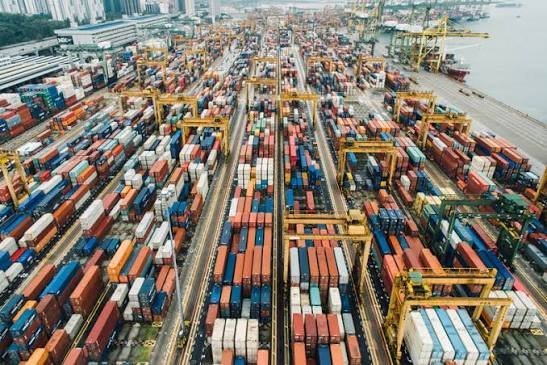
The logistics landscape across the Middle East is evolving rapidly as businesses seek faster, more resilient, and technology-driven supply chain operations. Growing cross-border trade, expanding e-commerce, and increasing investments in smart infrastructure are encouraging organizations to move beyond conventional logistics models. As a result, companies are increasingly relying on integrated logistics partners capable of managing complex transportation, warehousing, and distribution networks while improving operational efficiency.
The Middle East 5PL Market reflects this transformation by highlighting the growing adoption of fifth-party logistics services that combine digital technologies, strategic planning, and multi-provider coordination. According to insights published by advanced supply chain intelligence research, organizations across the region are prioritizing logistics ecosystems that enhance visibility, scalability, and operational flexibility. This shift is driven by the increasing complexity of regional and international supply chains rather than by a single industry trend.
Unlike traditional logistics providers that primarily manage transportation or warehousing, fifth-party logistics providers oversee entire supply chain ecosystems. They coordinate multiple logistics partners, leverage advanced technologies, and optimize end-to-end operations, enabling businesses to reduce inefficiencies while maintaining better control over inventory, procurement, and customer fulfillment.
Digital Transformation Is Redefining Logistics Operations
Digital technologies are becoming the backbone of modern logistics across the Middle East. Artificial intelligence, cloud-based transportation management systems, predictive analytics, and Internet of Things (IoT) devices enable logistics providers to monitor shipments in real time, optimize routes, and identify potential disruptions before they affect operations.
The integration of automation also reduces manual processes, improves inventory accuracy, and strengthens communication between manufacturers, suppliers, distributors, and retailers. Businesses increasingly value these capabilities because they support faster decision-making while helping organizations respond quickly to changing customer expectations and market conditions. According to the World Economic Forum, digital technologies continue to play a significant role in building more resilient and efficient global supply chains.
E-Commerce Expansion Is Increasing Supply Chain Complexity
The continued growth of online retail has significantly increased logistics requirements throughout the Middle East. Consumers now expect shorter delivery times, accurate order tracking, and seamless returns, forcing retailers to rethink traditional fulfillment strategies.
Fifth-party logistics providers address these challenges by integrating transportation, warehousing, inventory management, customs coordination, and last-mile delivery into a unified network. Rather than managing multiple service providers independently, businesses can streamline logistics through centralized planning and technology-driven coordination, improving both customer experience and operational efficiency.
Regional Infrastructure Investments Support Logistics Growth
Governments across the Middle East continue investing heavily in transportation infrastructure, ports, airports, industrial zones, and smart logistics corridors. These initiatives strengthen regional connectivity while creating favorable conditions for advanced logistics service providers.
Major infrastructure developments, combined with economic diversification strategies, encourage multinational companies and regional manufacturers to establish more sophisticated supply chain networks. Organizations increasingly require logistics partners capable of coordinating operations across multiple countries while maintaining compliance with varying trade regulations. The World Bank notes that infrastructure modernization remains a critical factor in improving trade efficiency and supply chain performance worldwide.
Technology-Driven Visibility Improves Supply Chain Resilience
Supply chain disruptions experienced in recent years have highlighted the importance of visibility across logistics operations. Companies now seek comprehensive oversight of inventory movement, supplier performance, transportation status, and potential operational risks.
Advanced analytics platforms used by fifth-party logistics providers deliver centralized dashboards that allow businesses to monitor supply chain performance in real time. These insights enable faster responses to unexpected delays, inventory shortages, or transportation disruptions while supporting better long-term planning through predictive data analysis.
Sustainability Is Becoming a Logistics Priority
Environmental sustainability is increasingly influencing logistics strategies throughout the region. Businesses are exploring methods to reduce transportation emissions, improve fuel efficiency, minimize empty vehicle movements, and optimize warehouse operations.
Technology-enabled logistics planning supports these sustainability objectives by improving route optimization, reducing unnecessary transportation, and enabling more efficient utilization of logistics resources. Organizations are recognizing that environmentally responsible supply chain practices often contribute to operational cost savings alongside sustainability goals. The International Energy Agency highlights that digital optimization can improve transport efficiency while supporting broader decarbonization initiatives.
The Future of Fifth-Party Logistics in the Middle East
The future of advanced logistics management in the Middle East will likely be shaped by increasing digitalization, artificial intelligence, automation, and cross-border trade integration. As supply chains become more interconnected, organizations will continue seeking logistics partners capable of managing increasingly sophisticated operational networks.
Businesses are expected to prioritize flexibility, data-driven decision-making, cybersecurity, and end-to-end supply chain visibility when selecting logistics partners. Fifth-party logistics providers are therefore positioned to play an increasingly strategic role by integrating technology, operational expertise, and multi-network coordination into comprehensive logistics solutions that support long-term business resilience.