Late deliveries cost more than money because they damage trust. The entire logistics chain experiences a single delay in the logistics system. Customers demand quick service with transparent updates and uninterrupted service. Most companies continue to use manual tracking systems together with outdated tracking equipment. The process results in mistakes, inefficient work and dissatisfied customers.
The delivery management system transforms the complete delivery process. The system enables businesses to manage their delivery operations by providing real-time tracking and optimisation capabilities. The guide demonstrates the reasons logistics companies depend on these systems, which help their businesses expand.
What Is a Delivery Management System?
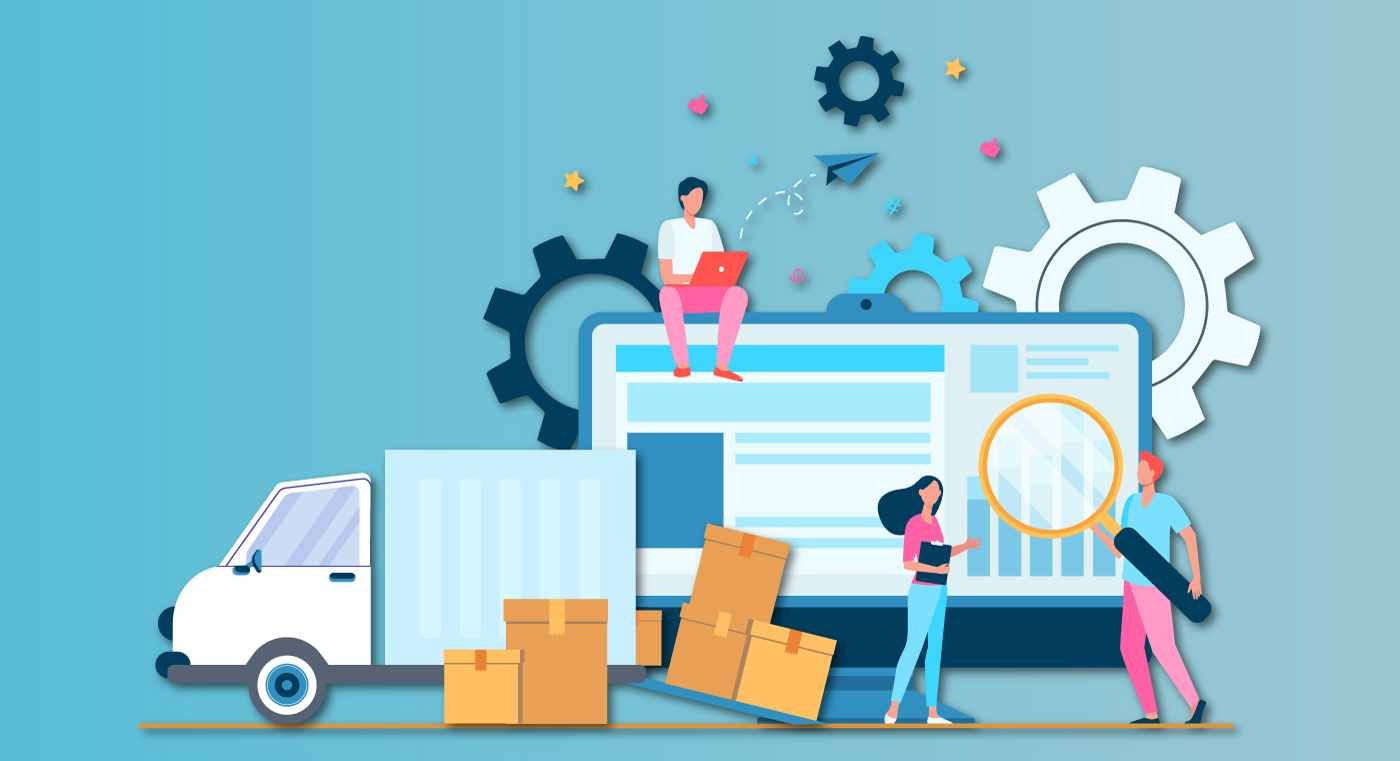
A delivery management system is software that helps manage the entire delivery process. It covers planning, tracking, routing, and reporting.
Instead of juggling spreadsheets or phone calls, everything sits in one place. That makes operations faster and easier to control.
Key Functions
- Route planning and optimisation
- Real-time tracking
- Delivery status updates
- Driver management
- Proof of delivery
These features help teams work with clarity and speed.
Why Logistics Companies Choose a Delivery Management System
Logistics firms need speed, accuracy, and control to stay competitive. A delivery management system helps them meet these demands with ease and consistency.
1. Better Route Planning Saves Time
Efficient routing sits at the heart of smooth deliveries. A smart system removes guesswork and plans routes in seconds.
- Reduces fuel usage with optimised paths
- Avoids traffic delays using real-time data
- Prioritises urgent deliveries automatically
This leads to faster trips and higher productivity.
2. Real-Time Tracking Builds Trust
Customers expect visibility at every step. Live tracking keeps them informed and confident.
- Sends instant updates on delivery status
- Reduces customer support queries
- Improves transparency across operations
As a result, trust grows with every delivery.
3. Reduced Operational Costs
Manual systems drain both time and money. Automation cuts waste and improves efficiency.
- Lowers fuel and labour costs
- Minimises errors and rework
- Improves resource allocation
Over time, this creates strong cost savings.
4. Improved Delivery Accuracy
Accuracy matters in every delivery. A digital system ensures fewer mistakes and better results.
- Provides clear delivery instructions to drivers
- Captures proof of delivery instantly
- Reduces failed or incorrect deliveries
This helps maintain consistent service quality.
5. Easy Scalability
Growth brings more orders and complexity. The best delivery management solution adapts without slowing down.
- Handles high delivery volumes smoothly
- Supports expansion into new areas
- Maintains performance during peak demand
This ensures businesses grow without operational stress.
How It Improves Internal Operations
The best delivery management solution provides customer-facing benefits while it revolutionises internal team operations. Dispatchers no longer spend hours manually assigning orders. The system handles that. The managers receive immediate updates about driver performance, delivery success rates, and fleet efficiency.
The system detects failed deliveries and traffic delays by providing real-time alerts when these events occur. The team can act immediately rather than finding out hours later.
Decision-making processes receive transformation through this type of visibility. Teams can stop problems from happening instead of waiting to respond when issues arise.
How Delivery Management Solutions Improve Efficiency
Efficiency drives every successful logistics operation. Without it, delays grow, and costs rise quickly. A delivery management system improves workflow, reduces manual effort, and keeps operations running smoothly at scale.
Automation of Daily Tasks
Routine tasks slow teams down when handled manually. Assigning orders and updating delivery status takes time.
Automation completes these tasks instantly. This allows teams to focus on planning and service quality.
Centralised Data Access
Scattered data creates confusion and delays decisions. Teams struggle when information is not in one place.
A central dashboard brings everything together. Managers can track operations and respond without delay.
Faster Decision-Making
Logistics needs quick action to avoid delays. Slow decisions can disrupt the entire delivery chain.
With real-time data, teams adjust routes and resources quickly. This keeps deliveries on track even during peak times.
Improved Driver Coordination
Clear communication with drivers is essential for smooth deliveries. Without it, errors and delays increase.
A delivery system sends instant updates to drivers. This helps them follow routes and complete tasks with accuracy.
Better Performance Tracking
Tracking performance helps improve operations over time. Without data, it is hard to spot issues.
Delivery management solutions provide detailed reports. Businesses use these insights to improve efficiency and reduce costs.
Common Challenges Without Delivery Management Solutions
Many logistics companies still depend on manual processes. This creates gaps in control and slows down operations.
Without proper systems, small issues quickly turn into major delays and losses.
- Lack of Visibility: Teams cannot track deliveries in real time, which leads to confusion and missed deadlines
- Higher Operational Costs: Manual planning increases fuel usage, labour hours, and overall expenses
- Poor Customer Experience: Limited updates frustrate customers and reduce trust in the service
- Increased Human Errors: Manual entries often lead to wrong addresses, missed deliveries, or incorrect records
- Limited Scalability: As order volume grows, outdated processes fail to keep up with demand
Scaling Without the Growing Pains
Growth is the goal for every logistics company. But scaling up manually creates new problems. More drivers mean more coordination. More orders mean more chances for errors.
A delivery management system scales with you. Whether you handle 50 deliveries a day or 5,000, the system manages the load without adding admin pressure.
This is why startups and established logistics firms alike are investing in management solutions early. It is not just a fix for today — it is the foundation for tomorrow.
The Cost Argument: Is It Worth It?
Some companies hesitate because of the upfront investment. But the numbers tell a clear story.
Consider what poor delivery management actually costs:
- Failed deliveries that need re-attempts
- Fuel wasted on inefficient routes
- Customer service hours spent handling complaints
- Lost clients due to repeated delays
The savings from a delivery management system typically outweigh the cost within the first few months. And as the business grows, the return only increases.
What to Look for in the Best Delivery Management Solution
Not all systems are built the same. When choosing the right platform, logistics companies in Singapore tend to look for a few key things.
Integration Matters
The system should connect with your existing tools — your warehouse software, your e-commerce platform, your accounting system.
Mobile-First Design
Drivers need an app that is easy to use on the road. A clunky interface leads to errors and frustration.
Scalability
Your needs today will not be the same in two years. The platform should grow with you without requiring a full overhaul.
Local Support
For Singapore-based companies, having a support team that understands local logistics challenges is a genuine advantage.
Real Impact: What Logistics Companies Experience After Switching
Companies that move to a delivery management system often report the same outcomes within the first few months.
Delivery success rates go up. Customer complaints come down. Drivers are more efficient. Managers have better data to work with.
One consistent theme is clarity. Teams know what is happening at every point in the delivery chain. That clarity reduces stress, reduces errors, and makes the whole operation run smoother.
For logistics companies in Singapore competing on speed and reliability, that clarity is not a nice-to-have. It is a must.
Conclusion
The organisation needs to implement a delivery management system because the technology will help it improve its operational efficiency through improved customer satisfaction, driver productivity and cost management.
The logistics sector in Singapore has reached a point where competition will continue to intensify. The companies which implement effective management systems at this time will establish themselves as market leaders for the upcoming years.
You need to switch from your current delivery system because you have reached a point where your existing method no longer works. The only question which remains is when you will begin your new delivery system.
FAQs
What purpose does a delivery management system serve?
A delivery management system controls the entire delivery process through its capabilities of route planning, driver dispatching, real-time delivery tracking and delivery proofing. The system enables users to handle all delivery operations through its single-platform solution.
What cost reductions does a delivery management system provide for businesses?
The system decreases expenses through its route optimisation features, which decrease fuel consumption, improve delivery success rate, and its reduction of administrative time needed for manual delivery coordination. Logistics companies experience significant cost savings through these savings, which accumulate over a longer period.
Is a delivery management system suitable for small logistics companies in Singapore?
Yes. Many delivery management solutions are designed to scale, which means small companies can start with basic features and expand as their operations grow. All businesses achieve efficiency improvements through this solution.
What characteristics identify the top delivery management system among its competitors?
The best platforms offer real-time tracking and route optimisation together with easy system integration, a mobile driver application, and local customer support services. Organisations need to understand their staff's ability to use systems before implementing daily operations.
Tags : Delivery Management System