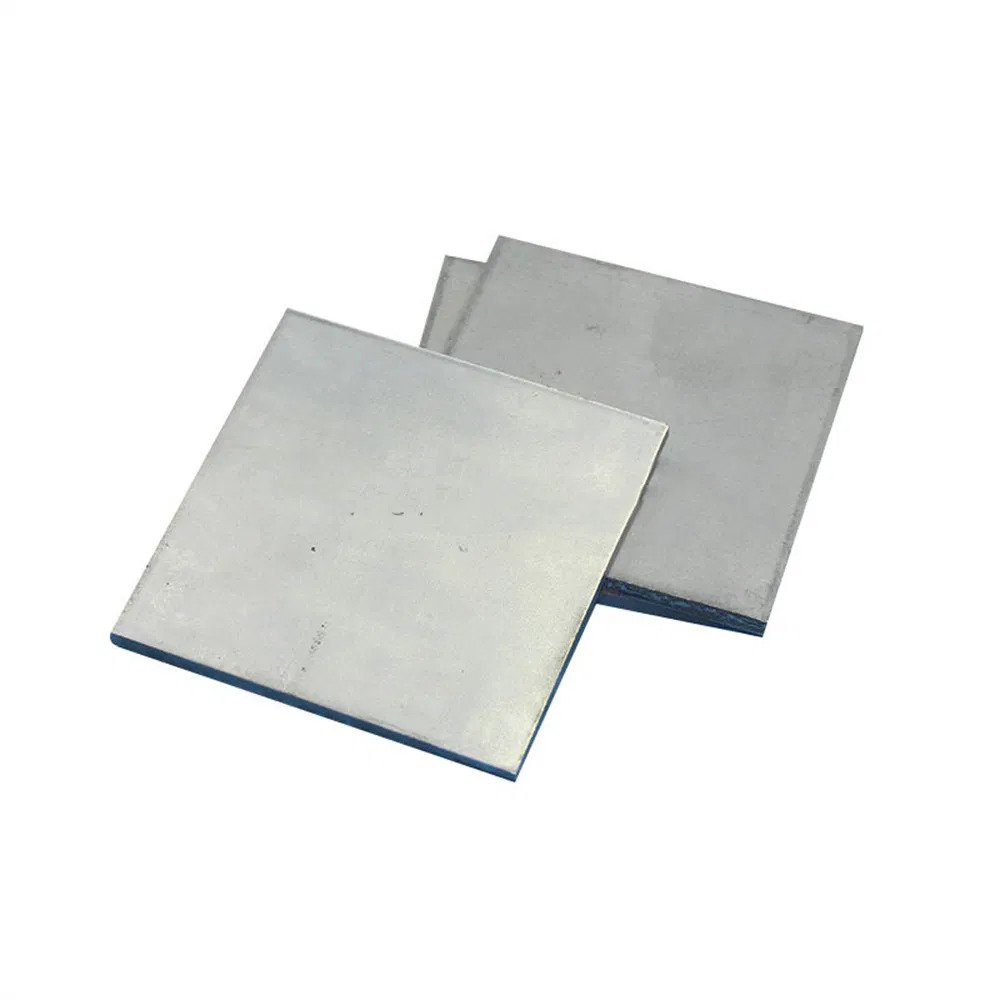
Selecting materials with exact dimensional stability and controlled thermal expansion is a strict requirement for vacuum systems and aerospace hardware. The material must maintain tight sealing performance under extreme conditions. Engineers specify Kovar plates because of their unique coefficient of thermal expansion and strong mechanical properties. These flat metal sheets match the expansion rates of hard glass and ceramics. This makes iron nickel cobalt alloy plates highly effective for creating structural joints. This article details the physical properties, specific advantages, common applications, and selection considerations of these plates for vacuum and aerospace operations.
What Are Kovar Plates?
These are specialized flat metal products made from a precise composition of iron, nickel, and cobalt. This specific metallic blend is necessary to achieve controlled thermal expansion. The metal matches the expansion rate of borosilicate glass. This prevents cracking in bonded assemblies during rapid temperature changes. Suppliers provide these plates in various thicknesses, customized dimensions, and specific surface finishes depending on the engineering requirement. Most industrial buyers require materials that meet ASTM F15 specifications and equivalent international standards to guarantee consistent metallurgical performance.
Key Properties of Kovar Plates
Several mechanical and thermal characteristics define how this material behaves. Engineers evaluate these specific properties before approving the metal.
Controlled coefficient of thermal expansion
The metal expands at a very specific and predictable rate over time. This thermal behavior matches specific glasses and ceramics directly. It prevents physical separation during extreme heating cycles.
Excellent glass-to-metal sealing capability
Manufacturers rely on this specific metal to bond directly with hard glass. The chemical composition allows a thick oxide layer to form. This layer bonds tightly to the glass surface.
High dimensional stability
The physical shape of the metal remains constant over long time periods. Components machined from Kovar Alloy Plates maintain their precise tolerances. This dimensional stability is required in complex assemblies.
Good mechanical strength
The alloy is structurally rigid and highly durable under pressure. It supports heavy physical loads and resists deformation under stress. The metal retains structural integrity in harsh operating conditions.
Excellent machinability and weldability
Fabricators can cut and shape the material using standard heavy machining tools. The metal takes industrial welding processes very well. This allows easy integration into larger mechanical structures and frameworks.
Oxidation resistance
The metal surface resists rapid degradation when exposed to normal atmospheric air. Proper thermal processing creates a hard protective oxide layer. This prevents deep corrosion that would weaken the part.
Reliable performance across varying temperatures
These plates function properly in both extreme cold and high heat. The physical properties do not degrade quickly during thermal cycling. Kovar plates maintain consistent performance characteristics under stress.
Why Kovar Plates Are Preferred for Vacuum and Aerospace Applications
Engineers require materials with exceptional compatibility with glass and ceramics for high-altitude hardware. ASTM F15 Kovar Plates deliver stable performance under strict vacuum conditions. The alloy produces very low thermal stress during severe atmospheric temperature fluctuations. This allows high precision for critical aerospace components and structures. The material provides a long service life with minimal physical maintenance. The metallic structure guarantees reliable sealing and structural integrity over thousands of flight hours. Kovar Alloy Plates maintain excellent performance in high-reliability environments where electronic component failure is unacceptable.
Applications of Kovar Plates
Industrial sectors utilize this material for specific containment and electronic requirements. The following areas represent the most common commercial uses.
Vacuum chambers
Equipment builders construct heavy containment vessels using this specific material. The metal maintains structural strength under severe negative pressure conditions. It prevents atmospheric gas leakage at the mechanical connection joints.
Aerospace electronic housings
Flight computers and complex navigation boards require strong protective casing. The plates form a rigid enclosure around sensitive internal electronics. This blocks external signal interference and stops physical impact damage.
Satellite components
Orbital hardware experiences massive temperature swings in deep space environments. The material prevents housing expansion from crushing delicate internal sensors. It supports continuous, reliable operational performance while in orbit.
Hermetic sealing applications
Industrial assemblies require incredibly tight seals to block moisture and dust. The metal creates a permanent physical barrier between environments. It protects delicate internal mechanical mechanisms from environmental contamination.
Semiconductor manufacturing equipment
Microchip fabrication requires highly controlled and clean processing environments. The solid plates serve as stable bases and rigid structural supports. They do not introduce chemical contaminants into the sterile cleanroom.
Sensors and instrumentation
Scientific measurement devices need stable structural housings to maintain calibration. The metal prevents external heat sources from altering the sensor alignment. This guarantees highly accurate data readings over long periods.
Microwave and RF devices
High-frequency communication hardware utilizes this dense alloy for structural mounting bases. The metal supports rigid waveguides and electronic transmission tubes. It easily handles specific thermal loads generated by radio frequencies.
Medical and scientific equipment
Laboratory testing devices often involve sealed internal X-ray tubes and lasers. The material securely supports glass lenses and tight containment tubes. It successfully holds internal pressure in specialized medical units.
Glass-to-metal seals
The solid base metal connects directly to thick glass viewing ports. The industrial heat bonding process merges the two distinct materials. This forms a permanent joint that holds vacuum pressure.
Factors to Consider When Choosing Kovar Plates
Procurement teams must evaluate several technical parameters before buying the raw material. Proper engineering evaluation prevents costly component failure in the final assembled mechanical unit.
- Engineers must verify the exact thermal expansion requirements of the specific mating components before finalizing the design.
- The expected operating temperature range of the final assembly dictates the proper metal thickness and material choice.
- Buyers need to specify the exact plate thickness and overall dimensions to maximize factory machining efficiency.
- The technical project requires strict verification of glass or ceramic compatibility for the final heat sealing process.
- Specific surface finish requirements dictate how the raw metal will be processed at the mill before delivery.
- Purchasing managers must demand strict ASTM F15 compliance documentation for all incoming metal shipments at the dock.
- Material suppliers must provide detailed metallurgical certifications and physical quality assurance testing documentation with every bulk order.
Conclusion
The physical characteristics of this solid metal solve very specific engineering problems. The controlled thermal expansion and excellent glass-to-metal sealing capability provide high dimensional stability. The metal delivers dependable, continuous performance in demanding vacuum and aerospace environments. Specifying high-quality ASTM F15 Kovar plates ensures tight sealing, structural precision, and long-term physical durability for mission-critical applications. Selecting ASTM F15 Kovar plates with the appropriate dimensions, thermal expansion characteristics, and surface finish helps ensure reliable sealing performance and long-term dimensional stability in demanding vacuum and aerospace applications.
Tags : Kovar Plates