Why Is a Restaurant Food Vendor Inventory System Essential for Modern Restaurant Management?
By Chain Service Solutions 26-05-2026 101
The restaurant industry operates in one of the most competitive and fast-paced business environments today. From managing food costs and supplier relationships to maintaining stock levels and minimizing waste, restaurant owners face daily operational challenges that directly impact profitability and customer satisfaction.
One of the most effective ways restaurants improve efficiency and streamline operations is by implementing a restaurant food vendor inventory system. These systems help businesses track inventory, manage vendors, monitor purchasing patterns, reduce waste, and improve overall supply chain management.
As restaurants continue adapting to rising food costs, changing customer expectations, and operational complexities, inventory management technology has become a necessity rather than a luxury. Businesses seeking smarter restaurant operations often turn to solutions provided by companies like Chain Service Solutions to improve inventory visibility and vendor coordination.
What Is a Restaurant Food Vendor Inventory System?
A restaurant food vendor inventory system is a digital platform or software solution designed to help restaurants manage food inventory, track vendor orders, monitor stock levels, and streamline purchasing processes.
Instead of relying on manual spreadsheets, handwritten records, or disconnected ordering systems, restaurants can centralize inventory management into one organized platform.
These systems typically assist with:
- Inventory tracking
- Vendor management
- Purchase order creation
- Food cost monitoring
- Stock level alerts
- Waste reduction
- Invoice management
- Reporting and analytics
- Supply chain coordination
The goal is to help restaurant operators gain better control over food inventory and purchasing decisions.
Why Is Inventory Management So Important for Restaurants?
Inventory is one of the largest operational expenses for restaurants. Poor inventory management can quickly lead to food waste, overspending, stock shortages, and reduced profitability.
Reduces Food Waste
Food spoilage and waste are major challenges in the restaurant industry. Without proper inventory tracking, ingredients may expire before being used.
An inventory system helps restaurants monitor stock movement, expiration dates, and usage patterns more accurately.
Controls Food Costs
Fluctuating ingredient prices directly affect restaurant profit margins. Inventory systems provide better visibility into purchasing habits and food expenses.
Restaurant managers can identify high-cost items, optimize purchasing decisions, and maintain healthier profit margins.
Prevents Overstocking and Shortages
Ordering too much inventory leads to unnecessary waste, while ordering too little creates service disruptions.
Inventory management systems help restaurants maintain optimal stock levels based on sales trends and demand forecasts.
Improves Operational Efficiency
Manual inventory tracking consumes valuable staff time and increases the risk of human error.
Automated systems simplify inventory management tasks, allowing restaurant teams to focus more on operations and customer service.
What Role Do Vendors Play in Restaurant Operations?
Restaurant vendors supply the ingredients, beverages, packaging materials, and kitchen essentials needed for daily operations. Managing vendor relationships effectively is critical for maintaining consistent food quality and reliable supply chains.
Multiple Vendor Coordination
Many restaurants work with several vendors simultaneously for produce, meat, seafood, dairy, beverages, and specialty items.
A vendor inventory system centralizes supplier information, making it easier to manage orders and communication.
Pricing Management
Vendor prices can change frequently. Inventory systems help restaurants compare pricing, track purchasing history, and identify cost-saving opportunities.
Delivery Tracking
Late or incomplete deliveries can disrupt restaurant operations. Vendor management tools help track order statuses and delivery schedules.
Supplier Accountability
Restaurants can evaluate vendor performance based on delivery accuracy, product quality, and pricing consistency.
How Does a Restaurant Food Vendor Inventory System Work?
Modern inventory systems use automation and cloud-based technology to simplify restaurant management tasks.
Real-Time Inventory Tracking
Restaurants can monitor inventory levels in real time as products are received, used, or sold.
This visibility helps managers make faster and more informed decisions.
Automated Purchase Orders
Many systems automatically generate purchase orders based on inventory thresholds and usage patterns.
This reduces manual ordering errors and prevents stock shortages.
Integration with POS Systems
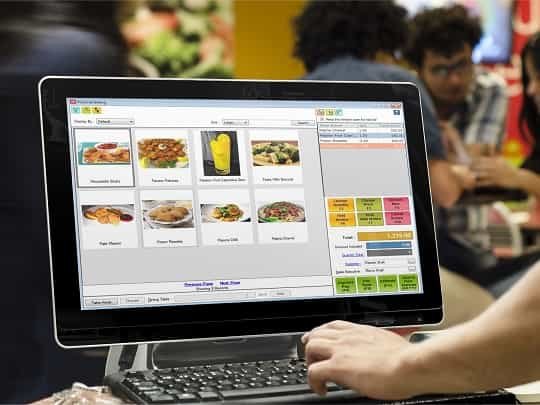
Inventory platforms often integrate with restaurant point-of-sale systems to track ingredient usage based on menu sales.
For example, when a customer orders a menu item, the system automatically deducts ingredient quantities from inventory.
Reporting and Analytics
Detailed reports help restaurants analyze:
- Food costs
- Inventory turnover
- Vendor performance
- Waste levels
- Purchasing trends
- Profit margins
These insights support smarter operational planning.
Why Are Restaurants Moving Away from Manual Inventory Tracking?
Traditional inventory management methods are time-consuming and prone to errors. Spreadsheets and handwritten records often create inconsistencies that affect purchasing accuracy and financial reporting.
Human Error Reduction
Manual data entry increases the risk of counting mistakes, duplicate orders, and inaccurate stock levels.
Automated systems improve accuracy and consistency.
Faster Inventory Counts
Digital inventory tools simplify stock counting through mobile apps, barcode scanning, and automated tracking.
Better Data Accessibility
Cloud-based inventory systems allow restaurant managers to access information remotely from multiple locations.
Improved Decision-Making
Real-time reporting gives restaurant operators better control over purchasing, staffing, and menu planning.
How Can Inventory Systems Improve Restaurant Profitability?
Restaurant profit margins are often narrow, making operational efficiency extremely important.
Reduces Excess Spending
Inventory systems identify over-purchasing patterns and help control unnecessary expenses.
Minimizes Theft and Loss
Tracking inventory movement helps restaurants identify discrepancies caused by theft, waste, or mismanagement.
Improves Menu Profitability
Restaurants can analyze ingredient costs and adjust menu pricing based on real-time inventory data.
Enhances Forecasting Accuracy
Sales and inventory trends help businesses forecast future purchasing needs more effectively.
What Features Should Restaurants Look for in an Inventory System?
Choosing the right inventory platform requires careful evaluation of operational needs and business size.
Vendor Management Tools
Restaurants should look for systems that centralize supplier contacts, invoices, pricing, and order history.
Mobile Accessibility
Mobile-friendly systems allow managers to monitor inventory and approve orders from anywhere.
POS Integration
Integration with point-of-sale systems improves accuracy and automates ingredient tracking.
Reporting Capabilities
Detailed analytics help restaurants identify inefficiencies and improve operational performance.
User-Friendly Interface
Simple and intuitive software reduces training time and improves staff adoption.
Why Is Real-Time Data Important in Restaurant Operations?
Restaurant environments change quickly. Managers need accurate and current information to make fast operational decisions.
Immediate Inventory Visibility
Real-time tracking helps restaurants avoid unexpected shortages during busy service hours.
Faster Response to Supply Issues
Restaurants can quickly adjust orders or menu offerings if vendor delays occur.
Better Financial Planning
Accurate inventory data supports budgeting and cash flow management.
How Do Inventory Systems Support Multi-Location Restaurants?
Restaurant chains and franchise operations face even greater inventory management challenges because they must coordinate purchasing and stock levels across multiple locations.
Centralized Management
Corporate teams can monitor inventory performance across all restaurant locations from one platform.
Standardized Ordering
Inventory systems help ensure consistency in ingredient purchasing and vendor usage.
Improved Reporting
Chain-wide analytics provide insights into operational performance and food cost trends.
Businesses using advanced systems from providers like Chain Service Solutions often benefit from centralized inventory visibility that simplifies multi-location management.
How Does Vendor Management Improve Supply Chain Efficiency?
A well-organized supply chain is critical for restaurant success. Inventory systems help restaurants build stronger supplier relationships while improving operational consistency.
Automated Communication
Digital ordering systems simplify communication between restaurants and vendors.
Better Forecasting
Restaurants can predict future purchasing needs based on sales patterns and seasonal demand.
Reduced Delivery Errors
Automated purchase orders improve order accuracy and reduce misunderstandings.
Enhanced Vendor Evaluation
Restaurants can track supplier reliability and make informed vendor selection decisions.
Why Are Cloud-Based Inventory Systems Becoming More Popular?
Cloud technology has transformed restaurant management software by improving accessibility and flexibility.
Remote Access
Managers can monitor inventory and approve purchases from smartphones, tablets, or computers.
Automatic Software Updates
Cloud systems remain updated without requiring manual installations.
Improved Data Security
Cloud platforms often provide secure backups and protected data storage.
Scalability
Restaurants can easily expand system usage as business operations grow.
How Does Inventory Management Impact Customer Satisfaction?
Inventory problems can directly affect customer experiences.
Prevents Menu Item Shortages
Restaurants can maintain better ingredient availability and reduce out-of-stock menu items.
Supports Consistent Food Quality
Proper inventory tracking ensures fresh ingredients are rotated and used correctly.
Faster Service Operations
Organized inventory improves kitchen efficiency and reduces delays during busy periods.
What Challenges Can Restaurants Avoid with Better Inventory Systems?
Restaurants without proper inventory systems often face several operational problems.
Excessive Food Waste
Over-ordering and poor stock rotation increase waste and spoilage.
Vendor Miscommunication
Manual ordering processes can create delivery errors and pricing confusion.
Financial Inaccuracy
Untracked inventory affects budgeting, reporting, and profitability analysis.
Operational Delays
Disorganized inventory systems slow down purchasing and kitchen operations.
Why Are Restaurants Investing More in Technology?
The restaurant industry continues adopting technology to improve efficiency, reduce costs, and enhance customer experiences.
Inventory management systems are now viewed as essential operational tools rather than optional software upgrades.
Restaurants increasingly recognize the importance of automation, real-time reporting, and centralized management for long-term business success.
Companies like Chain Service Solutions help restaurants modernize inventory and vendor management processes through technology-driven operational solutions.
How Can Smaller Restaurants Benefit from Inventory Systems?
Inventory software is not only for large restaurant chains. Small and independent restaurants also benefit significantly from organized inventory management.
Better Budget Control
Small businesses often operate on tighter margins, making cost control extremely important.
Simplified Ordering
Automated purchasing saves time and reduces management stress.
Improved Operational Organization
Even smaller restaurants benefit from clearer inventory visibility and reduced waste.
What Trends Are Shaping Restaurant Inventory Management?
Technology continues evolving rapidly within the restaurant industry.
AI and Predictive Analytics
Advanced systems now use artificial intelligence to forecast purchasing needs more accurately.
Mobile Inventory Apps
Mobile counting and inventory tracking improve operational flexibility.
Integrated Restaurant Platforms
Restaurants increasingly seek systems that combine POS, inventory, scheduling, and vendor management into one platform.
Sustainability Focus
Waste reduction and sustainability initiatives are driving interest in more precise inventory tracking.
Why Are Accurate Food Costs So Important?
Food costs are one of the largest operational expenses in the restaurant business.
Even small inventory inaccuracies can significantly impact profitability over time.
Inventory systems help restaurants:
- Track ingredient usage
- Monitor price fluctuations
- Calculate recipe costs
- Improve menu pricing strategies
Better cost visibility supports healthier financial performance.
Final Thoughts
A restaurant food vendor inventory system has become an essential tool for modern restaurant management. As food costs rise and operational complexity increases, restaurants need accurate, efficient, and automated solutions to maintain profitability and service quality.
From reducing waste and controlling food costs to improving vendor coordination and forecasting accuracy, inventory systems provide valuable operational advantages for restaurants of all sizes.
Whether managing a single location or a large restaurant chain, businesses benefit from improved visibility, streamlined purchasing, and better decision-making through advanced inventory management technology.
As the restaurant industry continues evolving, providers like Chain Service Solutions help businesses modernize inventory operations and build more efficient supply chain systems that support long-term success.