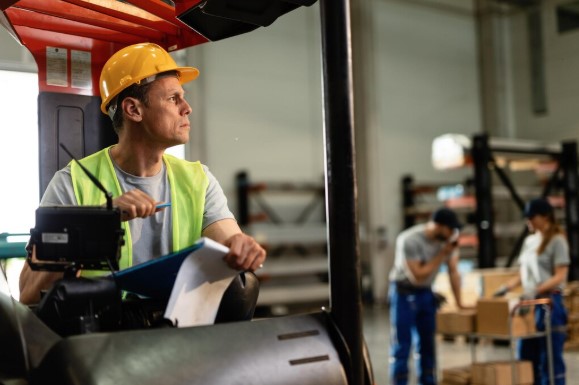
Forklifts are a vital part of many Australian workplaces, particularly in warehouses, construction sites, manufacturing facilities, and distribution centres. While these machines are designed to improve efficiency and reduce manual handling, they can also pose serious risks if not operated correctly. Forklift Driver Training plays a critical role in reducing workplace accidents, protecting workers, and ensuring operations run safely and smoothly. Without proper training, even experienced workers may unknowingly place themselves and others at risk.
In Australia, forklift-related incidents remain a leading cause of serious workplace injuries. These incidents often result from poor awareness, unsafe operating practices, or a lack of understanding of site-specific hazards. Comprehensive training helps address these issues by equipping operators with the skills, knowledge, and confidence needed to handle forklifts responsibly.
The Importance of Forklift Driver Training for Workplace Safety
Forklift Driver Training is not just about learning how to drive a machine. It involves understanding safety regulations, identifying hazards, and applying best practices in real-world environments. Proper training supports safer workplaces and helps organisations meet their work health and safety obligations.
Reducing Workplace Accidents and Injuries
One of the most significant benefits of forklift training is the reduction of workplace accidents. Forklifts are heavy, powerful machines that can cause serious injuries if mishandled. Common incidents include tip-overs, collisions with pedestrians, and dropped loads.
Training ensures operators understand safe driving techniques, load handling limits, and correct turning and braking methods. When operators are properly trained, they are more likely to anticipate risks, react appropriately, and avoid dangerous situations. This leads to fewer injuries and a safer working environment for everyone on site.
Improving Hazard Awareness
Australian workplaces often involve complex layouts, shared spaces, and varying environmental conditions. Forklift drivers must be aware of hazards such as uneven surfaces, blind corners, pedestrian traffic, and low visibility areas.
Forklift Driver Training helps operators recognise these hazards and adjust their driving behaviour accordingly. This includes maintaining safe speeds, using warning signals, and following designated travel paths. Increased hazard awareness significantly lowers the risk of accidents and near misses.
Ensuring Compliance with Australian Safety Regulations
Work health and safety laws in Australia place clear responsibilities on both employers and workers to ensure machinery is operated safely. Forklifts fall under high-risk work equipment, and operators are expected to be competent and trained.
Training helps ensure compliance with national and state safety regulations, reducing the likelihood of legal issues, fines, or penalties following an incident. More importantly, it promotes a strong safety culture where workers understand their responsibilities and take safety seriously.
Enhancing Operator Confidence and Competence
Untrained or undertrained forklift operators may feel uncertain or overwhelmed when operating equipment in busy environments. This lack of confidence can lead to hesitation, poor judgement, or unsafe shortcuts.
Forklift Driver Training builds confidence by providing operators with structured knowledge and hands-on experience. Confident operators are more likely to make informed decisions, operate equipment smoothly, and respond effectively in unexpected situations. This competence contributes to safer and more productive workplaces.
Protecting Pedestrians and Other Workers
Forklift-related accidents often involve pedestrians rather than the operators themselves. In busy workplaces, forklifts frequently share space with other workers, increasing the risk of collisions.
Training emphasises the importance of pedestrian safety, including maintaining clear visibility, following site rules, and understanding right-of-way procedures. Operators learn how to communicate effectively with others on site, reducing misunderstandings and improving overall safety.
Minimising Equipment Damage and Downtime
Unsafe forklift operation can lead to damaged stock, racking systems, and equipment. These incidents not only pose safety risks but also result in costly repairs and operational downtime.
Forklift Driver Training teaches correct handling techniques that help prevent unnecessary wear and damage. Skilled operators are less likely to overload forklifts, strike shelving, or operate equipment beyond its limits. This contributes to safer workplaces and more efficient operations.
Supporting a Strong Workplace Safety Culture
Safety culture is shaped by the attitudes and behaviours of everyone in the workplace. When forklift operators are properly trained, they set a positive example for others by following procedures and prioritising safety.
Training reinforces the importance of accountability and continuous improvement. Workers become more aware of their surroundings and are more likely to report hazards or unsafe practices. Over time, this creates a proactive safety culture that benefits all employees.
Adapting to Changing Workplace Conditions
Australian workplaces are constantly evolving, with changes in layout, equipment, and work processes. Forklift drivers need to adapt to these changes while maintaining safe practices.
Forklift Driver Training provides a strong foundation that allows operators to adjust to new conditions safely. Trained drivers are better equipped to assess risks, follow updated procedures, and maintain safety standards as workplaces change.
Long-Term Benefits for Workers and Workplaces
Investing in forklift training delivers long-term benefits beyond immediate safety improvements. Workers gain valuable skills that support their professional development, while workplaces benefit from reduced incidents, improved efficiency, and lower insurance costs.
Over time, fewer accidents mean less disruption, improved morale, and a safer environment where employees feel valued and protected. These outcomes contribute to stronger, more sustainable workplaces across Australia.
Conclusion
Forklift Driver Training is essential for maintaining workplace safety in Australian industries that rely on material handling equipment. By reducing accidents, improving hazard awareness, and supporting compliance with safety regulations, training plays a vital role in protecting workers and operations. Well-trained forklift operators are more confident, capable, and safety-focused, helping create workplaces where risks are managed effectively and everyone can work safely.
Tags : .....