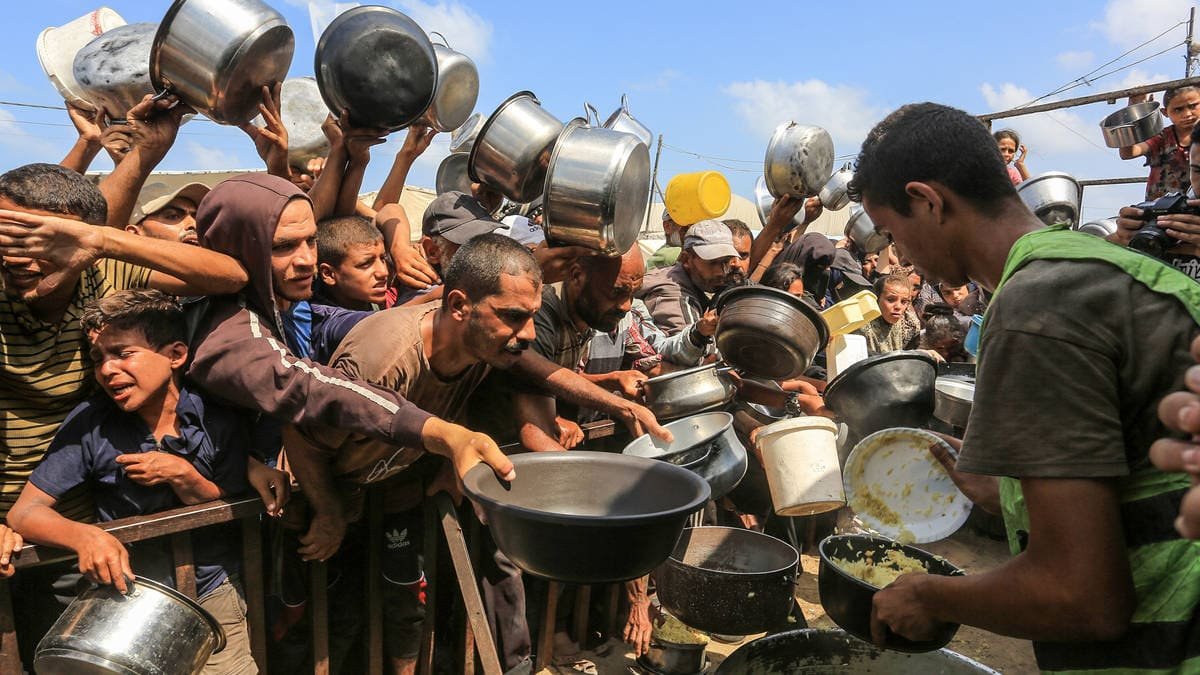
Food is one of the most basic needs for every family. It gives people the energy and strength needed to live, work, learn and care for others. However, during times of conflict and crisis, many families can struggle to access enough nutritious food. Children, older people and vulnerable families can be affected the most when regular access to meals becomes difficult. Providing Food For Gaza can therefore play an important role in helping families meet their daily needs and find some relief during challenging times.
For families living through difficult circumstances, food support can mean much more than simply receiving a meal. It can provide comfort, security and hope. Knowing that there is food available for the family can reduce some of the pressure faced by parents and carers.
Food Is Essential for Daily Life
Everyone needs regular and nutritious food to stay healthy. A balanced diet helps provide energy and supports the body's normal functions. For children, healthy food is especially important because their bodies and minds are still developing.
When families do not have reliable access to food, everyday life can become much harder. Parents may worry about how they will provide the next meal, while children may not receive the nutrition they need. Food support helps address an immediate and important need by providing meals and essential supplies.
Basic food items can help families prepare meals that are suitable for everyone in the household. Depending on what is available, food assistance may include items such as rice, flour, cooking oil, vegetables, beans and other essential products.
Supporting Children and Their Development
Children are often among the most vulnerable people during a humanitarian crisis. They need regular meals to support their growth, learning and general wellbeing. A lack of proper nutrition can make it harder for children to stay active and healthy.
Food assistance can help families provide regular meals for their children. Even simple meals can make an important difference when food is difficult to access.
For children, sharing a meal with their family can also provide a sense of comfort and routine. During uncertain times, familiar activities such as eating together can help create moments of stability.
Supporting families with food can therefore have a positive impact on children as well as their parents and carers.
Helping Parents Care for Their Families
Parents naturally want to make sure their children have enough to eat. However, during a crisis, finding and buying food can become extremely difficult.
When food supplies are limited or household incomes are affected, parents may face difficult choices about how to use the resources they have. Food support can reduce some of this pressure by helping provide essential items for the household.
This assistance allows parents to focus on other important needs, such as caring for children, finding shelter and looking after older or vulnerable family members.
For many families, receiving food assistance can provide peace of mind during an uncertain period.
Food Support Can Bring Communities Together
Food assistance is not only about individual families. It can also support entire communities.
When people and organisations work together to provide food, they can help reach families who are facing serious difficulties. Community support can create a stronger sense of connection and remind people that they are not facing their challenges alone.
Shared efforts can include preparing meals, distributing food parcels and supporting kitchens that provide meals to people in need.
These activities can help large numbers of people while also bringing communities together around a common purpose.
The Importance of Nutritious Food
Providing enough food is important, but the quality and variety of food also matter. People need different nutrients to support their health and wellbeing.
A nutritious diet can include carbohydrates for energy, protein to support the body, and vitamins and minerals from a variety of foods. Where possible, food support should aim to provide a range of useful and suitable items.
Children, pregnant women, older people and those with additional needs may require particular attention when food is being provided.
Humanitarian food programmes often consider the nutritional needs of different groups when planning assistance. This can help make sure that food support is as useful as possible for the people receiving it.
Food Parcels Can Help Families Prepare Meals
Food parcels can provide families with a selection of essential ingredients that can be used to prepare meals at home.
A typical food parcel may contain products with a longer shelf life, making them easier to store when conditions allow. Items such as flour, rice, pasta, lentils and cooking oil can help families prepare several meals.
The exact contents of a food parcel can vary depending on local needs and available supplies. What matters most is that the support reaches families in a safe and useful way.
For a family facing food shortages, receiving essential ingredients can make a real difference to their daily routine.
Supporting Dignity and Independence
Food assistance should always aim to support people with dignity and respect. Families are individuals with their own needs, preferences and circumstances.
When possible, giving people suitable choices can help them prepare meals that work for their families. Different forms of assistance may be appropriate in different situations, depending on what is available and what can be delivered safely.
Respecting the dignity of families is an important part of humanitarian support. People receiving help should be treated with kindness and understanding.
Food assistance is about supporting people during a difficult time, not simply delivering supplies.
Why Support From the UK Can Make a Difference
Many people in the UK want to help families affected by humanitarian emergencies around the world. Donating to trusted organisations and appeals can be one way for individuals to support humanitarian work.
Even when people live far away, collective support can contribute to larger efforts to provide food and other essential assistance.
Before donating, it is important to learn about the organisation and understand how it works. People may wish to check whether a charity is registered and find information about its humanitarian projects.
Regular support can also be valuable, as humanitarian needs may continue for long periods.
For individuals and families in the UK, giving to a reliable appeal can be a practical way to show care and support for people facing difficult circumstances.
Food Assistance Provides More Than Meals
A meal may only take a short time to eat, but its importance can last much longer.
Food can give a child the energy to play and learn. It can help parents feel more able to care for their families. It can provide older people with important nutrition and comfort.
For families living through uncertainty, knowing that help is available can also bring reassurance.
This is why food support matters. It responds to one of the most basic human needs while helping families cope with difficult circumstances.
Conclusion
Food is essential for health, wellbeing and daily life. When families struggle to access enough to eat, the effects can be felt throughout the entire household.
Providing food support can help parents care for their children, support vulnerable people and give families access to essential meals. It can also reduce worry and bring communities together during difficult times.
For people in the UK who want to help, supporting trusted humanitarian organisations can contribute to wider efforts to provide essential assistance. Every effort to support families with basic needs can make a meaningful difference.
By recognising the importance of food assistance and continuing to support humanitarian efforts, individuals and communities can help provide relief, dignity and hope to families facing challenging circumstances.
Tags : .....