Why Every Wind Power Event Is Now Focusing on AI-Led Operational Efficiency
By Leadvent Group 25-05-2026 133
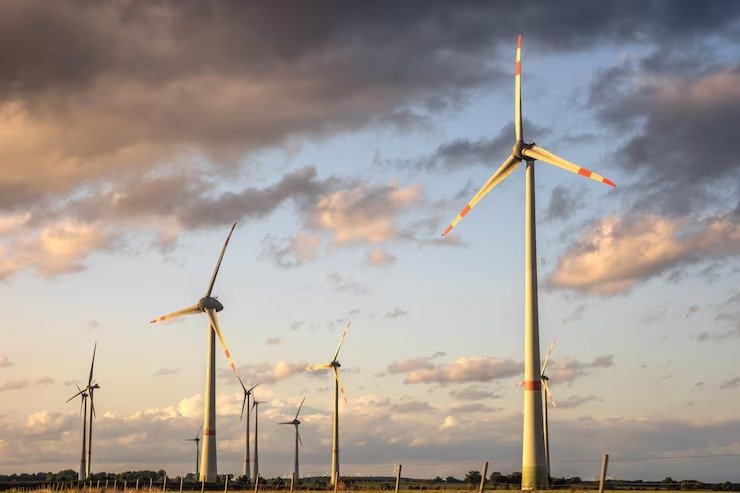
The energy world is changing faster than ever before. Wind power has become one of the most important sources of clean electricity across the globe, powering millions of homes and businesses every year. But as the industry grows, so do its challenges. Managing large wind farms, keeping machines running smoothly, and cutting down on costs are problems that operators deal with every single day. That is exactly why artificial intelligence has moved to the center stage of the wind energy conversation. Industry gatherings around the world are now dedicating significant time and sessions to this one topic: how AI is making wind energy operations smarter and more reliable.
The Growing Pressure on Wind Energy Operators
Running a wind farm is not as simple as it looks. Turbines need constant monitoring, weather patterns need to be tracked, and unexpected breakdowns can cost operators thousands of dollars within hours. On top of that, energy grids demand a steady and predictable supply, which is hard when wind is naturally unpredictable. Traditional manual methods of managing all this are slow and often inefficient. Operators needed a better solution, and AI delivered one.
How AI Is Changing Day-to-Day Operations
Artificial intelligence brings something that human teams simply cannot match at scale: the ability to process enormous amounts of data in real time and act on it immediately. AI systems can analyze weather data, sensor readings, and performance history all at once to predict what will happen next and make adjustments automatically.
For example, AI can optimize the angle of blades on a wind turbine based on real-time wind conditions. This small but constant adjustment can improve energy output by several percentage points over time. While that may not sound like much, across hundreds of machines running for years, the gains become enormous. AI also monitors the health of each machine and flags problems before they turn into expensive failures.
Case Study 1: Siemens Gamesa and Predictive Maintenance
Siemens Gamesa, one of the world's largest wind energy companies, has been using AI-powered predictive maintenance across its turbine fleet. By analyzing vibration data, temperature readings, and operational patterns, their AI system can detect early signs of mechanical failure weeks before it actually occurs. According to the company, this approach has helped reduce unplanned downtime significantly and has cut maintenance costs by improving the scheduling of repair crews and parts delivery. This real-world example shows how AI is not just a theory but a proven tool that saves money and improves reliability.
Case Study 2: Orsted and Energy Yield Optimization
Danish energy giant Orsted worked with AI technology to improve the energy yield from its offshore wind farms. Using machine learning models that learn from historical production data and live weather inputs, the system continuously adjusts turbine settings to capture the maximum amount of energy from available wind. Orsted reported measurable improvements in overall farm output, demonstrating that AI-led optimization is not limited to maintenance alone but extends to daily performance improvements as well.
Why Industry Events Are Taking Notice
When results like these become public, the broader industry pays attention. Conference organizers, speakers, and attendees have responded by making AI a central theme in almost every major gathering focused on renewable energy. Sessions on digital twins, machine learning for performance monitoring, and AI-driven grid integration are now standard agenda items. Professionals attend these events to learn, compare notes, and understand what competitors are doing. The fact that AI topics consistently draw the largest audiences tells you everything about where priorities now lie.
What This Means for the Future
The shift toward AI is not a temporary trend. As wind farms grow larger and move further offshore, remote monitoring and automated decision-making will become even more necessary. AI will also play a bigger role in helping wind farms integrate smoothly with electricity grids, balancing supply and demand more intelligently than any manual process could. Companies that invest early in AI capabilities are already seeing returns, and those that wait risk falling behind.
Conclusion
The wind energy industry is at a turning point. Operational efficiency is no longer optional, and AI has proven itself as the most effective tool to achieve it. Every major windpower event today reflects this shift, with agenda after agenda focused on how artificial intelligence is helping the industry produce more energy at lower cost with fewer surprises. For anyone working in or around wind energy, understanding AI is no longer just a bonus. It is becoming a basic requirement.
Frequently Asked Questions
1. What does AI actually do in a wind farm?
AI analyzes data from sensors, weather systems, and operational logs to optimize turbine performance, predict equipment failures, and reduce downtime. It allows operators to make faster and more accurate decisions without manual intervention.
2. Is AI in wind energy already being used commercially?
Yes. Major companies like Siemens Gamesa, Orsted, GE Vernova, and Vestas are already using AI tools in real-world operations. The technology is no longer experimental but is actively delivering measurable results.
3. How does AI help reduce maintenance costs?
AI detects early warning signs of mechanical wear or failure before a breakdown happens. This allows maintenance teams to schedule repairs at the right time with the right parts, avoiding costly emergency responses and unplanned shutdowns.
4. Can AI improve energy output from existing wind farms?
Yes. AI can continuously adjust turbine settings such as blade pitch and yaw orientation based on live wind data. These small but consistent improvements can increase energy yield without requiring any new hardware investments.
5. Will AI replace human workers in the wind energy sector?
Not entirely. AI handles data analysis, monitoring, and automated adjustments, but human experts are still needed to interpret complex situations, perform physical maintenance, and make strategic decisions. AI is best understood as a tool that supports and enhances the work of skilled professionals rather than replacing them.