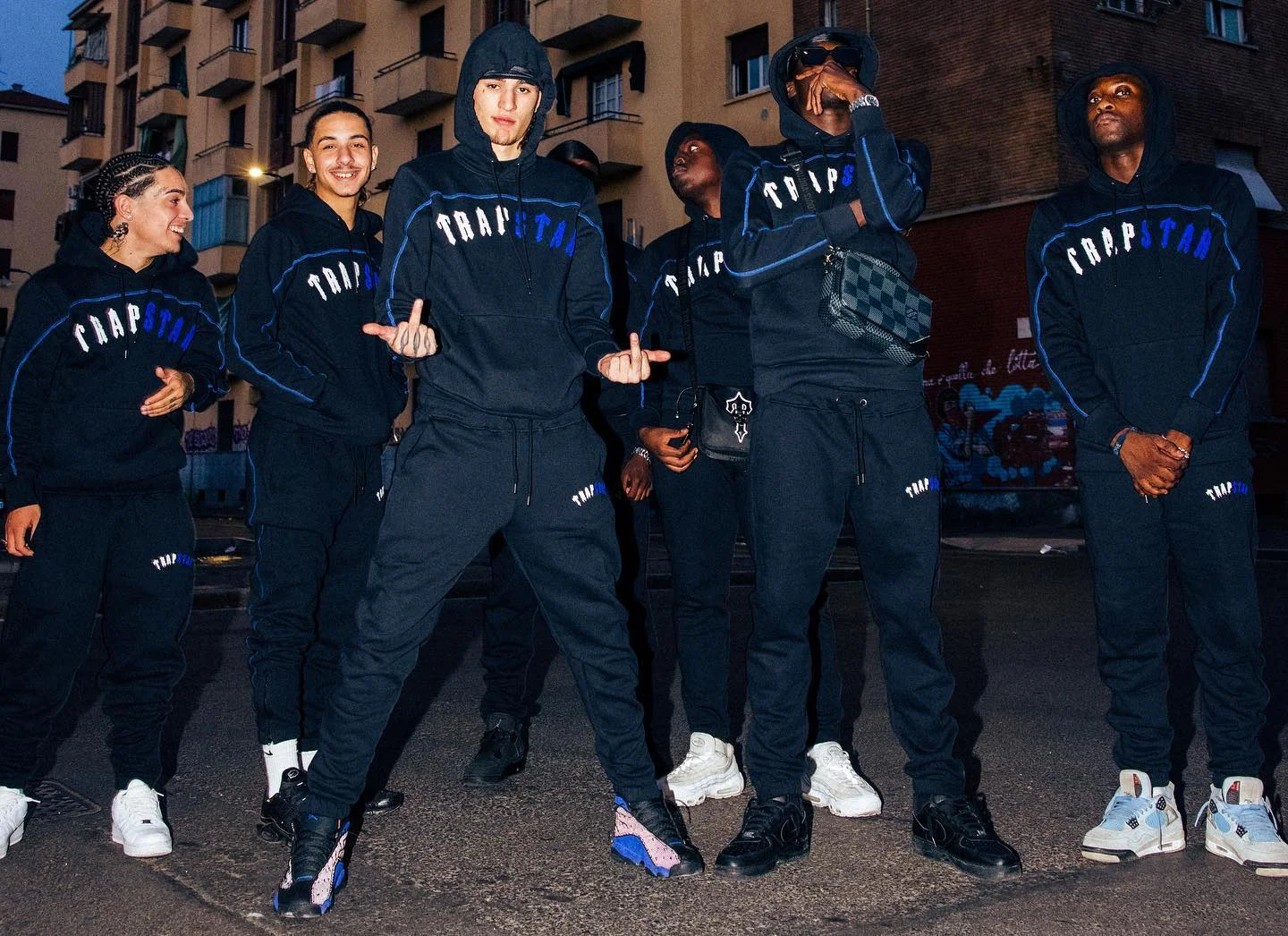
Why does Trapstar control narrative so well in an industry where trends move faster than attention spans? The answer begins with intention. From its early street drops to global recognition, Trapstar never positioned itself as just another clothing label. It built a voice before it built volume. Instead of over-explaining collections or chasing validation, the brand allowed curiosity to grow naturally. That sense of controlled mystery made people lean in rather than scroll past. Fashion today often feels overshared, but Trapstar understands the power of withholding. By revealing only what feels necessary, it shapes perception rather than reacting to it. This careful balance between visibility and silence gives it narrative authority. People don’t just wear the clothing; they buy into the story. When a brand owns its storytelling rhythm, it doesn’t just participate in culture; it influences it. That is where true control begins.
Why Does Mystery Strengthen Brand Identity?
Why does mystery work so powerfully in modern streetwear culture? Because scarcity creates desire, and curiosity builds conversation. Trapstar mastered the art of saying less while meaning more. Limited drops, coded graphics, and subtle messaging make each release feel intentional. Instead of flooding the market, the brand allows anticipation to build. This approach transforms clothing into a statement rather than a product. When customers feel like insiders, loyalty deepens. The brand narrative becomes a shared secret between creator and consumer. In a digital era where brands overshare behind-the-scenes content daily, restraint feels refreshing. Trapstar uses this restraint as a storytelling device. The logo placement, typography, and campaign visuals all carry meaning without loud explanation. That subtlety gives it long-term strength. Mystery isn’t confusion; it’s confidence. And confidence in branding always resonates louder than noise.
How Does Cultural Alignment Shape the Story?
How can a clothing brand remain culturally relevant without appearing forced? The key lies in authentic alignment. Trapstar grew from real street culture rather than corporate boardrooms. That organic origin influences how the narrative feels grounded, raw, and relatable. Instead of borrowing aesthetics, the brand reflects lived experiences. Collaborations, celebrity endorsements, and community connections never feel random. They fit into a larger vision. When a label grows alongside music, art, and youth expression, its storytelling becomes multidimensional. The audience recognizes authenticity immediately. Trapstar does not chase culture; it moves with it. This natural rhythm strengthens its authority. Every hoodie, jacket, or graphic tee feels like part of a bigger cultural dialogue. That dialogue shapes perception over time. Brands that genuinely understand their audience don’t need to shout. Their presence speaks for itself.
Why Is Consistency More Powerful Than Hype?
Why do some brands fade after viral success while others sustain momentum? Consistency is the difference. Trapstar maintains a recognizable identity across seasons. The visual language, tone, and messaging stay aligned even when designs evolve. That consistency builds trust. Customers know what the brand represents before they even see a new collection. While hype can attract attention, stability keeps it. By staying true to its aesthetic roots, Trapstar avoids dilution. It doesn’t abandon its DNA for short-term trends. This discipline protects the narrative from fragmentation. In fashion, storytelling must feel cohesive across platforms from social media to retail displays. When a brand repeats its core message with refinement rather than repetition, it gains credibility. That credibility translates into control. Hype creates noise, but consistency builds legacy.
How Does Visual Storytelling Amplify Influence?
How much can visuals shape perception before a single word is spoken? In fashion, almost everything. Trapstar invests heavily in imagery that communicates mood and identity. Campaign photography often feels cinematic, urban, and emotionally charged. The styling choices reinforce a rebellious yet polished attitude. Rather than relying on lengthy explanations, visuals tell the story instantly. Streetwear thrives on symbolism, logos, typography, and placement. Trapstar uses these elements deliberately. Each design detail feels intentional, not accidental. Visual coherence strengthens brand memory. When people see a piece from across the room, they recognize its origin without reading a label. That recognition is narrative control in action. The brand doesn’t just sell garments; it sells atmosphere. Strong visuals ensure that the atmosphere remains consistent across global markets.
Why Does Community Loyalty Protect the Narrative?
Why do some brands struggle with backlash while others maintain support through challenges? Community loyalty makes the difference. Trapstar built relationships before it built mass appeal. Early supporters felt part of a movement, not just a customer base. That emotional investment creates long-term advocacy. When a brand listens to its audience and reflects their identity, loyalty strengthens. Trapstar understands that streetwear is about belonging. Drops feel like events because the community anticipates them together. Social proof spreads organically when people proudly share their purchases. That shared pride reinforces the narrative externally. Instead of defending its image constantly, the brand benefits from loyal voices who protect it. Narrative control becomes collective rather than corporate. In today’s fashion landscape, that collective strength is rare and powerful.
How Does Trapstar Balance Evolution With Identity?
How can a brand grow globally without losing its edge? Evolution must happen without erasing the origin. Trapstar expands thoughtfully, ensuring each new move aligns with its foundation. Whether entering new markets or experimenting with fresh silhouettes, the core identity remains intact. That stability reassures loyal customers while attracting new audiences. Growth does not mean abandoning what made the brand special. Instead, it means refining it. Trapstar navigates this balance carefully, allowing innovation without confusion. Strategic collaborations, controlled releases, and consistent messaging prevent dilution. The narrative evolves, but it never resets. That steady progression keeps the brand relevant without appearing desperate for attention. By understanding when to adapt and when to stand firm, Trapstar maintains authority over its story. In fashion, control is not about dominance; it is about clarity. And clarity ensures that the narrative remains intentional, impactful, and entirely its own.
Tags : Fashion Business Trapstar Trapstar Hoodie