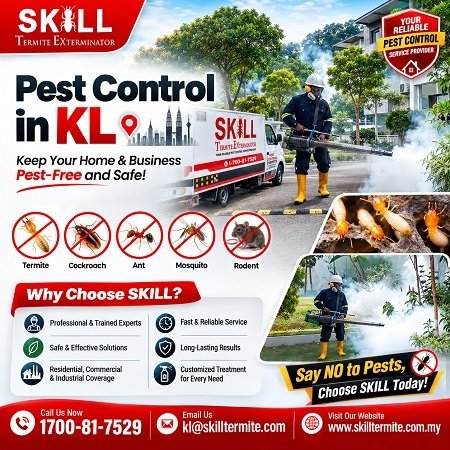
Businesses in Kuala Lumpur need routine pest control because Malaysia's tropical climate creates year-round conditions for pests like cockroaches, rodents, and termites to thrive. A single infestation can trigger regulatory action, damage customer trust, and result in costly closures. Regular pest management prevents these risks before they escalate into reputation-damaging crises.
If you run a business in KL, pest control is not a one-time fix. It is an ongoing commitment. Whether you manage a restaurant in Bangsar, a corporate office in KLCC, or a retail outlet in Bukit Bintang, pest threats are constant. Investing in pest control KL services on a routine schedule is one of the smartest operational decisions you can make.
Why KL Businesses Face a Higher Pest Risk
Kuala Lumpur's humidity, dense urban infrastructure, and year-round warmth make it one of the most pest-prone commercial environments in Southeast Asia. According to Malaysia's Department of Public Health, high-density commercial zones like food courts, markets, and office towers are priority areas for vector control monitoring.
Common commercial pests in KL include:
- Cockroaches — thrive in kitchens, drains, and server rooms
- Rodents — gnaw on electrical wiring and contaminate food storage
- Termites — silently destroy wooden structures and furniture
- Mosquitoes — a health risk, particularly post-monsoon
- Ants and flies — common in food-handling areas
These are not occasional visitors. Without a structured treatment plan, they multiply fast and move freely between units in shared commercial buildings.
How Pest Infestations Damage Business Reputation
Reputation damage from a pest sighting can be instant and long-lasting. A customer who spots a rodent in a restaurant or a cockroach near a hotel reception will almost certainly post about it. In KL's review-driven market, that single incident can cost you dozens of future customers.
The Real Cost Goes Beyond Reviews
Consider what actually happens when an infestation becomes visible:
- Google and TripAdvisor reviews take a direct hit
- Staff morale and productivity drop
- Insurance claims may become complicated
- Regulatory inspections can lead to temporary closure
- Clients and partners reconsider their association with your brand
Malaysia's Food Act 1983 and related regulations require food premises to maintain hygienic conditions. Local authority inspections — particularly by Dewan Bandaraya Kuala Lumpur (DBKL) — can result in compounds or closure orders if pest evidence is found. Routine commercial pest control is not just best practice. It is a compliance requirement.
Commercial Pest Control: What Routine Service Actually Looks Like
Many business owners assume pest control means calling someone when they see a problem. That reactive approach is far more expensive and disruptive than a scheduled prevention plan.
A proper commercial pest control programme typically includes:
- Initial site inspection — identifying entry points, risk zones, and existing activity
- Monthly or quarterly treatments — based on the type of business and infestation risk level
- Documentation and reporting — essential for audits, certifications, and regulatory compliance
- Staff briefings — educating your team on signs of pest activity and hygiene protocols
- Rapid response — priority call-outs between scheduled visits if an issue arises
This structured approach keeps pest pressure low, reduces chemical usage over time, and gives you a documented history — which is valuable if your business is subject to health or food safety audits.
Office Pest Control: Often Overlooked, Always Important
Offices are not immune. Pantry areas, server rooms, and storage spaces are common entry points. Office pest control matters for employee wellbeing, asset protection, and maintaining a professional environment for clients who visit your premises.
Rodents in particular are a serious hazard in office environments. They chew through cables, potentially causing electrical faults and data loss. A rodent problem in a corporate space in Petaling Jaya or Mont Kiara is not just unpleasant — it is a business continuity risk.
Restaurant Pest Control: A Non-Negotiable Standard
For food and beverage businesses, restaurant pest control is tied directly to operating licence compliance. Malaysia's Ministry of Health conducts periodic inspections of food premises under the Food Hygiene Regulations 2009. A failed inspection due to pest evidence can mean immediate suspension of operations.
Beyond compliance, the stakes are higher in F&B because the exposure is constant. Raw ingredients, grease traps, waste bins, and delivery areas all attract pests. A restaurant without a routine pest management contract is operating with an open door to infestation.
What Pest-Resilient Restaurants Do Differently
The best-run food businesses in KL treat pest control as part of their standard operating procedure, not an emergency response. They schedule monthly visits, keep treatment records on file for DBKL inspections, and brief kitchen staff regularly on sanitation standards that support pest prevention.
Choosing the Right Pest Control Partner in KL
Not all providers are equal. When evaluating a pest control company for your business, look for:
| What to Check | Why It Matters
|
|---|---|
| Licensing by the Pesticides Board of Malaysia | Ensures legal compliance and safe chemical use |
| Experience with commercial properties | Different from residential — requires industry-specific knowledge |
| Written service reports | Essential for audit trails and regulatory records |
| Integrated Pest Management (IPM) approach | Reduces chemical dependency, more sustainable long-term |
| Responsive customer support | You need quick action when an issue appears between visits |
Choosing a licensed, experienced partner means you are not just buying a spray service. You are getting a professional risk management system for your premises.
Routine Pest Control Is a Business Investment, Not an Expense
The cost of a routine pest control contract is a fraction of what a single serious infestation can cost you — in emergency treatment fees, regulatory fines, lost revenue during closures, and long-term reputational damage.
Think of it this way: a monthly service visit costs significantly less than one negative viral review, one failed health inspection, or one week of forced closure. For any KL business that serves customers on-site or handles food, pest control is not optional — it is foundational.
Skill Termite provides professional pest control services across Kuala Lumpur, supporting commercial clients with structured treatment plans, licensed technicians, and documented service reporting. If your business is due for a review of its pest management approach, it is a good time to act before the next inspection cycle — not after.
Frequently Asked Questions
How often should a business in KL schedule pest control?
Most commercial businesses in Kuala Lumpur should schedule pest control monthly or quarterly, depending on the industry. Food and beverage businesses typically require monthly visits, while offices may manage with quarterly treatments alongside regular inspections.
Is commercial pest control required by law in Malaysia?
Yes, food premises in Malaysia are legally required to maintain pest-free conditions under the Food Hygiene Regulations 2009. DBKL and the Ministry of Health conduct inspections and can issue compounds or closure orders for non-compliance.
What pests are most common in KL commercial properties?
Cockroaches, rodents, termites, mosquitoes, and ants are the most frequently encountered pests in KL commercial properties. Kitchens, drains, storage areas, and server rooms are the highest-risk zones and should be prioritised in any treatment plan.
Can a pest infestation affect my business licence in Malaysia?
Yes. A pest infestation found during a local authority inspection can jeopardise your operating or food premises licence. Documented evidence of routine professional pest control can support compliance and reduce the risk of enforcement action against your business.
What is the difference between one-time and routine pest control for businesses?
One-time treatments address existing infestations reactively and offer no long-term protection. Routine pest control prevents infestations through scheduled inspections and treatments, provides compliance documentation, and costs significantly less over time than repeated emergency interventions.
How do I choose a reliable pest control company in Kuala Lumpur?
Look for a company licensed by the Pesticides Board of Malaysia, with demonstrated commercial experience, written service reports, and an Integrated Pest Management approach. Reliable providers offer documented treatment records and responsive support between scheduled visits.
Tags : pest control kl