When Should Businesses Apply for Export Promotion of Capital Goods Scheme
By Anthony Parker 15-06-2026 57
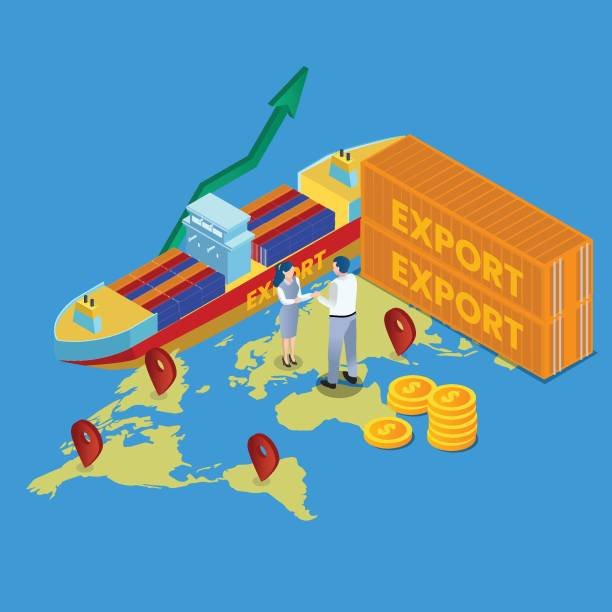
Export-driven businesses constantly seek opportunities to reduce operational costs, improve competitiveness, and expand into international markets. To support exporters, the Government of India offers several trade facilitation schemes that help businesses lower import costs while promoting export growth. Two of the most important programs available to exporters are the Export Promotion of Capital Goods Scheme and Advance Authorisation.
Both schemes are designed to encourage exports by reducing the financial burden associated with imports. While they serve different purposes, they can work together to create substantial cost savings and improve overall business efficiency.
Understanding how these schemes operate can help exporters make informed decisions and maximize available trade benefits.
What Is the Export Promotion of Capital Goods Scheme?
The Export Promotion of Capital Goods Scheme (EPCG Scheme) is a government initiative that allows businesses to import capital goods at concessional customs duty rates.
Capital goods include machinery, equipment, production systems, tools, and technology that support manufacturing or service operations. The primary objective of the Export Promotion of Capital Goods Scheme is to encourage businesses to modernize production facilities and enhance export competitiveness.
In exchange for these benefits, businesses are required to fulfill specific export obligations over a designated period.
The scheme supports industries such as manufacturing, engineering, pharmaceuticals, textiles, food processing, electronics, and various service sectors.
Key Benefits of the Export Promotion of Capital Goods Scheme
The scheme provides several advantages for export-oriented organizations.
Reduces Capital Expenditure
Modern technology often requires substantial investment.
- The Export Promotion of Capital Goods Scheme allows businesses to import advanced machinery at reduced duty rates, making technology upgrades more affordable.
- Reduced investment costs help businesses allocate resources toward innovation, production expansion, employee training, and market development initiatives.
Enhances Production Efficiency
Advanced equipment improves operational performance.
- Businesses can increase production capacity, improve product quality, and streamline manufacturing processes through modern technologies.
Strengthens Export Competitiveness
Efficiency drives international success.
- Lower production costs and improved quality standards help exporters compete more effectively in global markets.
Understanding Advance Authorisation
Advance Authorisation is another export promotion scheme designed to support exporters by allowing duty-free import of raw materials, components, consumables, and packaging materials required for manufacturing export products.
The scheme enables businesses to reduce input costs while fulfilling export commitments. Imported materials must be used in the production of goods that are subsequently exported.
Advance Authorisation plays a critical role in helping exporters manage production expenses and improve profit margins without compromising product quality.
Many export-oriented industries utilize this scheme to maintain competitiveness and expand international business opportunities.
Benefits of Advance Authorisation
Advance Authorisation offers several valuable benefits.
Reduces Manufacturing Costs
Input costs directly affect profitability.
- Duty-free import of raw materials lowers production expenses and helps businesses maintain competitive pricing in international markets.
- Cost savings can be reinvested into business development, product innovation, and export expansion strategies.
Improves Cash Flow Management
Lower upfront expenses support financial stability.
- Businesses can allocate working capital more efficiently instead of tying up funds in customs duties and import-related costs.
Encourages Export Expansion
Lower production costs improve competitiveness.
- Exporters can pursue larger international contracts and enter new markets more confidently when operating costs are reduced.
How the Export Promotion of Capital Goods Scheme and Advance Authorisation Work Together
Although the two schemes serve different purposes, they often complement each other effectively.
For example, a manufacturing company may use the Export Promotion of Capital Goods Scheme to import advanced machinery needed to increase production capacity. At the same time, the company may use Advance Authorisation to import raw materials required for producing export goods without paying customs duties.
The machinery improves efficiency and output, while the duty-free inputs reduce production costs. Together, these benefits help businesses improve profitability while fulfilling export commitments.
Organizations that strategically utilize both programs can often achieve greater operational efficiency and stronger export performance.
Industries That Benefit from Both Schemes
Several sectors gain significant advantages from combining these export promotion initiatives.
Manufacturing Industry
Production efficiency is critical for growth.
- Manufacturers often import sophisticated machinery under the Export Promotion of Capital Goods Scheme while sourcing raw materials through Advance Authorisation to reduce overall production costs.
Textile and Apparel Sector
Cost management influences competitiveness.
- Textile exporters frequently use both schemes to improve production efficiency and maintain attractive pricing in international markets.
Pharmaceutical Industry
Quality and compliance require investment.
- Pharmaceutical companies benefit from importing advanced equipment and specialized ingredients while controlling manufacturing expenses.
Engineering and Industrial Products
Technology drives export success.
- Engineering firms use modern machinery and imported components to produce high-quality products for global markets.
Best Practices for Managing Both Schemes
Businesses can maximize benefits by implementing effective compliance strategies.
Maintain Accurate Documentation
Documentation supports successful compliance.
- Companies should maintain records of imports, exports, invoices, production reports, shipping documents, and authorization approvals to support audits and regulatory reviews.
Monitor Export Obligations Carefully
Tracking performance is essential.
- Businesses should regularly review export commitments to ensure obligations under both schemes are fulfilled within prescribed timelines.
Conduct Internal Compliance Reviews
Regular assessments reduce risk.
- Internal audits help identify potential compliance gaps before they become regulatory issues.
Seek Professional Guidance
Expert support improves efficiency.
- Trade consultants can assist with applications, documentation management, compliance reviews, and ongoing regulatory requirements.
Common Challenges Businesses Face
Despite their advantages, both schemes require careful management.
- Understanding eligibility requirements and documentation procedures may be challenging for new exporters.
- Tracking export obligations across multiple authorizations can increase administrative complexity.
- Maintaining accurate records throughout the authorization period requires disciplined compliance systems.
- Delays in reporting or documentation submission can affect approvals and compliance outcomes.
Businesses that establish structured compliance processes are generally better positioned to overcome these challenges.
Long-Term Benefits for Exporters
Companies that effectively utilize the Export Promotion of Capital Goods Scheme and Advance Authorisation often experience significant long-term advantages.
Lower import costs improve profitability and support expansion initiatives. Modern machinery enhances productivity and product quality, while duty-free raw material imports reduce manufacturing expenses. Together, these benefits strengthen competitiveness and support sustainable export growth.
Additionally, successful compliance builds credibility with regulatory authorities and enhances business reputation within global markets.
As international competition continues to increase, businesses that leverage these schemes strategically gain valuable advantages that contribute to long-term success.
Conclusion
The Export Promotion of Capital Goods Scheme and Advance Authorisation are powerful tools that help exporters reduce costs, improve efficiency, and strengthen their global market position. While the Export Promotion of Capital Goods Scheme supports technology modernization through concessional imports of capital goods, Advance Authorisation enables duty-free import of production inputs required for export manufacturing.
By effectively utilizing both programs, businesses can improve operational performance, strengthen compliance, and achieve sustainable growth in competitive international markets.
Looking to maximize export incentives and improve business efficiency? Consult experienced trade professionals for guidance on the Export Promotion of Capital Goods Scheme and Advance Authorisation to ensure compliance, reduce costs, and accelerate your export growth journey.