Mold can become a serious problem for a business when it is not handled early. It can grow in offices, stores, warehouses, restaurants, rental properties, and other commercial spaces. Moisture from leaks, flooding, plumbing problems, or high humidity can create the right conditions for mold growth.
Knowing when your business needs commercial mold remediation can help you deal with the problem before it spreads. In some cases, you may see mold clearly. In others, you may notice a musty smell or repeated moisture problems without knowing where the mold is coming from.
Signs Your Business May Need Mold Remediation
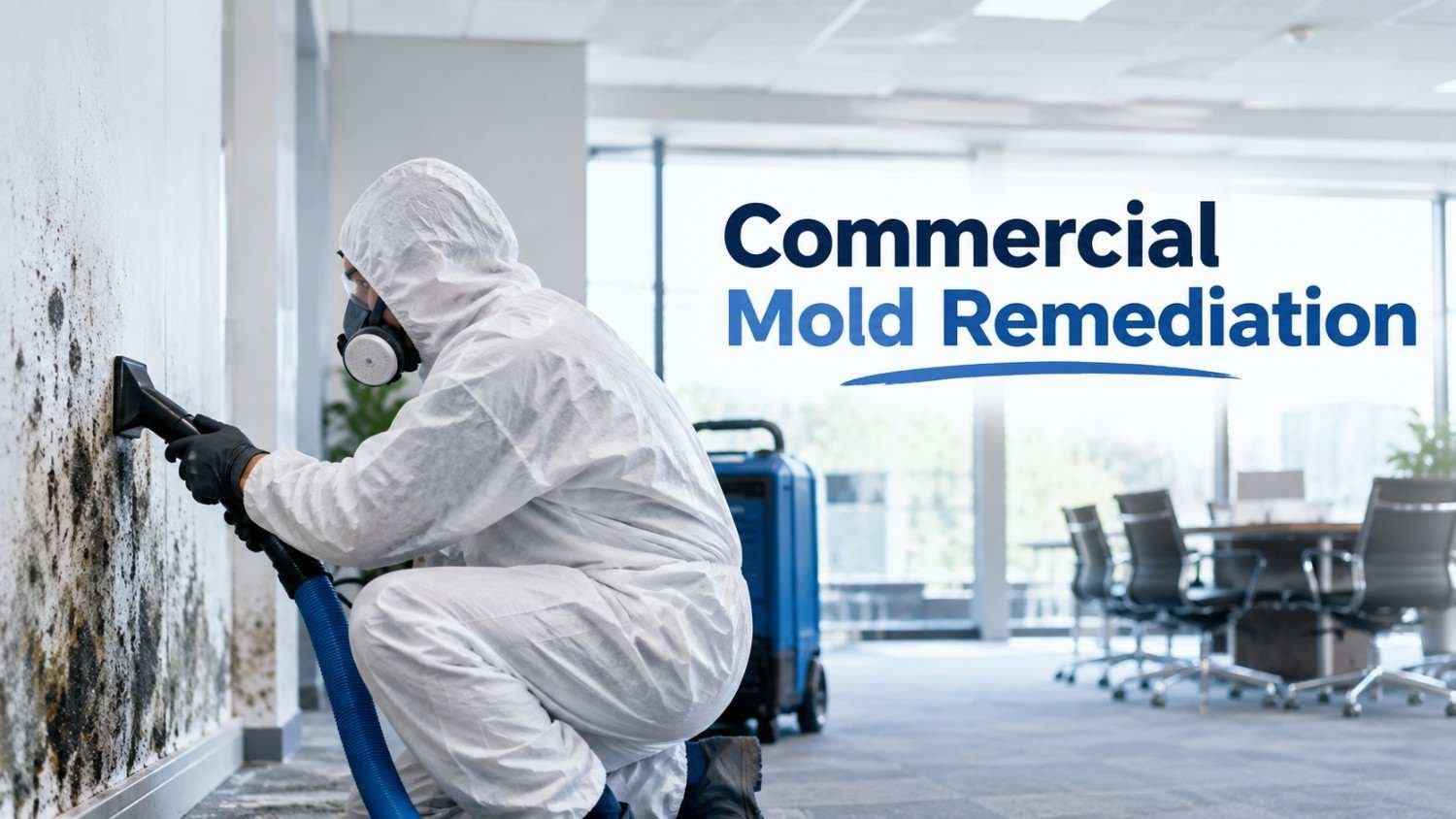
Visible mold is one of the clearest signs that your business may need professional help. Mold can appear on walls, ceilings, floors, furniture, insulation, or other materials. It may look black, green, white, brown, or gray.
A musty smell is another common warning sign. You may notice the smell in a particular office, storage room, basement, bathroom, or other area. If the smell remains after normal cleaning, there may be mold growing in a hidden area.
You should also pay attention to mold that keeps coming back. Repeated growth often means there is still moisture in the area. Cleaning the visible mold without fixing the moisture problem may only provide a temporary solution.
How Water Damage Can Lead to Mold Growth?
Water damage is a common reason commercial buildings develop mold. A leaking roof, broken pipe, plumbing problem, overflowing appliance, or flooding can leave building materials wet.
Even after standing water has been removed, moisture can remain inside walls, floors, ceilings, insulation, and other materials. If these areas do not dry properly, mold can start growing.
This is why businesses should respond quickly after water damage. Finding the source of the moisture and drying the affected areas can help reduce the chance of mold growth.
If mold has already developed after water damage, a professional mold removal service can help identify the affected areas and determine what needs to be cleaned or removed.
When Mold Keeps Coming Back?
Mold that returns after cleaning should not be ignored. It usually means the conditions that allowed the mold to grow are still present.
For example, there may be a hidden plumbing leak, roof leak, poor ventilation, or high humidity. Mold can continue to grow if the moisture source is not corrected.
Repeated mold growth can also make it difficult for a business to keep the affected space clean. Instead of repeatedly cleaning the same area, it is important to find out why the mold is returning.
A professional inspection can help identify moisture problems and determine whether professional mold removal services are needed.
What to Do About Mold in Commercial Buildings?
If you find mold in your business, avoid disturbing large areas of visible growth. Moving items around or attempting to remove extensive mold without proper precautions may spread mold particles to other areas.
Start by looking for possible moisture sources. Check for leaks, water stains, damp materials, condensation, or areas with poor ventilation.
If the affected area is large, the mold keeps returning, or the source is not easy to find, professional help may be appropriate. A mold removal service can inspect the affected area and help determine the next steps.
Businesses should also address the cause of the moisture problem. Cleaning the mold without fixing the source can allow the problem to return.
When Professional Mold Removal Services Are Needed?
Professional help may be needed when mold covers a large area or is located in places that are difficult to access. It can also be useful when mold continues to return after cleaning.
Businesses that have experienced major water damage should also consider checking for hidden mold, especially if materials remained wet for an extended period.
If you find suspected mold that appears dark or black, avoid assuming its exact type based only on its color. If extensive growth is present, black mold removal services may be needed as part of a professional assessment and cleanup process.
The right approach depends on the size of the affected area, the materials involved, and the source of moisture.
How Commercial Mold Remediation Helps Protect Your Property?
Commercial mold remediation focuses on addressing the mold problem and the conditions that allowed it to develop. The work may include inspecting affected areas, finding moisture sources, containing affected spaces when needed, removing damaged materials, and cleaning the area.
Taking action early can help prevent mold from spreading to additional parts of the property. It can also help businesses avoid repeated cleaning caused by an unresolved moisture problem.
Every commercial property is different. An office may have different moisture concerns than a warehouse, restaurant, retail store, or apartment building. For this reason, the right remediation approach depends on the condition of the property.
Preventing Mold Problems in Your Business
Preventing moisture problems is one of the most important steps a business can take to reduce the chance of mold growth.
Check plumbing, roofs, ceilings, HVAC systems, and other areas regularly for leaks or signs of water damage. Fix leaks as soon as they are found and make sure wet materials are dried properly.
Good ventilation can also help reduce excess moisture. Bathrooms, kitchens, storage rooms, and other areas that often become humid should receive proper airflow.
After a flood, plumbing leak, or other water problem, do not wait for mold to appear before taking action. Quick water removal and proper drying can help reduce the risk of a larger mold problem.
Conclusion
Knowing when your business needs commercial mold remediation can help you respond to mold and moisture problems early. Visible mold, musty odors, repeated mold growth, water damage, and high humidity are all signs that deserve attention.
A small mold problem can become harder to manage when the moisture source is left untreated. Cleaning the visible area may not be enough if mold is growing behind walls, under flooring, or in other hidden areas.
If you notice signs of mold in your commercial property, finding the source of the moisture should be an important part of the next step. Professional mold removal services can help businesses understand the problem and address affected areas properly.
Frequently Asked Questions
Can water damage cause mold in a commercial building?
Yes. Water left inside walls, floors, ceilings, or other materials can create conditions where mold can grow. Proper water removal and drying can help reduce this risk.
What should I do if I find black mold?
Avoid disturbing large areas of suspected mold. Look for the source of moisture and consider having the affected area professionally inspected, especially if the growth is widespread.
Can mold return after it has been cleaned?
Yes. Mold can return if the moisture source has not been fixed. Leaks, high humidity, condensation, and poor ventilation can all contribute to recurring mold growth.
How can I prevent mold from growing in my business?
Keep the property dry, repair leaks quickly, control indoor humidity, maintain good ventilation, and respond quickly to water damage. Regular checks can also help identify moisture problems before they become larger issues.
Tags : .....