What to Know Before Combining Multiple Cosmetic Procedures
Most people do not walk into a consultation planning to have three procedures at once. They arrive with one thing on their mind, usually the change that bothers them most, and somewhere in the conversation a second concern slips out. Then a third. By the end of the appointment they are asking a question that surprises even them: could all of this be handled in a single trip to the operating room?
It is a fair thing to wonder, and it comes up more often than most patients expect. Combining procedures can mean one round of anesthesia, one recovery period, and one block of time away from work instead of two stretched across a year. For anyone with limited vacation days, that math is hard to ignore.
But combining is not automatically the better path. It works beautifully for some patients and poorly for others, and the difference usually comes down to details that are easy to overlook when you are excited about the result. Here is what actually matters before you commit to a combined plan.
The Appeal of a Single Surgical Plan
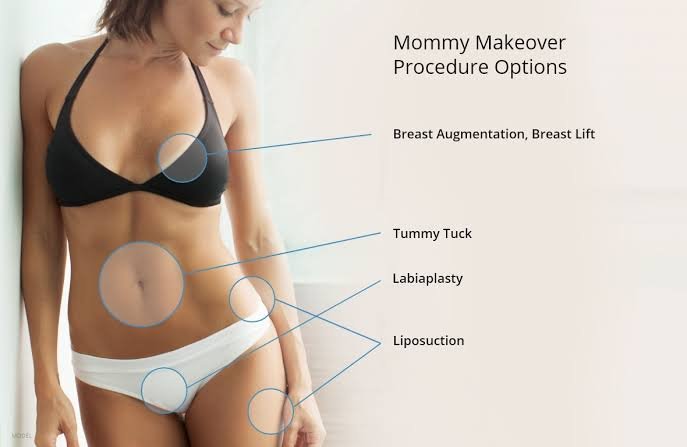
Surgeons group procedures together all the time, and some pairings are so common they have their own shorthand. A mommy makeover typically combines abdominal work with breast surgery, because those two areas change together during pregnancy and nursing, and treating one without the other can leave the overall proportion looking off balance. Facial procedures cluster the same way, since a brow lift, an eyelid procedure, and a neck lift each address a different zone of one face.
There is a practical argument too. One anesthetic, one preoperative workup, one set of facility fees, and one recovery calendar. Patients who travel for surgery care about this enormously, since a second trip means a second round of flights, hotel nights, and time off. When the combination is well chosen, the efficiency is real rather than a sales pitch.
Why Your Health History Sets the Limits
Suitability is where combined plans succeed or fall apart, and it has very little to do with how badly you want the result. Surgeons look at cardiovascular health, blood pressure, diabetes control, smoking status, body mass index, clotting risk, and the medications sitting in your bathroom cabinet. Each of those can slow healing or raise the odds of a complication, and stacking procedures amplifies whatever risk is already present.
Weight deserves a candid conversation. Body contouring produces its best and most durable results when weight has been stable for several months, so patients who are still actively losing, including those using prescription weight loss support, are often better served by waiting until the number settles. Operating on a body still in motion means designing around a shape that will not be there in a year.
Time under anesthesia matters as well. Longer operations carry more risk than shorter ones, which is why many surgeons cap a combined case at a set number of hours rather than adding everything a patient requests. The American Society of Anesthesiologists publishes patient guidance on preparing for surgery and anesthesia that is worth reading before your preoperative appointment, if only so you arrive with sharper questions.
What Recovery Actually Looks Like
Patients tend to imagine recovery from a combined procedure as slightly harder than recovery from one. In practice it is a different experience altogether. Two surgical sites mean two sets of restrictions, and those restrictions can conflict. Abdominal work may ask you to stay bent slightly forward and avoid lifting, while breast work asks you to limit arm movement. Together they make ordinary tasks awkward for a couple of weeks.
Fatigue is the part people underestimate most. A longer operation, more tissue healing at once, and a larger inflammatory response add up to a body that simply wants to sleep. Plan for real help at home rather than assuming you will manage. Someone to handle meals, children, and driving through the first week is not a luxury.
Swelling also resolves on its own schedule, and combined cases give you more of it. Final results from body contouring can take several months to settle, so the person you see in the mirror at week three is nowhere near the outcome.
Vetting the Surgeon and the Facility
Credentials deserve a harder look when the plan is ambitious. Confirm that the surgeon holds certification in plastic surgery from a recognized board, that they perform your specific combination regularly rather than occasionally, and that they can show before and after images of patients whose starting point resembled yours.
The room matters as much as the person operating in it. An accredited facility has been inspected against standards covering equipment, sterilization, staffing, and emergency preparedness, and accreditation bodies such as QUAD A let patients verify a facility status directly instead of taking a website at its word. For a long combined case, that verification is not paranoia. It is the reasonable minimum.
Combining procedures is neither the shortcut some patients hope for nor the reckless gamble others fear. It is a planning decision, and like most planning decisions it works when the inputs are honest. Your health, your calendar, your support at home, and your tolerance for a harder few weeks all belong in that conversation.
The best version of this process is unhurried. Book the consultation, ask what would happen if the plan were split in two, and listen closely to the reasoning you get back. If staging would be safer for you specifically, that is worth more than the convenience you give up.
And if the combined plan does turn out to suit you, go into it with your eyes open. Clear the calendar, line up the help, and give yourself permission to heal slowly. The patients who do that are usually the ones who look back on the whole thing as a good decision.
Tags : mommy makeover