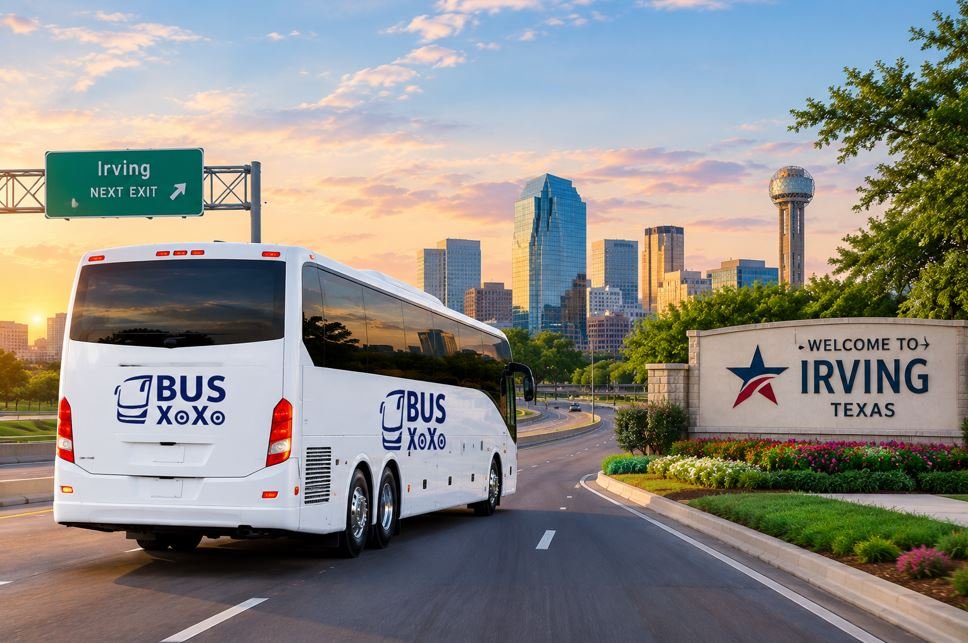
Airport travel can become more complicated when several people are arriving for the same event, business trip, family gathering, or group vacation. Travelers may land at different times, carry different amounts of luggage, and need transportation to hotels or other destinations. Organized Irving airport transportation can help groups prepare for these movements by coordinating travel around flight schedules and planned destinations. A successful airport transportation plan begins before anyone arrives. The more information organizers collect in advance, the easier it becomes to determine how travelers can be grouped and transported efficiently.
Flight Schedules Should Shape the Transportation Plan
Groups should begin by collecting arrival information. Travelers may arrive on the same flight, several different flights, or even on different days. These details can significantly affect the transportation schedule. Organizers should understand the expected arrival times before deciding whether the group can travel together or whether separate transfers may be necessary.
Flight schedules can also change. Delays, cancellations, and changes in arrival times can affect the original plan. For this reason, transportation planning should include some flexibility.
Airport Arrival Involves More Than Landing
A flight's arrival time is not always the same as the time passengers are ready to leave the airport. Travelers may need to leave the aircraft, walk through the terminal, collect checked baggage, and reach the designated meeting location. For international or certain other trips, additional procedures may also affect the amount of time required. Groups should avoid scheduling transportation based on the assumption that everyone will be ready immediately after the plane lands. A realistic arrival plan accounts for the entire process between landing and reaching the pickup point.
Meeting Locations Should Be Clearly Communicated
Airports can be confusing for travelers, particularly when people are arriving in an unfamiliar area. The transportation plan should identify where passengers are expected to meet. Clear instructions are especially important when a group includes travelers arriving at different times. Passengers should know what information to look for and where they should go after collecting their belongings. Communication should be shared before the flight whenever possible so travelers are not trying to understand the pickup process while navigating an unfamiliar airport.
Luggage Can Affect Vehicle Requirements
Airport groups often carry more belongings than passengers traveling to a local event. Suitcases, carry-on bags, equipment, and business materials can all affect transportation needs. Organizers should ask travelers about their expected luggage, particularly when the group includes people traveling for several days. A business group may have presentation materials. A sports team may have equipment in addition to personal bags. Families may carry several pieces of luggage. Understanding storage needs early can help groups choose transportation that fits the complete trip.
Airport Transportation Often Connects With Hotels
For many groups, the airport is simply the first point on a longer itinerary. Passengers may travel directly from the airport to a hotel before continuing to meetings, events, or other destinations.
The hotel plan should therefore be considered alongside airport transportation. If everyone is staying at one property, the route may be relatively straightforward. Groups staying at multiple hotels may need a more detailed travel sequence. The location of each accommodation should be considered when creating the route.
Corporate Groups May Have Strict Arrival Schedules
Business travel often involves time-sensitive commitments. Employees may need to travel from the airport to a hotel, office, conference center, or meeting venue within a limited period. Organizers should review the complete business itinerary when planning airport transportation. A flight arriving shortly before an important meeting may create unnecessary pressure if no realistic time buffer has been included. Allowing additional time between airport arrival and scheduled business activities can make the itinerary more manageable.
Return Transportation Requires Its Own Plan
The return journey should not be treated as an afterthought. Airport departure transportation requires organizers to work backward from the flight schedule. Travelers need time to reach the airport and complete the appropriate pre-flight procedures. The pickup time should account for travel time and the specific requirements of the airport and airline. Passengers should receive the return schedule well in advance so they understand when and where transportation will collect them.
Group Events May Require Coordinated Airport Transfers
Airport transportation can be part of larger travel plans for weddings, conferences, sporting events, and family gatherings. When guests arrive from different cities, organizers may need to decide which travelers can be grouped together based on their arrival schedules. The airport plan should connect with the rest of the event transportation schedule. For example, travelers may arrive at different times before joining the group for hotel-to-venue transportation later in the day. Looking at the entire itinerary can help organizers avoid creating disconnected transportation arrangements.
Communication Is Essential When Flights Change
Air travel can be unpredictable. A transportation plan should include a clear communication process for delays or schedule changes. Travelers should know whom to contact if their flight changes. Organizers should also have access to relevant arrival information when coordinating multiple passengers. Keeping communication centralized can help groups respond more effectively when unexpected changes occur.
A Well-Planned Airport Transfer Starts Before the Flight
Airport transportation is easier to organize when planning begins before travelers leave home. Collecting flight schedules, understanding luggage requirements, confirming hotel locations, and sharing meeting instructions can make arrival more organized. Irving airport transportation can support group travel when these details are coordinated around a clear itinerary. By planning for the entire airport experience rather than only the drive from one location to another, groups can create a smoother connection between their flight and the rest of their trip.