What Time Do Bars Close in New Orleans Understanding New Orleans Drinking Laws for Visitors and Locals
By Bloom Legal Network 14-05-2026 62
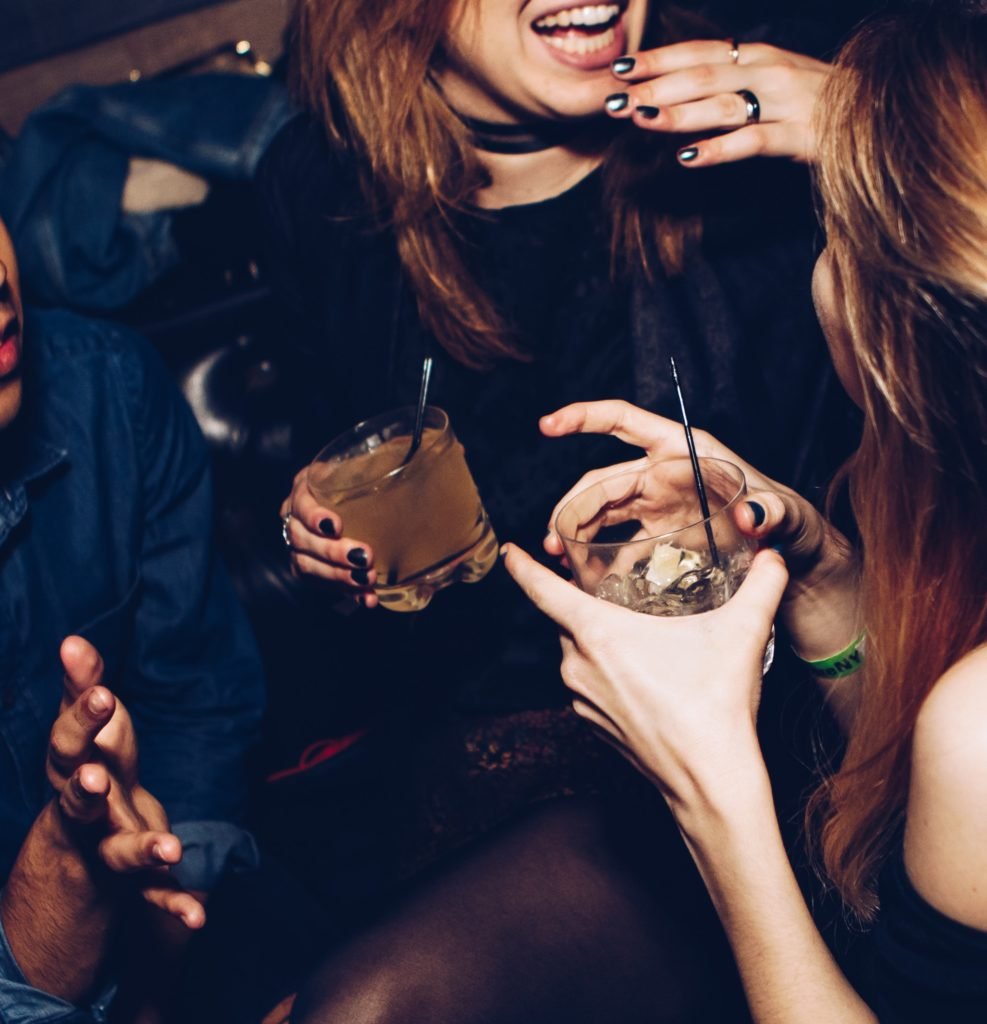
New Orleans is famous for its vibrant nightlife, live jazz, energetic Bourbon Street atmosphere, and late-night entertainment culture. Tourists from around the world visit the city to experience its bars, clubs, music venues, and unique party traditions. One of the most common questions visitors ask before planning a night out is “what time do bars close in new orleans” because nightlife schedules can vary greatly across different states in the USA. Understanding local regulations helps travelers avoid confusion and enjoy the city responsibly.
Unlike many American cities with strict alcohol curfews, New Orleans has a more relaxed nightlife environment. However, there are still important rules, restrictions, and public safety laws people should understand before ordering drinks or walking around the city with alcohol. Whether you are a tourist exploring the French Quarter or a resident enjoying a weekend evening, knowing the local regulations can improve your overall experience.
Why New Orleans Nightlife Is Different
New Orleans has built a global reputation as one of America’s top entertainment destinations. From Mardi Gras celebrations to live street performances, the city embraces a culture of music, food, and social gatherings. The nightlife scene operates differently from many other US cities because several establishments are allowed to serve alcohol for extended hours.
The answer to "What time do bars close in New Orleans?" often surprises first-time visitors. In many areas of the city, bars are permitted to remain open 24 hours a day unless specific local restrictions apply. This creates a nightlife atmosphere that feels almost nonstop, especially in tourist-heavy locations like Bourbon Street and the French Quarter.
However, individual businesses still choose their own operating hours. Some bars close at midnight, while others continue serving customers until early morning. Factors such as neighborhood rules, special permits, holidays, and local enforcement can influence closing schedules.
Understanding Alcohol Service Hours in New Orleans
Louisiana has relatively flexible alcohol regulations compared to several other states. In New Orleans, many bars and clubs operate late into the night because the city’s tourism industry strongly supports nightlife businesses.
Most bars in tourist districts stay open until at least 2 AM or 3 AM, while certain venues continue operating around the clock. Restaurants serving alcohol may follow different schedules depending on licensing rules. Some venues also stop alcohol sales temporarily during city events, emergencies, or special law enforcement periods.
Visitors should remember that operating hours are determined not only by city policies but also by business owners. Popular clubs on Bourbon Street may remain active all night, while smaller neighborhood bars may close earlier for operational reasons.
Another important point is transportation planning. Since nightlife in New Orleans extends late into the evening, rideshare demand can increase significantly during peak hours. Planning transportation in advance can help avoid delays and ensure safer travel after drinking.
Key new orleans drinking laws Every Visitor Should Know
Understanding New Orleans drinking laws is essential before exploring the city’s nightlife. While New Orleans is known for its relaxed atmosphere, alcohol-related rules are still enforced seriously.
One of the most unique features of the city is its open-container culture. In certain areas, particularly the French Quarter, adults can legally carry alcoholic beverages in plastic containers while walking outdoors. However, glass containers are generally prohibited on public streets for safety reasons.
The legal drinking age in Louisiana is 21 years old, and bars strictly check identification. Tourists should always carry valid government-issued ID because many venues refuse entry without proper identification.
Public intoxication laws also apply in New Orleans. Even though drinking in public areas may be allowed in designated zones, disorderly behavior, aggressive conduct, or excessive intoxication can lead to fines or arrest. Police officers regularly monitor crowded nightlife districts to maintain public safety.
Additionally, driving under the influence remains a major offense in Louisiana. Authorities conduct DUI enforcement throughout the city, especially during festivals and major events. Visitors should use taxis, rideshares, or designated drivers after consuming alcohol.
Important new orleans drinking laws for Tourists During Festivals
Festivals and major celebrations attract millions of tourists to New Orleans every year. Events such as Mardi Gras, Jazz Fest, and New Year’s Eve create an exciting atmosphere, but they also bring stricter enforcement of new orleans drinking laws.
Temporary restrictions may be introduced during crowded public events. Certain streets can become pedestrian-only zones, and additional police officers may monitor alcohol consumption closely. Security checkpoints are common during major celebrations, especially in high-traffic entertainment areas.
Tourists should also understand that not every public area permits open alcohol consumption. While the French Quarter is known for relaxed rules, nearby neighborhoods may have stricter policies. Drinking near schools, churches, or restricted public spaces can result in penalties.
Another common mistake visitors make involves purchasing alcohol from convenience stores after late-night outings. Store operating hours for alcohol sales may differ from bar operating hours depending on local regulations and parish laws.
Being respectful, following local rules, and remaining aware of surroundings can help visitors enjoy the nightlife safely without unnecessary legal problems.
Bourbon Street and the French Quarter Experience
Bourbon Street remains the heart of New Orleans nightlife. The street is lined with historic bars, live music venues, cocktail lounges, and restaurants that attract visitors throughout the year. Neon lights, jazz performances, and street entertainment create a unique experience unlike any other American city.
Many tourists assume every venue operates nonstop, but that is not always true. Some establishments close earlier due to staffing, crowd control, or seasonal demand. It is always wise to confirm operating hours online or directly with the venue before visiting.
The French Quarter also offers more than just nightlife. Visitors can enjoy historic architecture, famous restaurants, art galleries, and cultural attractions during the daytime before experiencing the evening entertainment scene.
Safety is another important consideration in crowded nightlife areas. Travelers should remain cautious with personal belongings, avoid accepting drinks from strangers, and stay aware of local surroundings, especially late at night.
Responsible Drinking and Local Etiquette
Although New Orleans embraces celebration and entertainment culture, responsible drinking remains important for both locals and visitors. Excessive alcohol consumption can quickly turn an enjoyable evening into a dangerous situation.
Hydration is especially important because Louisiana’s warm climate can intensify alcohol’s effects. Eating properly before drinking and taking breaks between alcoholic beverages can help reduce risks associated with overconsumption.
Tourists should also respect local communities outside entertainment districts. Loud behavior in residential neighborhoods may lead to complaints or police intervention. Responsible conduct helps preserve the welcoming atmosphere New Orleans is known for.
Many bars also encourage patrons to use rideshare services rather than driving after drinking. Taking a responsible approach benefits both visitors and the wider community.
How Local Laws Affect Business Owners
Bar owners and hospitality businesses in New Orleans must follow detailed licensing requirements to operate legally. These regulations include alcohol permits, age verification policies, employee training standards, and safety measures.
Businesses that violate alcohol laws may face fines, temporary suspensions, or license revocation. As a result, many establishments enforce identification checks strictly, even for older-looking customers.
Security staff is also commonly used in nightlife venues to prevent disturbances and maintain safe environments. During large events, businesses often coordinate with local authorities to manage crowds and comply with city regulations.
The hospitality industry plays a major role in New Orleans’ economy, making nightlife regulations important not only for visitors but also for local businesses and tourism development.
Conclusion:
New Orleans offers one of the most exciting nightlife experiences in the United States. From legendary jazz bars to energetic Bourbon Street clubs, the city attracts millions of visitors seeking entertainment and unforgettable memories. Understanding local alcohol policies can help travelers enjoy the experience responsibly and avoid unnecessary complications.
Whether you are wondering about bar operating hours, public alcohol rules, or festival restrictions, staying informed is always beneficial. Businesses, tourists, and residents all contribute to maintaining the city’s vibrant atmosphere while following local regulations.
For individuals seeking professional legal guidance related to nightlife incidents, alcohol-related disputes, or local regulations, Bloom Legal Network provides experienced legal support and valuable assistance in navigating legal matters in New Orleans.
Tags : .....