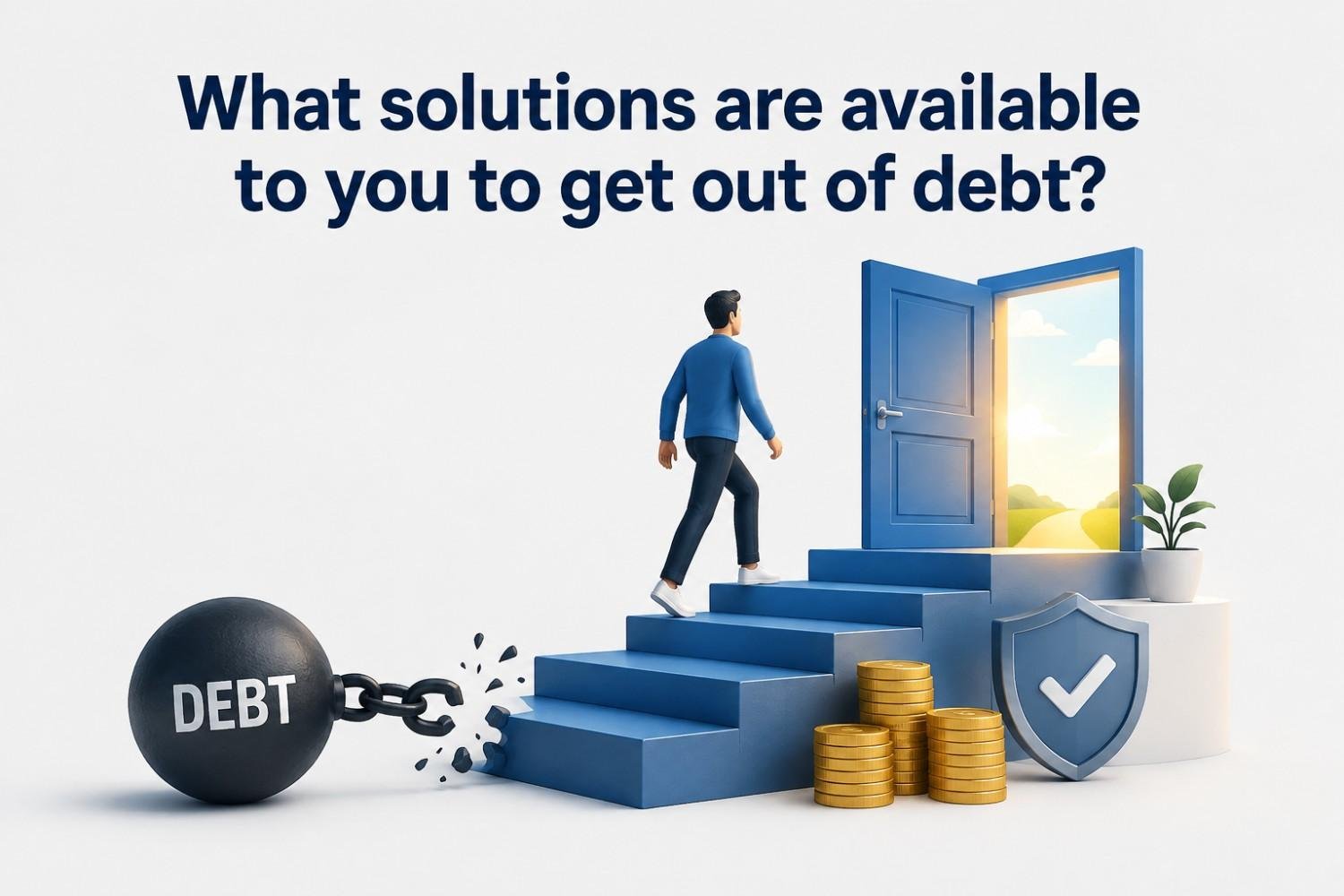
Once you fall into debt, it becomes challenging to get out of it, no doubt, but there are certain ways to deal with it. Whatever the debt repayment method you use, it depends on the amount of debt, your repayment capacity and the type of debt you owe. There are basically two types of debts that people deal with: priority debt and non-priority debt.
Non-priority debts
• Credit cards
• Store cards
• Unsecured loans
• Overdrafts
• Short-term high-cost debts
• Water bills
Priority debts
• Mortgages
• Rent
• Car loans
• Electricity and gas bills
• Logbook loans
• Council tax
• Income tax
• Certain payments ordered by court
When you have both types of debts, you should settle the priority debt first. You will need to talk to your lenders. They will propose a repayment plan. Based on your current financial condition, they will decide the monthly repayment plan. Once you know the monthly instalment to pay your priority debt, you can know how much you are left with to discharge non-priority bills.
What are the common debt solutions?
The following debt methods are meant for dealing with non-priority debts:
Debt snowball
Debt snowball is aimed at those who need psychological relief and motivation. You start by repaying the smallest debt while making minimum repayments to other debts. This debt method will help you get out of debt sooner because the smallest debt is settled fast. However, you will end up paying a high interest amount in total.
Debt avalanche
Debt avalanche is a method that aims to help borrowers who want to save money on interest. Under this method, you will start paying a loan with the highest interest rate first while paying the minimum repayments to other debts. The debt avalanche takes a bit longer to settle debt, but they are found to be cheaper than the debt snowball method.
Debt consolidation
Debt consolidation refers to a personal loan that you take out to discharge all of your existing debts. The consolidation strategy works when you have short-term, high-cost debt such as fast loans in Ireland, bad credit loans and small emergency loans.
When you have outstanding balances on multiple credit cards, you will need to apply for a 0% balance transfer card, as personal loans do not include credit card debt. You will have an interest-free period within which you are supposed to discharge the whole debt.
Consolidation can help you spread the cost of short-term high-cost debts, but it is not necessary that lenders will consolidate the entire debt. Most of the time, you will end up dealing with some debts on your own. Consolidation is possible only when your credit score is stellar.
Debt management plan
A debt management plan will enable you to repay less than what you would normally pay each month. This is a revised repayment plan that lenders offer based on your current financial condition. However, you will be obliged to settle the whole amount you owe.
Debt management companies negotiate with your creditors to waive certain fees. It may take a couple of years to discharge the debt. Making payments on time will maintain your credit score.
Debt settlement
Debt settlement is another method to discharge your debt. It should be considered when other methods are difficult to secure. This can severely damage your credit score because you will pay less than what you owe. Creditors are negotiated with to accept lower payments as a full and final settlement. Forgiven debt will be regarded as your income, so you will have to pay taxes on it.
A debt relief order
A debt relief order is an official insolvency agreement. It is meant for those who are on low wages and cannot afford to pay back debt. The total debt amount should not exceed €50,000. Your accounts will be frozen. This means no lender will be able to chase you for 12 months.
After this period, your debts will automatically be written off. Before you choose this plan, make sure that you are eligible for this order. A debt relief order will severely damage your credit score as it will show up on your credit report for up to six years.
Individual voluntary agreement
If you have a reliable source of income and a considerable amount of total assets, you can choose an individual voluntary agreement. It is also an insolvency agreement. Monthly payments will be made based on what you are left with after meeting essential costs. The damaging effect of this agreement on your credit score is far-reaching, because it remains there on your credit report for six years.
Other ways to improve your situation
There are many other ways to improve your potential to get out of debt. You should cut back on discretionary expenses. The more money you retain at hand, the more you will pay off. This will help you get rid of debt sooner rather than later. Try to sell your assets. This will help you get some cash that you can utilise to pay off your debts. Talk to your creditors to see if they can offer you lower interest rates.
It is likely that your financial condition is so bad that you are left with nothing to pay for your expenses after paying towards your debt obligations; you should talk to a debt advisor. They will most likely be able to propose a solution.
The bottom line
There are various solutions that you can use to discharge your debt, but you should try to choose a method that works best according to your financial situation. If you are struggling with debt, you should talk to a debt advisor as soon as possible.
Make sure that you do not default, because this will damage your credit rating and lower your chances of getting favourable solutions. The sooner you act, the better it is. Be mindful when using loans even if you need them for small emergencies.
Tags : solutions to get out of debt