What Role Can Electrical Stimulation Have in Stress Incontinence Rehabilitation?
By leo ben 17-09-2026 2
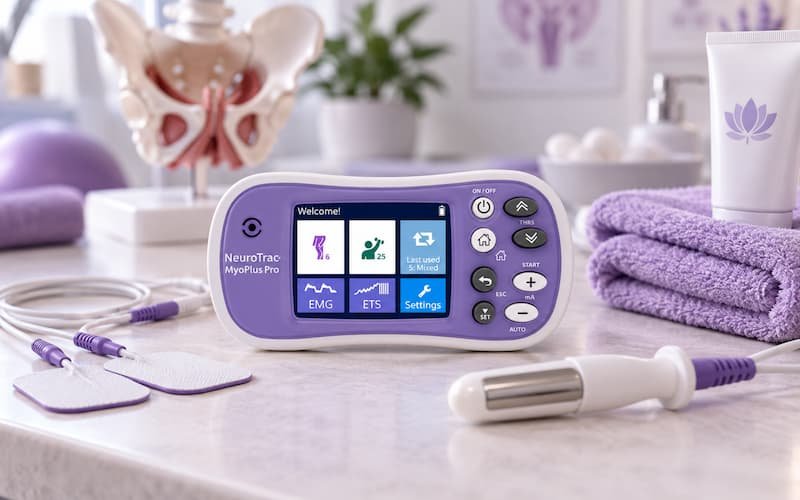
For people exploring stress incontinence treatment, pelvic floor rehabilitation can include several approaches designed to improve muscle awareness, control, and function. Electrical stimulation is one technology that may be incorporated into an appropriately assessed rehabilitation programme, particularly when a healthcare professional determines that it is clinically suitable.
Stress incontinence is commonly associated with involuntary urine leakage during activities that increase pressure within the abdomen, such as coughing, sneezing, lifting, or exercise. Rehabilitation may focus on improving pelvic floor muscle function and coordination, with electrical stimulation sometimes used as an adjunct to active pelvic floor exercises.
Understanding how stimulation works, when it may be considered, and what professional rehabilitation equipment can provide helps clinicians develop structured therapy programmes without treating electrical stimulation as a replacement for assessment or active exercise.
Understanding Electrical Stimulation in Stress Incontinence
Electrical stimulation involves delivering controlled electrical pulses through appropriately positioned electrodes to stimulate nerves and muscles. In pelvic floor rehabilitation, the objective can be to support activation or awareness of the relevant muscle group when stimulation is considered appropriate.
Electrical stimulation in stress incontinence is generally considered within a broader rehabilitation approach. A pelvic health professional may first assess symptoms, muscle function, voluntary contraction, relaxation, coordination, and other relevant factors before determining whether stimulation has a role.
The technology can be particularly relevant when a person has difficulty identifying or activating the pelvic floor muscles effectively. However, suitability varies between individuals, and electrical stimulation should be selected according to the person's clinical circumstances rather than used automatically.
How Does Electrical Stimulation Work?
The process involves several controlled stages:
Assessment: A healthcare professional determines whether electrical stimulation is appropriate and establishes relevant treatment goals.
Electrode positioning: Suitable electrodes are placed according to the prescribed pelvic floor rehabilitation approach.
Signal generation: The device produces controlled electrical pulses according to selected parameters.
Nerve stimulation: The electrical signal can stimulate appropriate peripheral nerves.
Muscle response: Depending on the settings and individual response, stimulation may produce or support pelvic floor muscle activity.
Progress monitoring: The response can be reviewed and the rehabilitation programme adjusted where appropriate.
Electrical stimulation parameters can include pulse frequency, pulse width, intensity, treatment duration, and programme characteristics. These should be selected according to the intended application and professional guidance.
EMG biofeedback provides a different but complementary approach. Instead of delivering electrical stimulation to create a response, EMG measures electrical activity associated with muscle contraction and can provide visual or other feedback about voluntary muscle activity. In selected rehabilitation programmes, biofeedback and stimulation may be used together.
Key Benefits and Clinical Applications
Supporting Pelvic Floor Muscle Activation
Electrical stimulation may provide an external stimulus to the pelvic floor muscles when clinically appropriate. This can be incorporated into programmes that also include active pelvic floor exercises and education.
Supporting Muscle Awareness
Some individuals may find it difficult to identify the correct pelvic floor muscles. A structured rehabilitation programme can use stimulation or biofeedback techniques to help improve awareness of the intended muscle activity.
Complementing Active Rehabilitation
Electrical stimulation should generally be viewed as one component of a broader rehabilitation strategy. Active pelvic floor exercises, movement strategies, education, and behavioural approaches may all have roles depending on the individual's needs.
Supporting Neuromuscular Re-Education
Electrical stimulation can be incorporated into neuromuscular re-education programmes where appropriate. The goal is to support more structured work on muscle activation and coordination rather than relying on stimulation alone.
Providing Adjustable Therapy
Professional devices can allow stimulation parameters to be adjusted according to the treatment plan. This gives clinicians greater control over the way electrical signals are delivered and allows therapy to be adapted when appropriate.
Important Features and Factors to Consider
When considering electrical stimulation in pelvic floor rehabilitation, device functionality is only one part of the decision. Clinical suitability and correct application are equally important.
Relevant factors include:
Adjustable stimulation parameters: Frequency, pulse width, intensity, and timing may need to be controlled according to the treatment approach.
Appropriate programmes: Preset or programmable options can support structured therapy where suitable.
Electrode compatibility: Appropriate electrodes and accessories are essential for reliable application.
Ease of operation: Clear controls can make supervised treatment easier to administer and explain.
Patient comfort: Stimulation intensity should be managed according to appropriate clinical guidance and individual tolerance.
Biofeedback capability: EMG functionality may be useful when monitoring voluntary pelvic floor muscle activity is part of the rehabilitation approach.
Professional supervision: Treatment should be guided by an appropriately trained healthcare professional when stimulation is being introduced or adjusted.
Electrical stimulation in stress incontinence should not be selected simply because a device offers many features. The technology should match the individual's rehabilitation objectives and the clinician's treatment approach.
How Can Healthcare Professionals Use Electrical Stimulation in Practice?
Pelvic health physiotherapists can consider electrical stimulation as part of a structured rehabilitation programme after assessing the individual's symptoms and pelvic floor function. Treatment may involve stimulation alongside active contraction and relaxation exercises, depending on the person's needs.
Rehabilitation clinicians can also use EMG biofeedback to provide information about voluntary muscle activity. This may help a patient understand whether they are activating or relaxing the intended muscles during exercises.
In specialist pelvic health settings, devices that combine stimulation and biofeedback functions can provide flexibility for different stages of rehabilitation. A clinician can determine whether stimulation, biofeedback, active exercise, or a combination of approaches is appropriate.
Hospitals, physiotherapy clinics, and rehabilitation centres may incorporate pelvic floor electrotherapy into supervised treatment protocols. If home rehabilitation is recommended, the patient should receive appropriate instruction about device operation, electrode placement, treatment duration, and settings.
Choosing the Right Solution
Selecting a suitable pelvic floor rehabilitation solution should begin with the individual's treatment requirements rather than the device itself.
Healthcare professionals may consider:
The type and severity of symptoms
Pelvic floor muscle function
Ability to voluntarily contract and relax the muscles
Treatment objectives
Whether stimulation is clinically appropriate
Whether EMG biofeedback would provide useful information
Required stimulation controls
Electrode and accessory compatibility
Ease of use during supervised or home rehabilitation
The clinician's ability to monitor and adjust the programme
A suitable solution should support the planned rehabilitation process while allowing the professional to maintain appropriate control over treatment parameters.
Why Professional Rehabilitation Devices Matter
Professional rehabilitation technology can provide controlled and repeatable options for pelvic floor therapy. Electrical stimulation in stress incontinence may form part of this approach when selected and administered appropriately.
Verity Medical's NeuroTrac range includes technologies designed for professional rehabilitation and electrotherapy. Pelvic floor applications can involve devices such as NeuroTrac Continence and related rehabilitation technologies, depending on the clinical requirements and treatment approach.
Some NeuroTrac devices also incorporate EMG biofeedback capabilities. This can be relevant when clinicians want to monitor voluntary muscle activity alongside other rehabilitation techniques. EMG-triggered stimulation, or ETS, can provide another technology-based approach where linking detected muscle activity with stimulation is appropriate.
The value of professional equipment is therefore not simply the ability to deliver electrical pulses. Appropriate controls, stimulation options, feedback capabilities, and accessories can help clinicians integrate technology into structured rehabilitation programmes.
Practical Considerations for Effective Therapy
Correct application is important when using electrical stimulation for pelvic floor rehabilitation. Electrode positioning should follow the instructions provided by the healthcare professional and the relevant device guidance.
Other practical considerations include:
Confirming clinical suitability before treatment
Using appropriate electrodes and accessories
Selecting settings according to the established rehabilitation plan
Increasing stimulation appropriately rather than making abrupt changes
Monitoring patient comfort and response
Maintaining consistent treatment sessions
Combining stimulation with active rehabilitation where appropriate
Reviewing progress regularly
Providing clear guidance for supervised home use
Patients should also understand that rehabilitation progress can vary. Electrical stimulation should not be presented as a guaranteed solution, and ongoing professional assessment remains important when symptoms persist, change, or require further investigation.
FAQs
What is electrical stimulation in stress incontinence rehabilitation?
Electrical stimulation in stress incontinence is a rehabilitation technique in which controlled electrical pulses are delivered through suitable electrodes to stimulate relevant nerves and muscles. When clinically appropriate, it may be incorporated alongside pelvic floor exercises, education, and other rehabilitation strategies under professional guidance.
Can electrical stimulation replace pelvic floor exercises?
Electrical stimulation should not automatically be viewed as a replacement for active pelvic floor exercises. Depending on the individual's circumstances, it may be used as an adjunct to support muscle activation, awareness, or neuromuscular re-education. A healthcare professional can determine how stimulation fits within the overall rehabilitation programme.
Who may use pelvic floor electrical stimulation?
Pelvic floor electrical stimulation may be considered for selected individuals following an appropriate clinical assessment. Pelvic health physiotherapists and other suitably trained professionals can determine whether the technique is appropriate based on symptoms, muscle function, treatment objectives, and relevant clinical considerations.
Can EMG biofeedback be used with pelvic floor rehabilitation?
Yes. EMG biofeedback can provide information about voluntary pelvic floor muscle activity and may help patients understand contraction and relaxation during exercises. Some professional rehabilitation systems combine EMG biofeedback with stimulation capabilities, allowing clinicians to select different approaches according to the rehabilitation programme.
Can pelvic floor stimulation be used at home?
Home use may be appropriate in selected cases when a healthcare professional has assessed the individual and provided suitable instructions. Patients should understand the correct application, device controls, electrode positioning, and treatment plan before using a stimulation device independently.
What should professionals consider when selecting a pelvic floor stimulation device?
Professionals should consider clinical suitability, adjustable stimulation parameters, programme options, electrode compatibility, ease of use, patient comfort, and whether additional functions such as EMG biofeedback or ETS are relevant. The device should support the specific rehabilitation objectives rather than being selected solely because it has more features.
Conclusion
Electrical stimulation in stress incontinence can have a role as part of a structured pelvic floor rehabilitation programme when it is clinically appropriate. Controlled electrical signals may support muscle activation and neuromuscular re-education, while EMG biofeedback can provide information about voluntary muscle activity.
For healthcare professionals, the priority is to match the technology to the individual's needs, treatment objectives, and rehabilitation plan. Professional NeuroTrac devices can provide controlled stimulation and, where relevant, biofeedback functionality for supervised pelvic floor rehabilitation. Used appropriately alongside clinical assessment and active therapy, electrical stimulation can form one component of a structured approach to pelvic floor rehabilitation.
Tags : medical devices medical equipment