What Pet Owners Need to Think About Before Leaving Home for Longer Trips
By Keira Henry 12-08-2026 62
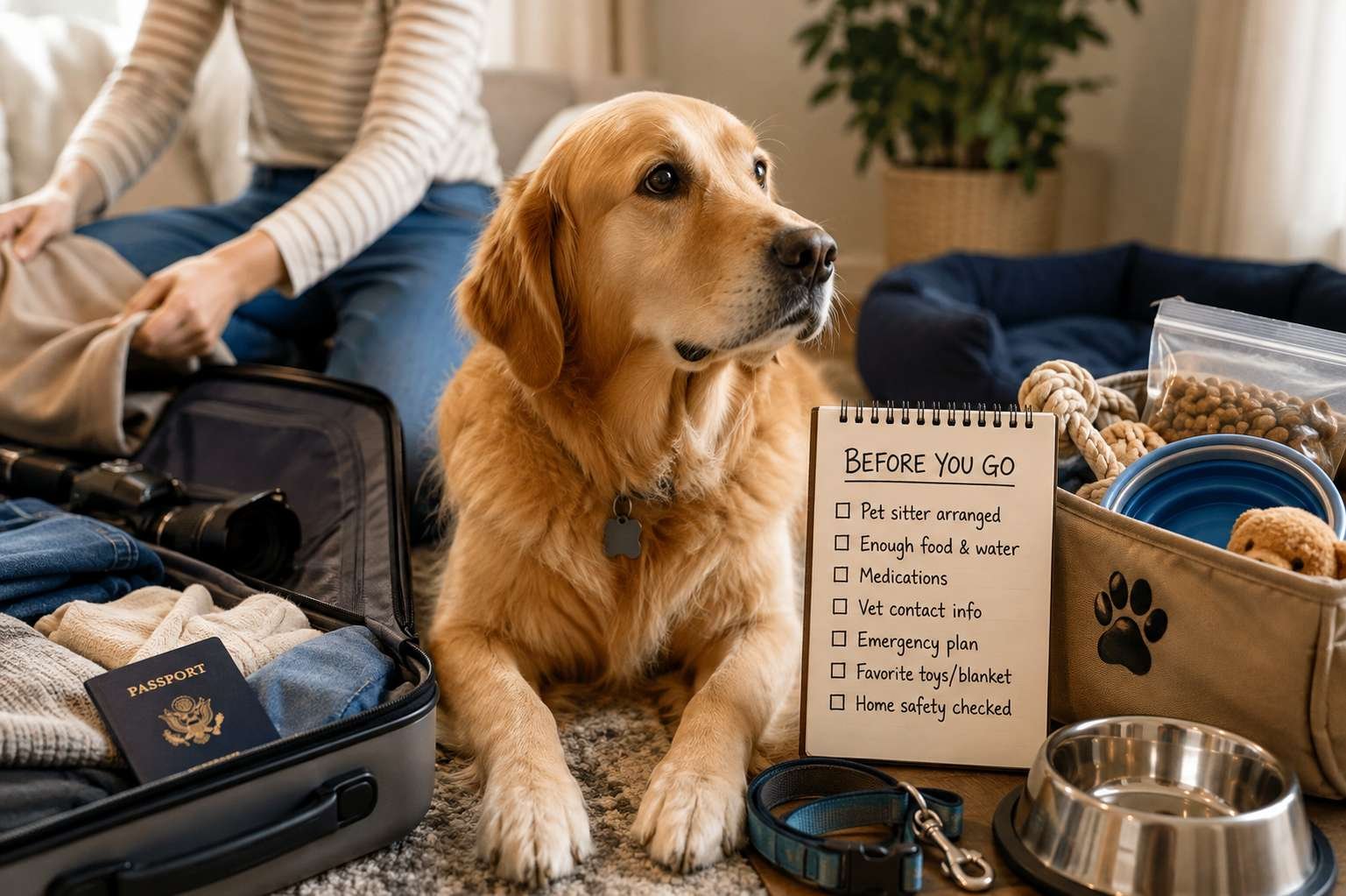
Anyone who travels with pets, or leaves them behind with a sitter, knows the anxiety that comes with being away from home for an extended stretch. Most of that anxiety centers on the pet itself — are they eating, are they stressed, is the sitter actually showing up on schedule. But there's a second layer worth thinking through: an empty home with a pet inside is a specific kind of vulnerability that a lot of people don't plan for.
The Pet Sitter Access Problem
Giving a sitter a key, a garage code, or a lockbox combination is standard practice, but it also means a stranger has unsupervised access to your home, sometimes for a week or more. Smart locks with temporary or scheduled access codes solve a real problem here: the sitter gets access only for the dates they need it, and the code expires automatically afterward rather than sitting active indefinitely because nobody remembered to change it.
Cameras Serve a Dual Purpose
A camera pointed at the living room or the dog's usual spot does double duty for pet owners: it's a security measure and a way to check in on a nervous pet from the road. Being able to glance at a live feed during a layover and confirm the dog's doing fine adds a layer of comfort beyond simple property protection, and most modern systems make this available through the same app that handles alarm monitoring.
Health Emergencies While You're Away
Pets get into trouble in ways that have nothing to do with burglars — a knocked-over shelf, a chewed cord, an escaped latch on a fence. Motion and door sensors originally installed for security purposes double as an early-warning system here too, flagging unusual activity even when the concern is a pet's safety rather than an intruder.
Houston Homeowners Face Some Specific Considerations
For Houston-area pet owners specifically, humidity and heat add another layer to think about when planning extended absences — HVAC failures during summer trips can turn dangerous for a pet left alone far faster than in milder climates. Smart thermostats paired with a monitored system can flag a temperature swing before it becomes an emergency, sending an alert if the house climbs into a dangerous range while nobody's there to notice. Homeowners researching options in that market, including general guidance around Houston home security planning, will find this kind of climate-monitoring integration increasingly treated as standard rather than a specialty add-on.
Don't Overlook the Basics
None of this replaces the fundamentals: a trustworthy sitter, clear instructions left in writing, and a neighbor who knows to check in if something seems off. Technology fills gaps, but it doesn't replace the human element of actually having someone who can physically respond if an alert comes through at 2 a.m.
Boarding vs. In-Home Care
For travelers weighing boarding facilities against in-home pet sitting, security considerations tip the calculus a bit. Boarding removes the stranger-access issue entirely but adds its own risks around a pet's stress level and unfamiliar environment. In-home care keeps a pet in a comfortable setting but requires a household to think through exactly the access and monitoring questions covered above. There's no universally right answer, just a set of trade-offs worth being deliberate about rather than defaulting to whichever option is easiest to book.
What to Pack in a Pet Sitter Info Sheet
Beyond access codes and feeding instructions, a good pet sitter info sheet should include the basics of how the home's security system works — how to arm and disarm it, who to call if a sensor triggers accidentally, and where the manual override is if the app isn't accessible for some reason. Sitters unfamiliar with a specific system are far more likely to accidentally trigger a false alarm, and having clear written instructions on hand reduces both the sitter's stress and the odds of an unnecessary call to a monitoring center or, worse, the police. It's a small addition to a document most pet owners already prepare anyway.
How a Monitoring Center Actually Responds to an Alert
When a sensor trips while you're away, what happens next depends on the monitoring setup behind the system. A professionally monitored alarm routes the signal to a 24-hour monitoring center, where an operator attempts to verify the alert, often by calling the homeowner or a designated contact first, before deciding whether to dispatch a response. Self-monitored systems skip that verification step entirely and rely on the homeowner or sitter to see a phone notification and act on it directly, which works fine if someone is reliably checking a phone but leaves a real gap if a notification gets missed during a long travel day.
Matching Sensor Types to a Pet-Occupied Home
Homes with pets present a specific technical challenge for motion sensors, since a standard passive infrared sensor can't easily distinguish between an intruder and a large dog walking through a room. Pet-immune sensors, calibrated to ignore movement and heat signatures below a certain size and weight threshold, solve this without disabling motion detection entirely. Door and window contact sensors avoid the issue altogether since they trigger on entry point movement rather than interior motion, which is why many pet-owning households lean more heavily on entry sensors and cameras than on interior motion detection as a primary layer.
Insurance Considerations Pet Owners Often Skip
Homeowners insurance and separate pet-related coverage sometimes intersect in ways owners don't realize until after an incident, particularly around water damage or fire caused by a pet-related accident while a home is unoccupied. A monitored system that can flag a smoke or water-leak event immediately, rather than after a sitter's next scheduled visit, can meaningfully affect how a claim gets evaluated. It's worth a quick conversation with an insurance agent about how to monitor detection factors into an existing homeowners policy before an extended trip, rather than discovering the details only after filing a claim.
Traveling With Peace of Mind
The goal isn't to turn every trip into a security project. It's to close the obvious gaps — sitter access, environmental monitoring, a way to check in remotely — so that the time away is actually restful instead of spent worrying about what might be going wrong back home. A little planning ahead of the trip buys a lot of peace of mind once you're actually on the road.
Tags : .....