What Is the Difference Between Dimensional Letters and Flat Sign Lettering?
By Tampa customsigns 13-10-2026 1
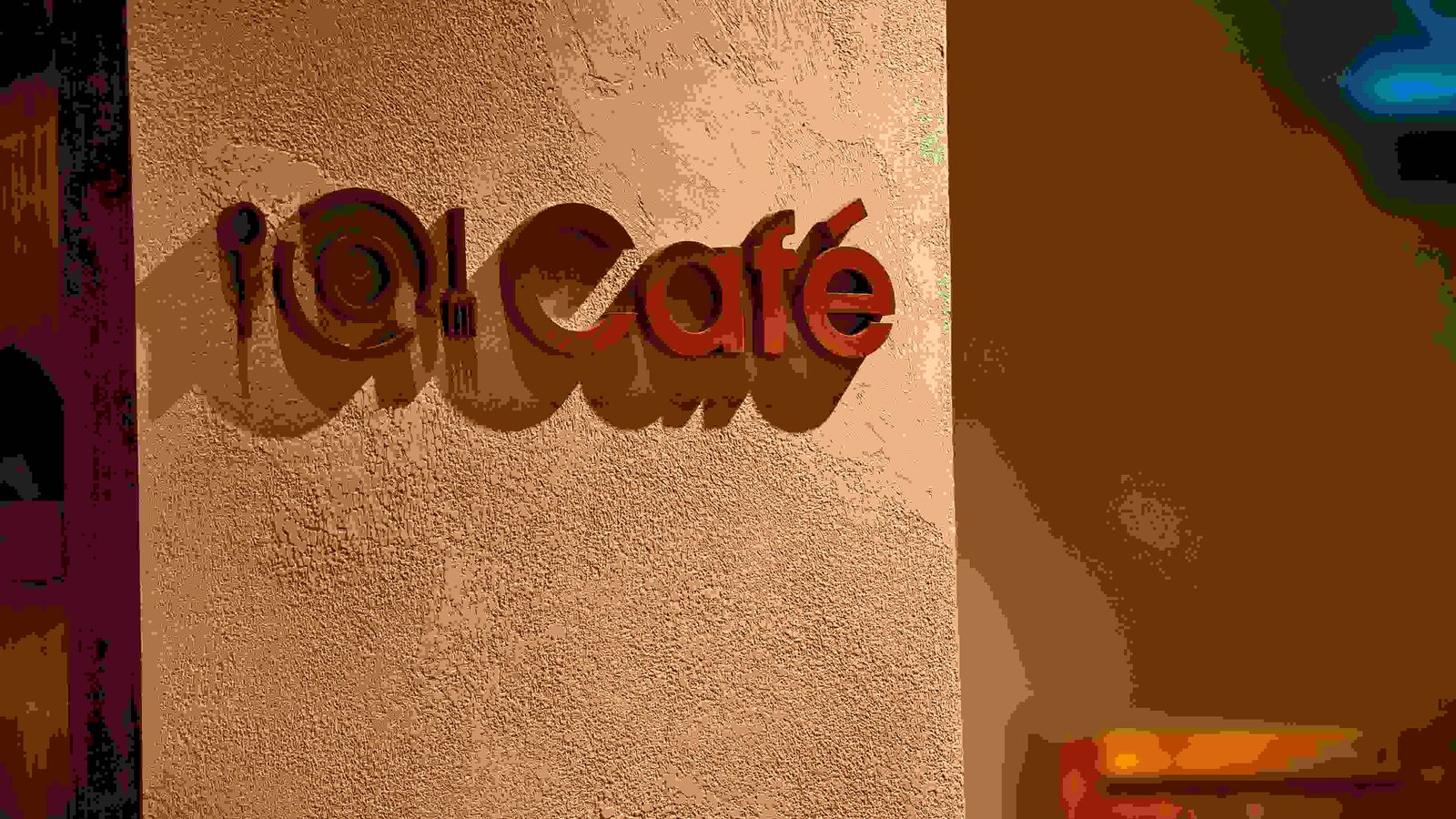
Business signage plays an important role in how customers recognize a company, find its location, and perceive its brand. Whether you operate a retail store, restaurant, office, or commercial property, choosing the right lettering can influence the appearance and effectiveness of your signs.
Two common options are raised lettering and flat lettering. Both can display a business name, logo, or message, but they differ in appearance, construction, installation, and cost.
Dimensional letters create a three-dimensional effect by extending away from the mounting surface, while flat lettering typically sits directly on a surface or appears as part of a printed sign. Understanding these differences can help businesses choose signage that fits their branding goals, location, and budget.
What Are Dimensional Letters?
Dimensional Letters are individual letters, numbers, or shapes that have physical thickness. They protrude from a wall, sign panel, or any other mounting surface to create a three-dimensional look with shadows.
They depend on the design to be made from different materials like acrylic, aluminum, stainless steel, and PVC.
Companies are able to have their dimensions letters made as big as possible and in different colors.
The main uses of dimensional letters are store signs, reception wall signs, corporate logos, retail displays, and building identification signs.
One of the benefits of using these letters is their ability to make an architectural look.
They allow the company's name to appear without having the entire background printed.
What Is Flat Sign Lettering?
Flat sign lettering is lettering or graphics that are placed on a surface in a two-dimensional manner. It may be screen-printed directly to a sign surface, made out of vinyl lettering, or part of a flat graphic design.
The fact that the lettering does not protrude from the surface makes it less complex compared to raised lettering.
Flat lettering is commonly used in such applications as promotional signs, window graphics, indoor informational signs, directional signs, graphics for vehicles, and temporary graphics.
It also provides great opportunities for creativity. Photos, gradients, several colors, and even detailed images may be included in a printed sign design by businesses.
Flat lettering is an effective option for businesses that require clear messaging or frequently change their promotional graphics.
Key Differences Between Dimensional and Flat Lettering
Although both options communicate business information, several differences may influence which one is right for your project.
1. Appearance and Visual Impact
The most apparent distinction is that of dimensionality.
Three-dimensional lettering employs raised letters to produce shading and highlights through interaction with the medium and light source. Such lettering produces a tangible quality that may suit modern storefronts, corporate interiors, and architecture well.
Two-dimensional lettering is sleek and smooth. It may be quite successful in applications where legibility, graphic information, or a minimalistic design is what matters.
For instance, a law firm might select raised metal letters for the reception area wall to produce a refined effect. A retail store promoting a seasonal sale might require two-dimensional printed graphics to deliver the message.
2. Materials and Construction
Raised letters need to have a manufacturing process that gives them the required thickness and shape. Acrylic materials could help create colorful signs, aluminum provides a light metal alternative, while stainless steel could be used to create a metallic look.
PVC could be used for some indoor and budget-friendly projects.
Flat lettering could involve the use of vinyl adhesive, printing on films, printing ink onto panels, or other types of surface graphics.
Choice of materials should be based on the sign's purpose and conditions of operation.
3. Durability and Maintenance
Not all types of lettering have a guarantee of superior longevity in all cases. Factors influencing the longevity of the lettering include materials, manufacturing, application and environment.
Properly installed dimensional lettering will be able to perform well if proper materials are used in the right environment. Raised lettering, however, might need to be properly mounted and occasionally cleaned from its edges.
Flat lettering can equally perform well for many years, provided that proper materials are used during manufacture. Printed surfaces and vinyl lettering may get weathered, faded, scratched or worn out due to various environmental factors.
Always ask about the expected longevity, maintenance and repairs before you choose.
4. Cost and Installation
Flat lettering may be cheaper in some instances since it might not need much production or installation. It might be preferred in temporary promotions, when budgets are low, and the signs include printed graphics.
Dimensional lettering would generally involve extra processes such as production, individual lettering, mounting mechanisms, and installation. Other factors include larger size, special effects, illumination, and difficult mounting sites to raise the overall costs.
Nonetheless, costs may differ significantly where a big, quality printed sign might be pricier than a small dimensional lettering project.
In order to get an equitable comparison, you should request quotations that are based on similar specifications.
5. Customization and Branding
Both options are capable of achieving efficient branding; however, they have different design options.
Dimensional letter signs will be of immense help for those organizations that want to create their identity through dimensional letters. The organization will be able to use various dimensions in order to create a unique identity through their name/logo.
Flat lettering is more suitable for complex designs, illustrations, pictures, and promotional messages. In addition, flat lettering may prove to be helpful for organizations that change their offers frequently.
Some businesses combine both methods, using raised letters for their main brand name and flat graphics for supporting information.
Where Should You Use Each Type of Lettering?
The best choice depends on what the sign needs to communicate and where people will see it.
Dimensional lettering may be suitable for:
- Storefront names and building identification
- Corporate office reception walls
- Professional offices and hospitality spaces
- Retail interiors and branded feature walls
- Permanent signs that benefit from a raised appearance
Flat lettering may be suitable for:
- Window promotions and seasonal offers
- Directional and informational signs
- Printed advertisements and display panels
- Temporary event signage
- Graphics requiring photographs or complex designs
For outdoor installations, consider viewing distance, sunlight, moisture, mounting conditions, and local signage regulations. For indoor signs, evaluate the surrounding décor, lighting, wall surface, and distance from viewers.
Tampa Custom Signs can help businesses explore custom signage options based on their branding requirements, location, and intended application.
Can You Combine Dimensional Letters and Flat Lettering?
Yes. The combination of both techniques will produce a harmonious sign.
For instance, a business owner can opt for the technique of raised lettering for their brand's name but use flat graphics for the tagline or description of their services. It creates visual hierarchy but keeps the supporting text readable.
Also, a dimensional logo can be placed on a printed or colored board to achieve the combination of raised lettering and flat graphics.
While combining different types of graphics, one should take care of color and typography consistency. The goal is to emphasize the most significant information.
How to Choose the Right Signage for Your Business
Before making a decision, consider these practical questions:
- What is the main purpose? Decide whether the sign needs to identify your business, promote an offer, or provide information.
- Where will it be installed? Indoor and outdoor locations have different material and installation requirements.
- What impression do you want to create? Raised lettering can emphasize depth, while flat lettering can support detailed graphics and straightforward messaging.
- What is your budget? Compare the complete cost of fabrication, installation, maintenance, and replacement.
- How long should it last? Permanent signs may justify a different investment from short-term promotional graphics.
Professional guidance can help you balance design, readability, durability, and cost before production begins.
Conclusion
Both dimensional lettering and flat lettering have their own advantages when it comes to designing business signs. Dimensional lettering adds an element of dimensionality which can add class and professionalism to store fronts as well as interiors of buildings. Flat lettering allows a smooth and versatile solution for printing and graphic designs and also promotions.
Ultimately, it all boils down to the needs of the business, the style desired, the installation site, and of course the budget available. It may be possible that the optimal way is to use both these techniques together.
If you are working on designing business signs for yourself, then Tampa Custom Signs is a name that you should keep in mind.
Tags : .....














