In the fast-paced business world of 2026, the way we think about "the office" has changed forever. Long gone are the days when starting a business meant signing a five-year lease, buying thousands of dollars' worth of furniture, and spending weeks waiting for an internet connection.
Enter the Service Office. Whether you are a startup founder, a freelancer, or a manager at a global corporation, you have likely heard this term. But what exactly is it, and why is it becoming the go-to choice for modern companies? In this guide, we will break down everything you need to know about how service offices work and why they might be the smartest move for your business.
1. The Simple Definition: What is a Service Office?
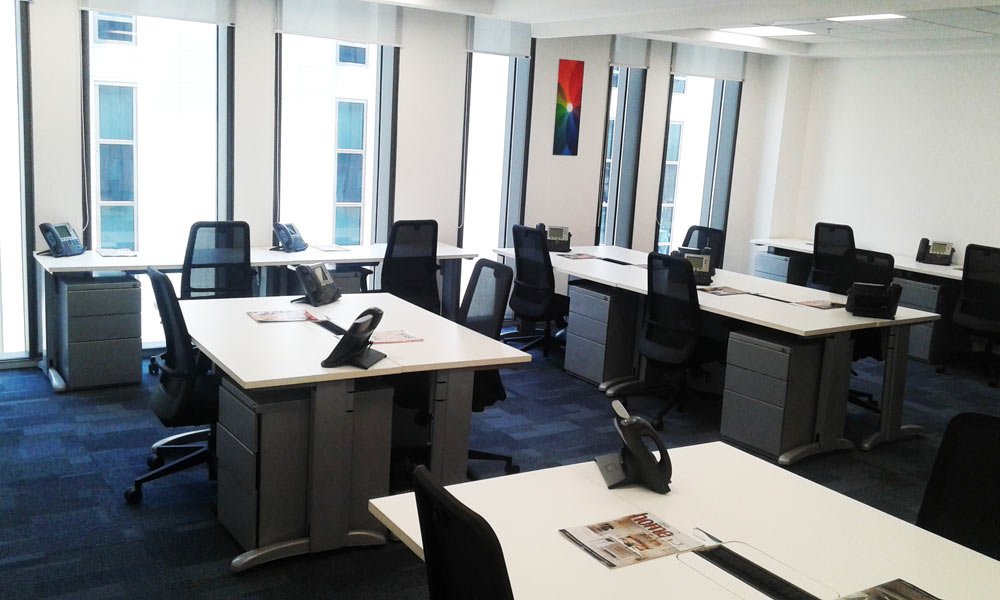
At its core, a Service Office (also known as a serviced office or managed office) is a "plug-and-play" workspace. It is a fully equipped, furnished, and managed office building where multiple companies rent individual offices or entire floors.
Think of it like a high-end hotel, but for your business. When you check into a hotel, you don't bring your own bed or worry about the electricity bill; everything is ready for you. A service office works the same way. You show up with your laptop, and everything else—from the desk you sit at to the high-speed Wi-Fi you use—is already taken care of.
2. How Does a Service Office Work?
The beauty of a Service Office lies in its simplicity. Here is the typical "lifecycle" of renting and using one:
The Agreement
Unlike traditional leases that lock you in for 3–10 years, service offices offer incredible flexibility. You can sign an agreement for as little as one month or as long as several years. This "pay-as-you-go" model is perfect for businesses that are growing quickly and aren't sure how many desks they will need in six months.
The Move-In
Because the infrastructure is already in place, you can often move in within 24 to 48 hours of signing your contract. There is no "setup period" where you have to paint walls or install routers.
The Daily Operation
Once you are in, a third-party management team handles the "boring" stuff. They manage the cleaning, the security, the mail handling, and the IT support. Your only job is to focus on your work.
3. What’s Included? The "All-Inclusive" Benefits
One of the biggest reasons businesses choose a Service Office is the all-in-one pricing. Instead of paying ten different bills to ten different vendors, you pay one monthly fee. This fee typically covers:
- Fully Furnished Suites: Ergonomic chairs, desks, and storage units.
High-Speed Connectivity: Enterprise-grade 1Gbps fiber internet and secure Wi-Fi.
Utilities: Electricity, water, heating, and air conditioning.
Professional Reception: A front-desk team to greet your clients and handle your mail.
Cleaning and Maintenance: Daily office cleaning and building repairs.
Shared Amenities: Access to kitchens (with free coffee/tea), breakout lounges, and meeting rooms.
4. Service Office vs. Traditional Lease: A Comparison
If you are trying to decide between a traditional office and a Service Office, this table highlights the key differences in 2026:
5. Who Should Use a Service Office?
While any business can benefit from this model, certain groups find it particularly valuable:
- Startups & Scale-ups: When you are growing fast, you don't want to be trapped in an office that is too small. A Service Office allows you to add more space as you hire more people.
- MNCs & Satellite Teams: Large corporations often use service offices to set up "satellite" branches in new cities without the risk of a long-term commitment.
- Project-Based Teams: If you have a team working on a specific 6-month project, a flexible office is the perfect "pop-up" solution.
- Hybrid Companies: For businesses that only need the team to be together 2–3 days a week, a managed office provides a professional hub without the overhead of a massive headquarters.
6. Key Factors to Consider Before Booking
Not all service offices are the same. Before you sign on the dotted line, check these four critical factors:
A. Location & Accessibility
Is the office near a major Metro station or highway? In a city like Delhi or Gurgaon, a "prestigious" address is useless if your team spends two hours in traffic just to get there.
B. The Technology Standard
In 2026, "basic" Wi-Fi isn't enough. Does the Service Office offer AI-powered meeting rooms for hybrid calls? Is there a dedicated IT support person on-site?
C. Hidden Costs
Always ask what isn't included. Some providers might charge extra for:
- Printing and scanning
- Booking meeting rooms beyond a certain number of hours
- Premium coffee or specialized IT requests
D. Wellness and Air Quality
Modern offices should prioritize health. Check if the building has HEPA air filtration (essential for productivity in urban hubs) and ergonomic furniture that supports long hours of work.
7. The Future of Work: Why Service Offices Win in 2026
As we move further into 2026, business agility is the ultimate competitive advantage. Companies that are locked into rigid, expensive, and high-maintenance traditional leases are finding it harder to adapt to market changes.
A Service Office provides "Operational Agility." It turns your office space from a massive, fixed capital expense (CapEx) into a flexible operating expense (OpEx). It allows you to focus 100% of your energy on your clients and your products, while an expert team handles the infrastructure behind the scenes.
Conclusion: Is a Service Office Right for You?
If you value your time, prioritize flexibility, and want a professional image without the headache of building management, a Service Office is the answer. It bridges the gap between the isolation of working from home and the extreme cost of a traditional corporate lease.
By choosing a managed workspace, you are choosing a community, a support system, and a platform for growth. In the 2026 economy, the smartest businesses aren't the ones with the biggest offices—they are the ones with the most flexible ones.
Tags : .....