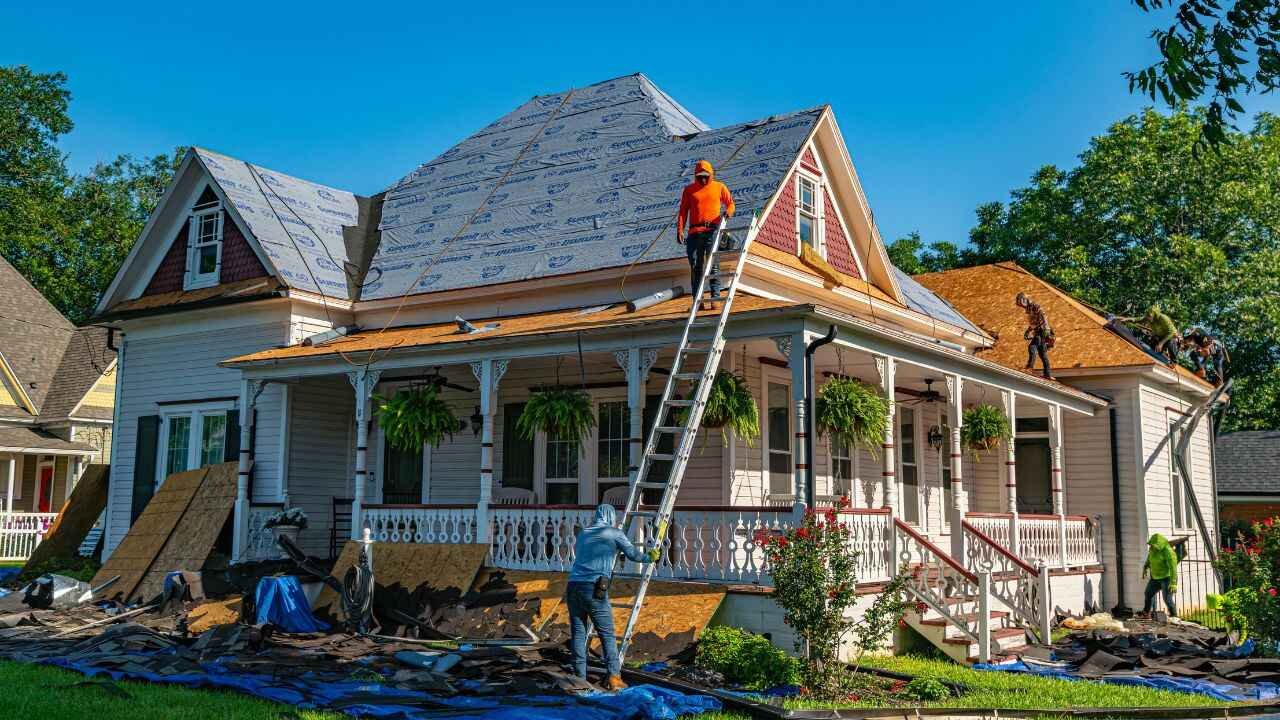
Your roof does more than just sit on top of your home—it quietly protects everything beneath it from weather, debris, and time itself. Yet for many homeowners, it’s out of sight and out of mind until a problem becomes impossible to ignore. Understanding how to care for your roof year-round can save you money, prevent stress, and extend the life of one of your home’s most important structures.
Why Roof Maintenance Matters More Than You Think
A well-maintained roof isn’t just about aesthetics—it’s about structural integrity and long-term value. Small issues like missing shingles or minor leaks can quickly escalate into costly repairs if left unchecked. Moisture intrusion, for example, can damage insulation, weaken wooden supports, and even lead to mold growth.
In regions like Peachtree City, where seasonal weather changes can be significant, roofs are constantly exposed to sun, rain, wind, and occasional storms. These conditions gradually wear down materials, making routine inspection and maintenance essential.
Common Roofing Problems Homeowners Face
Even the best-built roofs encounter issues over time. Being aware of the most common problems can help you act early:
- Shingle damage: Cracking, curling, or missing shingles due to weather exposure
- Leaks and water damage: Often caused by flashing failures or worn seals
- Clogged gutters: Leading to water backup and roof edge damage
- Moss and algae growth: Which can degrade roofing materials over time
- Poor ventilation: Resulting in trapped heat and moisture in the attic
Addressing these problems early can significantly reduce repair costs and prevent more serious damage.
Seasonal Roof Care Tips
Roof care isn’t a one-time task—it’s a year-round responsibility. Each season brings unique challenges, and adapting your maintenance routine accordingly can make a big difference.
Spring and Summer
Warmer months are ideal for inspections and minor repairs. Look for signs of damage caused by winter weather and prepare your roof for summer heat.
- Check for loose or missing shingles
- Inspect flashing around chimneys and vents
- Clean gutters and downspouts
- Trim overhanging tree branches
Fall and Winter
As temperatures drop, your focus should shift to preparing your roof for colder, wetter conditions.
- Remove leaves and debris from the roof surface
- Ensure gutters are clear to prevent ice dams
- Inspect attic insulation and ventilation
- Schedule a professional inspection if needed
Being proactive during these seasons can prevent emergency repairs when weather conditions are at their worst.
When to Call a Professional
While some maintenance tasks can be handled by homeowners, others require professional expertise. Climbing onto a roof can be dangerous, and certain issues may not be visible without trained eyes.
If you notice persistent leaks, sagging areas, or widespread shingle damage, it’s time to consult a professional. For homeowners looking for dependable roof repair near Peachtree City, it’s worth taking the time to research trusted local providers. One helpful starting point is dependable roof repair near Peachtree City, where you can explore services and better understand what to expect from experienced roofing specialists.
How to Extend the Life of Your Roof
A roof replacement is a major investment, so naturally, most homeowners want to delay it as long as possible. Fortunately, a few smart practices can help extend your roof’s lifespan:
1. Schedule Regular Inspections
At least once a year—and after major storms—have your roof inspected for hidden damage.
2. Keep Gutters Clean
Clogged gutters can lead to water pooling and structural damage along roof edges.
3. Improve Ventilation
Proper airflow reduces heat and moisture buildup, which can weaken roofing materials.
4. Address Repairs Quickly
Small issues rarely stay small. Prompt repairs prevent larger, more expensive problems.
5. Choose Quality Materials
If you’re repairing or replacing part of your roof, invest in durable materials suited to your local climate.
Signs It Might Be Time for a Replacement
Even with excellent maintenance, no roof lasts forever. Knowing when to replace it can save you from ongoing repair costs and unexpected failures.
Watch for these warning signs:
- Frequent leaks or recurring repair needs
- Noticeable sagging or structural issues
- Shingles that are severely worn, cracked, or missing in large areas
- Rising energy bills due to poor insulation
- A roof that is nearing or beyond its expected lifespan (typically 20–30 years depending on material)
If several of these signs are present, a replacement may be more cost-effective than continued repairs.
Final Thoughts
Your roof plays a critical role in protecting your home, yet it often doesn’t receive the attention it deserves until something goes wrong. By staying proactive with maintenance, understanding common issues, and knowing when to seek professional help, you can avoid unnecessary expenses and keep your home safe year-round.
Whether you’re dealing with minor wear and tear or more significant damage, taking informed action early is always the best approach. A little attention today can prevent major headaches tomorrow—and ensure your roof continues to do its job for years to come.
Tags : .....