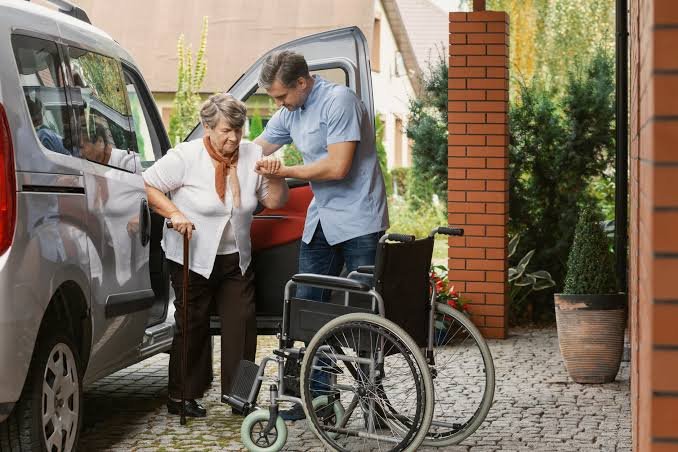
Older adults can have transportation requirements that differ from those of the general population. Some passengers may have mobility limitations, recurring medical appointments, caregivers involved in transportation planning, or specific pickup and drop-off requirements.
For NEMT providers, serving older adults requires a combination of dependable transportation, careful scheduling, clear communication, and patient-centered service.
Technology can support these processes, but successful elderly transportation begins with understanding what passengers and caregivers actually need.
Why Is Transportation Important for Older Adults?
Transportation can influence whether older adults are able to attend medical appointments, rehabilitation sessions, community programs, and other essential services.
When transportation is unreliable, a passenger may miss an appointment or depend on family members who may not always be available.
Reliable NEMT services can therefore support greater access to healthcare and community services.
What Challenges Do Older Passengers Face?
Older adults may experience mobility limitations, difficulty navigating unfamiliar environments, or challenges communicating transportation requirements.
Some passengers may use wheelchairs, walkers, or other mobility aids.
Others may need additional time to enter or exit a vehicle.
Transportation providers should consider these factors when scheduling and assigning trips.
How Can Scheduling Support Senior Transportation?
Scheduling should account for the passenger's specific requirements.
A vehicle that is technically available may not be appropriate for every passenger.
Elderly care transportation software can help providers organize senior transportation while maintaining information about scheduled trips and transportation requirements.
A structured scheduling process can reduce the likelihood of assigning an unsuitable resource.
Why Is Communication So Important?
Passengers and caregivers often need clear information about transportation.
A caregiver may want to know when the vehicle is expected to arrive. A senior passenger may need a reminder before the scheduled trip.
Automated notifications can help transportation providers communicate important updates.
However, digital communication should not completely replace human support. Some passengers may still prefer phone calls or direct assistance.
How Can Drivers Improve the Passenger Experience?
Drivers are often the face of the transportation provider.
Professional and respectful interaction can make a significant difference.
Drivers should understand how to communicate clearly, provide appropriate assistance, and follow established safety procedures.
They should also understand that each passenger has different needs.
What Role Does Routing Play?
Route planning can affect how long passengers spend traveling.
Efficient routes can reduce unnecessary travel time while helping drivers complete more trips.
NEMT Routing Software can help transportation providers plan routes based on trip requirements and operational constraints.
For senior transportation, however, efficiency should not come at the expense of passenger comfort or safety.
How Can PACE Programs Manage Transportation?
PACE organizations often coordinate multiple services for older adults.
Transportation may need to align with medical appointments, day center schedules, therapy, and other care activities.
PACE scheduling software can help organize transportation around these complex schedules.
Better coordination can help reduce conflicts between transportation and care activities.
Can Technology Help Caregivers?
Family caregivers often coordinate transportation remotely.
They may not be able to accompany the passenger to every appointment.
A passenger portal or notification system can give caregivers greater visibility into transportation activity.
This can reduce repeated calls to transportation offices and make trip coordination easier.
How Can Providers Handle Recurring Trips?
Many older adults have recurring medical appointments.
Instead of creating every trip manually, providers can use recurring scheduling capabilities.
Recurring trips can also help providers anticipate transportation demand.
However, recurring schedules should be reviewed regularly because appointment times and healthcare requirements can change.
How Does Coordinated Care Improve Senior Transportation?
Transportation is only one component of an older adult's care journey.
A passenger may have multiple healthcare appointments involving different organizations.
Coordinated care transportation software can help connect transportation planning with broader care coordination processes.
This can create better visibility for organizations managing complex transportation requirements.
What Should Providers Measure?
Senior transportation providers can track:
- On-time performance
- Passenger complaints
- Cancellation rates
- No-shows
- Trip completion rates
- Driver performance
- Vehicle utilization
- Recurring trip accuracy
These metrics can help identify opportunities for improvement.
Why Is Personalization Important?
Not every older passenger needs the same transportation experience.
One passenger may need a wheelchair-accessible vehicle. Another may need extra boarding time. Another may depend heavily on caregiver communication.
Transportation technology should therefore support configurable workflows rather than forcing every passenger into exactly the same process.
How Can Technology Reduce Administrative Work?
Manual transportation administration can consume significant staff time.
A modern system can centralize passenger information, schedules, driver assignments, notifications, and reporting.
This allows employees to focus more attention on transportation coordination rather than repeatedly entering or searching for information.
Conclusion
Senior transportation requires a patient-centered approach that combines reliable vehicles, trained drivers, accurate scheduling, clear communication, and appropriate technology.
Medical transportation technology can help organizations coordinate these functions more efficiently while providing better visibility into daily transportation operations.
When providers design services around the actual needs of older passengers and caregivers, transportation can become more predictable, accessible, and supportive of long-term healthcare journeys.
Tags : software technology