What Are Surgical Instruments and How Are They Used in Medicine?
By Intubation Healthcare Inc. 14-05-2026 291

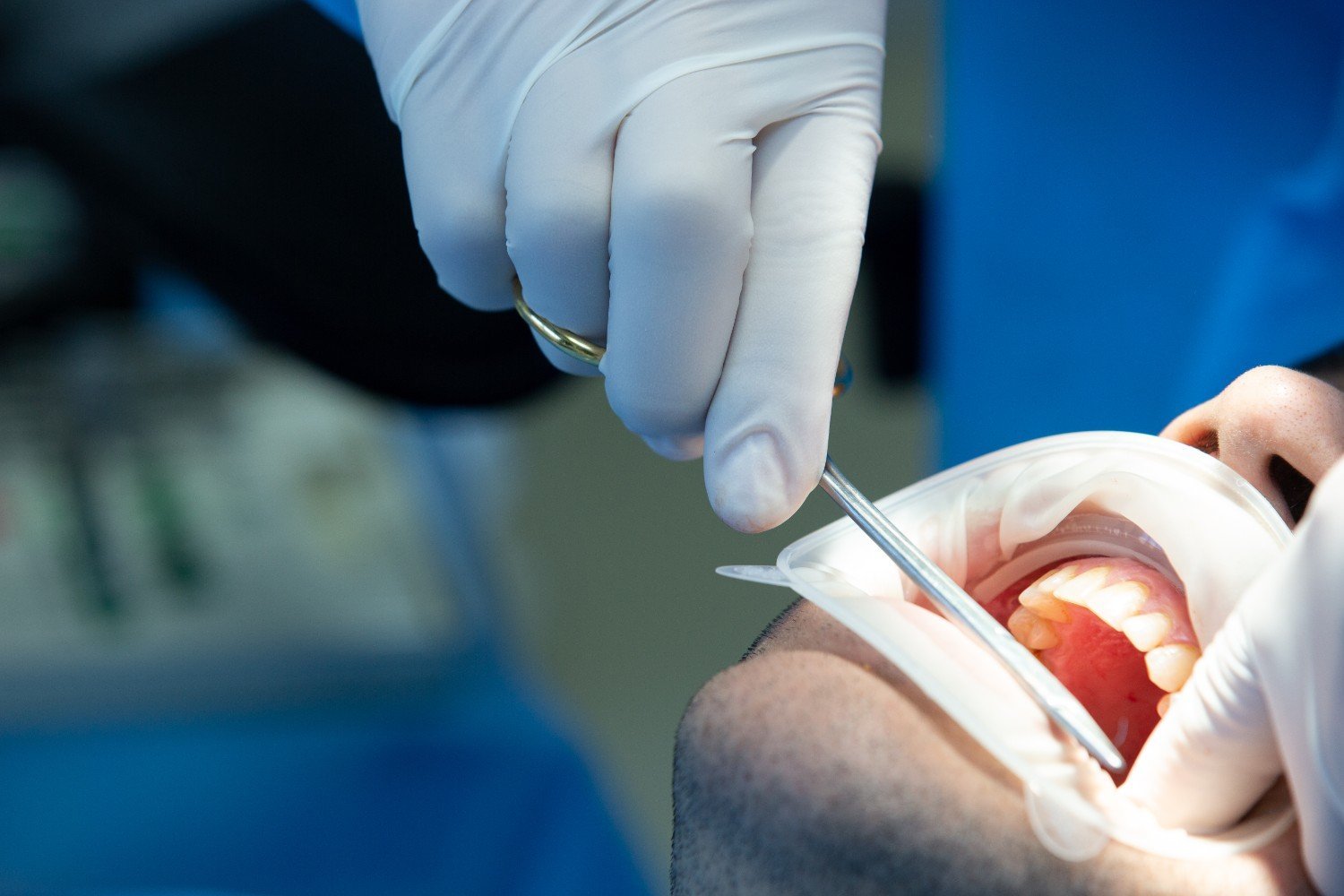
Surgical Instruments are essential medical tools used by healthcare professionals to perform surgeries and clinical procedures with accuracy, safety, and control. These instruments help doctors in cutting, holding, clamping, suturing, and examining tissues during medical treatment. In modern healthcare, they are fundamental for improving patient care, reducing risks, and ensuring successful surgical outcomes.
What Are Surgical Instruments?
Surgical instruments are specially designed tools used in medical and surgical procedures to perform specific functions such as tissue cutting, organ handling, bleeding control, and wound closure. Most of these instruments are manufactured using medical-grade stainless steel, which provides strength, corrosion resistance, and long-lasting durability. This ensures that the tools remain safe, hygienic, and effective even after repeated sterilization cycles.
Importance in Medical Practice
Surgical instruments are used in almost every branch of medicine, including general surgery, orthopedics, dentistry, gynecology, and emergency care. Their primary role is to assist healthcare professionals in performing precise and controlled procedures. High-quality instruments reduce surgical errors, improve accuracy, and help minimize complications during operations. As a result, they play a key role in patient safety and faster recovery.
Main Types of Surgical Instruments
Cutting and Dissecting Instruments
Cutting instruments are used to make incisions or separate tissues during surgery. Common examples include scalpels, blades, and surgical scissors. These tools are designed for sharp, clean cuts that reduce tissue damage and support faster healing.
Grasping and Holding Instruments
Grasping tools such as forceps and clamps are used to hold tissues, organs, or objects securely during surgical procedures. They help surgeons maintain stability and precision, especially in delicate operations where control is critical.
Clamping and Hemostatic Instruments
These instruments are used to control bleeding by clamping blood vessels. Hemostats and artery forceps are commonly used to ensure a clear surgical field and prevent excessive blood loss during procedures.
Retracting Instruments
Retractors are used to hold back tissues or organs, allowing better visibility and access to the surgical area. This improves accuracy and helps surgeons perform procedures more efficiently.
Suturing Instruments
Suturing instruments, such as needle holders, are used to close wounds and surgical incisions. They help align tissues properly and support healing while reducing the risk of infection.
Role in Modern Healthcare
Surgical instruments are vital for ensuring safe, effective, and efficient medical procedures. High-quality tools enhance surgical precision, reduce infection risks, and support quicker recovery for patients. They are widely used in hospitals, clinics, operating rooms, and emergency care units. Without these instruments, modern surgical practices would not be possible.
Benefits of High-Quality Instruments
Using high-quality surgical instruments improves overall healthcare performance. They offer better durability, sharper precision, and greater resistance to wear and sterilization processes. Ergonomic designs also reduce fatigue for medical professionals, allowing better focus during long surgical procedures.
Conclusion
At Intubation Healthcare provides surgical instruments designed for precision, safety, and reliability. Our high-quality tools support healthcare professionals in performing accurate and efficient medical procedures across all clinical settings.
These surgical instruments are crafted to assist in everything from basic examinations to complex and life-saving surgeries. With durable stainless steel construction, they ensure consistent performance, hygiene, and long-term use in demanding healthcare environments.
Overall, our surgical instruments help improve patient outcomes by enhancing surgical accuracy and safety. They play a vital role in modern medicine, supporting doctors and surgeons in delivering effective care and saving lives every day.