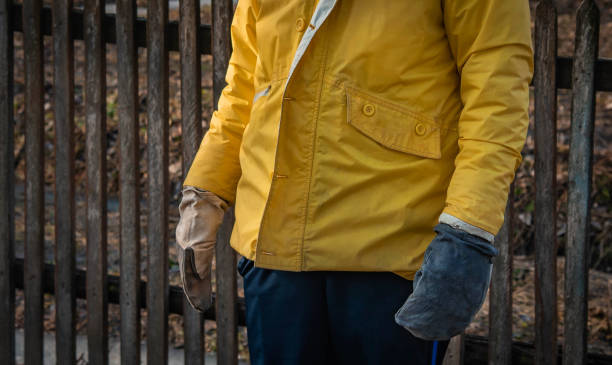
When it comes to choosing the right protective clothing for demanding environments, understanding Waterproof vs Water-Resistant Workwear is essential. Whether your team works outdoors, in construction zones, industrial facilities, or unpredictable weather conditions, the right apparel can directly impact comfort, safety, and productivity. Rain, moisture, and humidity can reduce efficiency and even create hazardous conditions if workers are not properly equipped. That’s why selecting the appropriate gear is more than just a fashion decision it’s a strategic investment in workforce performance.
Businesses looking to upgrade their uniforms often explore durable Water-Resistant Workwear options while also considering branding through custom company uniform design. At Futuremind uniforms, we understand that functionality and professional appearance go hand in hand. Knowing the real difference between waterproof and water-resistant materials helps employers make informed decisions that balance cost, protection, and long-term durability. In this detailed guide, we’ll break down everything you need to know about Waterproof vs Water-Resistant Workwear so you can confidently choose the best solution for your team.
What Is Water-Resistant Workwear?
Water-resistant clothing is designed to repel light moisture such as drizzle, splashes, or short exposure to damp conditions. The fabric typically features a tightly woven structure or a protective coating that prevents water from easily penetrating the surface.
However, water-resistant materials are not completely impervious to water. After prolonged exposure or heavy rainfall, moisture may seep through. This makes Water-Resistant Workwear ideal for:
Light outdoor tasks
- Short-term exposure to rain
- Humid environments
- Indoor workplaces with occasional splashes
The biggest advantage of water-resistant garments is breathability. Workers stay comfortable without overheating, making them perfect for physically demanding jobs where airflow matters. Additionally, water-resistant options are generally lighter, more flexible, and more affordable than fully waterproof gear.
What Is Waterproof Workwear?
In the discussion of Waterproof vs Water-Resistant Workwear, waterproof garments offer a higher level of protection. These are specifically engineered to block water entirely, even during heavy rainfall or continuous exposure.
Waterproof clothing is typically made with:
Sealed or taped seams
Waterproof membranes
Advanced coated fabrics
High water pressure resistance ratings
Unlike water-resistant apparel, waterproof workwear prevents water penetration completely. This makes it essential for workers exposed to:
Heavy rain or storms
Marine environments
Construction sites in monsoon seasons
Outdoor jobs with prolonged exposure
However, fully waterproof garments may sometimes reduce breathability unless advanced moisture-wicking technologies are included. They can also feel slightly heavier compared to water-resistant options.
Key Differences Between Waterproof and Water-Resistant Workwear
Understanding the differences in Waterproof vs Water-Resistant Workwear helps businesses select gear based on specific job requirements. Here are the main distinctions:
1. Level of Protection
Waterproof garments provide complete protection against water penetration. Water-resistant clothing only protects against light moisture.
2. Breathability
Water-resistant fabrics tend to be more breathable and comfortable for extended physical activity. Waterproof gear may trap more heat unless specially designed with ventilation features.
3. Durability in Heavy Conditions
For long hours in heavy rain, waterproof is the clear winner. Water-resistant garments may eventually absorb moisture.
4. Cost
Water-resistant options are typically more affordable. Waterproof garments often involve advanced materials, increasing the price.
5. Weight and Flexibility
Water-resistant clothing is generally lighter and more flexible, while waterproof apparel may feel thicker or more structured.
When Should You Choose Water-Resistant Workwear?
If your team works in environments with occasional exposure to moisture rather than constant rainfall, Water-Resistant Workwear is often sufficient. Industries that benefit from water-resistant options include:
Warehouse operations
Delivery services
Facility maintenance
Landscaping in mild climates
Manufacturing units
These garments provide adequate protection without compromising comfort. Additionally, they allow for easier integration into custom company uniform design, as the fabric is more adaptable for embroidery and branding.
When Is Waterproof Workwear Necessary?
Waterproof gear becomes essential when employees face extreme weather conditions. Industries that require full waterproof protection include:
Construction during rainy seasons
Oil and gas sectors
Roadwork crews
Fishing and marine industries
Outdoor event management
In such environments, safety and dryness are non-negotiable. Choosing waterproof over water-resistant ensures that workers remain protected, focused, and productive.
The Role of Fabric Technology
Modern advancements have blurred the lines in the Waterproof vs Water-Resistant Workwear debate. Today’s manufacturers use advanced coatings, laminated membranes, and seam-sealing technologies to enhance performance.
Some garments now offer hybrid solutions combining water-resistant breathability with reinforced waterproof panels in high-exposure areas. This innovation allows businesses to provide comfort without sacrificing protection.
Customization and Branding Considerations
Beyond functionality, professional presentation matters. Businesses increasingly invest in custom company uniform design to enhance brand visibility and team identity.
When choosing between waterproof and water-resistant options for branding, consider:
Logo application method (embroidery vs printing)
Fabric compatibility
Long-term durability of branding elements
Color retention after repeated washing
Water-Resistant Workwear often offers greater flexibility for detailed customization due to its lighter structure. Waterproof garments may require specialized printing techniques to maintain integrity.
Futuremind uniforms focuses on combining protective features with professional aesthetics. Whether selecting water-resistant or waterproof options, uniform consistency strengthens brand recognition while maintaining workplace safety.
Comfort vs Protection: Striking the Right Balance
In the ongoing comparison of Waterproof vs Water-Resistant Workwear, there is no one-size-fits-all answer. The right choice depends on:
Climate conditions
Duration of exposure
Physical activity levels
Budget considerations
Branding needs
For teams operating in varied conditions, a combination of both types may be the most effective strategy. For example, providing water-resistant daily wear with waterproof outer layers for extreme weather ensures flexibility and cost efficiency.
Maintenance and Longevity
Proper care extends the life of both waterproof and water-resistant garments. Maintenance tips include:
Following manufacturer washing instructions
Avoiding harsh detergents
Reapplying protective coatings when necessary
Storing garments in dry environments
Over time, water-resistant coatings may weaken, while waterproof membranes can degrade if improperly maintained. Investing in high-quality materials ensures longer durability and better overall performance.
Making the Smart Choice for Your Workforce
Choosing between Waterproof vs Water-Resistant Workwear ultimately depends on understanding your team’s daily challenges. Employers must evaluate environmental exposure, comfort needs, and professional appearance requirements before making a decision.
At Futuremind uniforms, the goal is to help businesses find the perfect balance between safety, durability, and design. By combining advanced fabric technology with thoughtful custom company uniform design, companies can ensure their teams look professional while staying protected.
Conclusion:
In the debate of Waterproof vs Water-Resistant Workwear, the key difference lies in the level of moisture protection and overall performance under varying weather conditions. Waterproof garments offer complete protection during heavy rain and prolonged exposure, while Water-Resistant Workwear provides lightweight comfort and protection against light moisture. Understanding these differences allows businesses to make strategic decisions that protect employees without overspending on unnecessary features.
Ultimately, selecting the right workwear solution means considering climate, industry demands, and branding goals. Whether you choose waterproof protection or versatile Water-Resistant Workwear, combining functionality with custom company uniform design ensures your workforce remains safe, comfortable, and professionally presented. By making an informed choice, companies can enhance productivity, reinforce brand identity, and equip their teams with apparel designed for real-world performance.
Tags : company uniform in dubai