Water Tanks at Port Stephens: Are They Still a Smart Investment for Homeowners in 2026?
By Jane Rochstad 15-06-2026 69
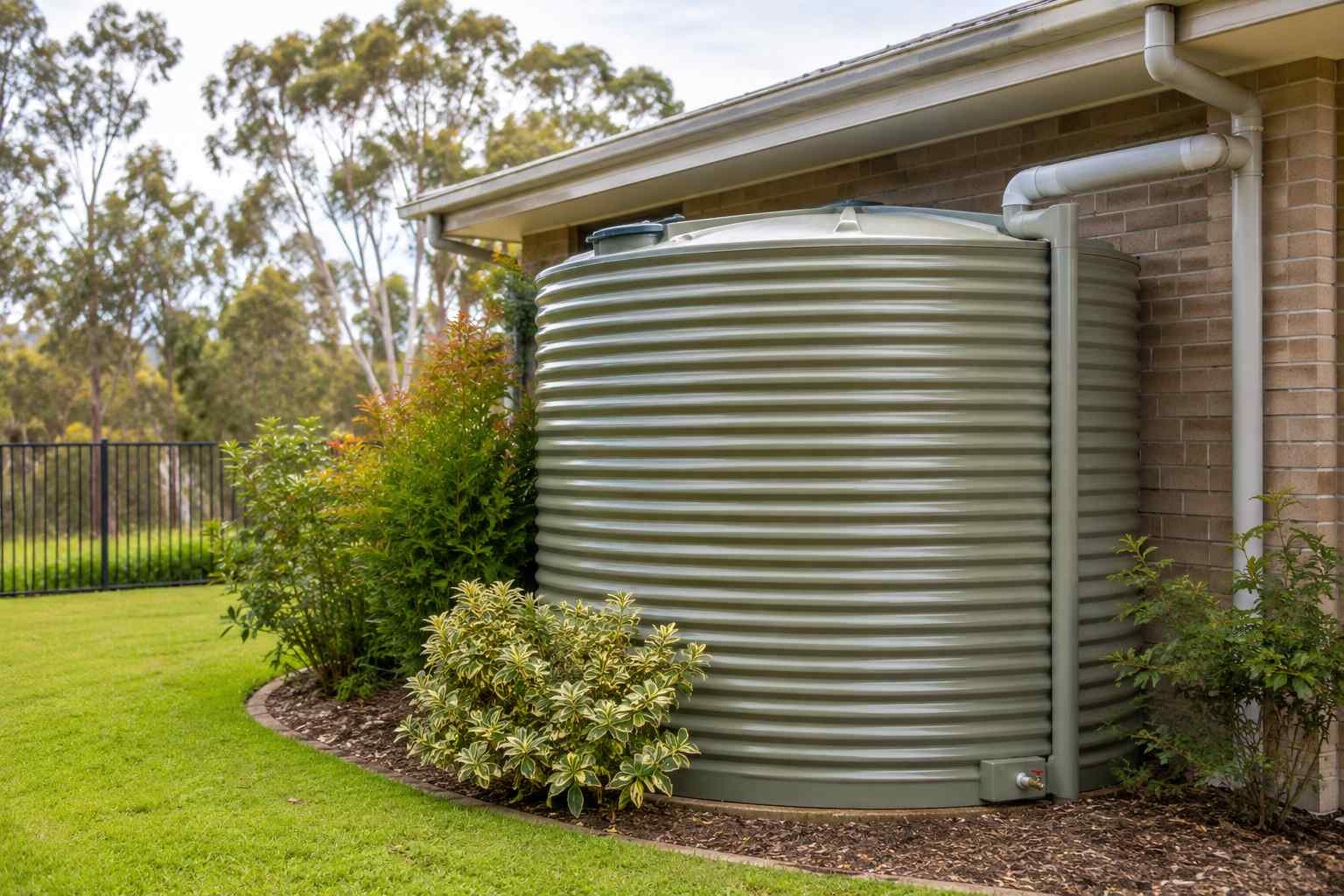
For many Australian homeowners, water conservation has shifted from being a niche environmental concern to a practical household consideration. As communities continue to balance sustainability goals, rising living costs, and changing weather patterns, rainwater harvesting remains a topic of interest. One question that continues to surface among property owners is whether Water Tanks at Port Stephens are still a worthwhile investment in 2026.
While every household's circumstances differ, water tanks continue to offer a range of practical benefits that extend beyond simply reducing water consumption. From improving water security to supporting sustainable living, understanding the role of water storage systems can help homeowners make more informed decisions about their property.
Why Water Security Matters More Than Ever
Australia has always experienced cycles of drought and heavy rainfall. Although weather conditions vary significantly from year to year, many homeowners are becoming increasingly aware of the importance of managing available water resources effectively.
Rainwater tanks provide a simple way to capture and store rainfall that would otherwise run off roofs and into stormwater systems. Instead of allowing this resource to go unused, homeowners can store it for future needs such as gardening, outdoor cleaning, and other household applications.
Water security is not solely about preparing for drought conditions. It is also about having greater control over available resources and reducing reliance on external infrastructure whenever possible.
Understanding How Rainwater Tanks Work
At their core, rainwater tanks are straightforward systems. Rainwater is collected from roof surfaces through gutters and downpipes before being directed into a storage tank. Depending on the setup, the stored water may then be used for various non-potable purposes around the home.
Common uses include:
- Garden irrigation
- Washing vehicles
- Cleaning outdoor areas
- Filling ponds or water features
- Toilet flushing
- Laundry use (where systems are appropriately connected)
The versatility of these systems contributes significantly to their ongoing popularity among homeowners.
The Financial Considerations
One of the most common questions surrounding Water Tanks at Port Stephens is whether they provide meaningful financial value.
The answer depends on several factors, including household water consumption, tank capacity, local rainfall patterns, and installation costs.
Initial Investment
The upfront cost of a rainwater tank system varies depending on:
- Tank size
- Material type
- Installation requirements
- Plumbing connections
- Site accessibility
Larger properties with substantial outdoor areas may require higher-capacity systems, while smaller homes may benefit from more compact designs.
Long-Term Savings
Although water tanks are not typically installed solely to generate immediate savings, they may help reduce reliance on mains water for certain household activities.
For households that regularly water gardens, maintain landscaping, or use significant volumes of outdoor water, these reductions can become more noticeable over time.
The true value often lies in the combination of water savings, convenience, and improved self-sufficiency rather than direct financial returns alone.
Environmental Benefits That Continue to Matter
Environmental sustainability remains a key motivation for many homeowners considering rainwater harvesting systems.
By capturing and using rainfall onsite, households may reduce demand on municipal water supplies. This can contribute to broader conservation efforts, particularly during periods of increased water usage.
Rainwater collection may also help reduce stormwater runoff, which can place pressure on local drainage systems during heavy rainfall events.
These benefits are often achieved without requiring significant lifestyle changes, making water tanks an accessible sustainability measure for many households.
Could a Water Tank Add Property Appeal?
Property buyers are increasingly interested in homes that incorporate practical sustainability features.
While a rainwater tank alone may not determine a property's value, it can contribute positively to a home's overall appeal. Features that support resource efficiency often resonate with buyers who appreciate long-term cost management and environmental responsibility.
In areas where outdoor living, gardening, and landscaping are popular, access to stored rainwater may be viewed as a useful asset.
Those interested in broader property improvement strategies may also find useful insights within The Consumers Feedback's articles on construction and home development topics, including resources found in their Construction & Development section.
Similarly, homeowners researching property-related upgrades may benefit from browsing content within the Residential Property category.
These resources provide additional perspectives on making informed decisions about residential investments.
Is Every Property Suitable for a Water Tank?
Although water tanks offer many advantages, they are not necessarily the ideal solution for every property.
Before investing, homeowners should consider several factors.
Available Space
Tank size and placement can influence the overall practicality of a system. Some properties accommodate large above-ground tanks comfortably, while others may require slimline or more compact options.
Household Water Usage
Understanding how water is used throughout the property can help determine whether a tank is likely to provide meaningful benefits.
Households with extensive gardens, outdoor entertaining spaces, or larger family sizes may experience greater utility from stored rainwater.
Local Rainfall Patterns
Rainfall frequency and collection potential play an important role in system performance. Properties with large roof catchment areas often have greater opportunities to capture useful volumes of water throughout the year.
Common Mistakes Homeowners Should Avoid
When researching Water Tanks at Port Stephens, several common mistakes frequently emerge.
Choosing the Wrong Tank Size
A tank that is too small may not adequately meet household needs, while an oversized tank may represent unnecessary expense.
Finding an appropriate balance between storage capacity and intended use is essential.
Focusing Solely on Price
While affordability matters, selecting a system based purely on the lowest cost may overlook important considerations such as durability, warranty coverage, and long-term performance.
Ignoring Future Needs
Household requirements often change over time. Future landscaping projects, growing families, or property improvements may increase water demand.
Planning ahead can help ensure a system remains suitable for years to come.
Learning From Local Knowledge
Research plays an important role in making informed decisions about rainwater storage systems.
Many homeowners seek local information to better understand which tank sizes, materials, and configurations are suitable for their specific circumstances. For those exploring local options, resources such as Water Tanks at Port Stephens – Cessnock Tank Works provide useful information about rainwater storage solutions and considerations relevant to the Port Stephens region.
Consulting educational resources and local expertise can help homeowners evaluate available options based on practical requirements rather than assumptions.
Are Water Tanks at Port Stephens Still Worth Considering in 2026?
For many households, the answer remains yes.
Water tanks continue to offer a practical combination of water security, sustainability, and resource management benefits. While they may not be the right solution for every property, they remain highly relevant for homeowners seeking greater control over water usage and improved resilience during changing environmental conditions.
The decision ultimately depends on individual circumstances, including property size, household needs, available space, and long-term goals. By evaluating these factors carefully, homeowners can determine whether a rainwater tank aligns with their broader plans for their property.
As sustainability and resource efficiency continue to influence housing decisions, water tanks remain a practical feature worthy of consideration in 2026 and beyond.