Virtual Asset Trading Platform: Securely Managing Digital Investments
By Freya Parker 17-06-2026 117
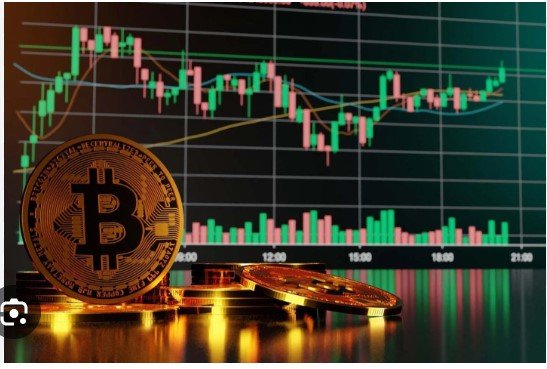
With the rise of digital finance, a virtual asset trading platform has become an essential tool for investors and businesses looking to buy, sell, and manage digital assets efficiently. These platforms provide secure and regulated environments for trading cryptocurrencies, tokenized assets, and other digital investments, helping users navigate the fast-paced world of virtual finance.
A virtual asset trading platform simplifies digital asset management by offering user-friendly interfaces, real-time market analytics, and risk management tools. For both beginners and experienced investors, these platforms ensure a safe and efficient trading experience.
What Is a Virtual Asset Trading Platform?
A virtual asset trading platform is an online service that allows users to trade digital assets. Key functions include:
- Buying and selling cryptocurrencies and digital tokens
- Storing assets securely in digital wallets
- Accessing real-time market data and trends
- Using tools to analyze and manage portfolios
These platforms act as the bridge between digital asset markets and users, providing secure, regulated, and accessible trading options.
Key Features of a Virtual Asset Trading Platform
Secure Wallets
Digital wallets provided by platforms store assets safely, protecting them from theft or unauthorized access. Advanced encryption and security protocols are standard features.
Real-Time Market Data
Platforms offer live price charts, market trends, and historical data to help users make informed trading decisions.
Trading Pairs and Liquidity
Users can trade multiple cryptocurrencies and tokens efficiently. High liquidity ensures faster execution of orders with minimal price slippage.
Risk Management Tools
Advanced features like stop-loss orders, portfolio trackers, and analytics help users manage their investments effectively.
Regulatory Compliance
Reputable platforms comply with local regulations, implementing KYC (Know Your Customer) and AML (Anti-Money Laundering) measures for safe and legal operations.
Benefits of Using a Virtual Asset Trading Platform
Accessibility
Platforms make digital asset trading available to users worldwide, offering convenient access via web or mobile applications.
Efficiency
Automated order execution and integrated analytics allow investors to trade multiple assets with minimal manual effort.
Security and Transparency
Blockchain and encryption technologies ensure transactions are secure and verifiable, building trust in the system.
Market Insights
Platforms often provide research, reports, and educational resources to help users understand trends and make better trading decisions.
For a reliable and regulated experience, consider using a virtual asset trading platform to manage your digital investments safely.
Risks Associated with Virtual Asset Trading Platforms
Although these platforms offer many advantages, investors should be aware of potential risks:
- Market Volatility: Digital assets fluctuate rapidly
- Cybersecurity Threats: Platforms may be targeted by hackers
- Regulatory Uncertainty: Legal frameworks are still evolving globally
- Fraudulent Platforms: Using unverified platforms can lead to losses
Best Practices for Safe Trading
- Choose regulated platforms for compliance and security
- Secure assets with hardware or trusted digital wallets
- Diversify holdings to reduce risk exposure
- Keep updated on market and regulatory changes
The Future of Virtual Asset Trading Platforms
Virtual asset trading platforms are evolving alongside technology. Key trends include:
- Integration with traditional financial systems
- Growth of decentralized exchanges (DEXs) for peer-to-peer trading
- AI-powered analytics for predictive market insights
- Enhanced blockchain security and interoperability
These advancements indicate that trading platforms will continue to play a central role in the digital financial ecosystem.
FAQs
1. What can I trade on a virtual asset trading platform?
Users can trade cryptocurrencies, stablecoins, utility tokens, and tokenized real-world assets.
2. Are trading platforms regulated in Hong Kong?
Yes. Platforms must comply with licensing, KYC, AML, and investor protection regulations.
3. How do I protect my investments on these platforms?
Use regulated platforms, implement secure storage practices, diversify your portfolio, and stay informed about regulations and market trends.
Conclusion
Virtual asset trading platforms provide a secure, transparent, and efficient way to manage digital investments. By understanding their features, benefits, and risks, investors can confidently engage in trading while leveraging tools and insights for better decision-making. Using regulated platforms ensures a safe trading environment and positions users to benefit from the rapidly growing digital asset market.