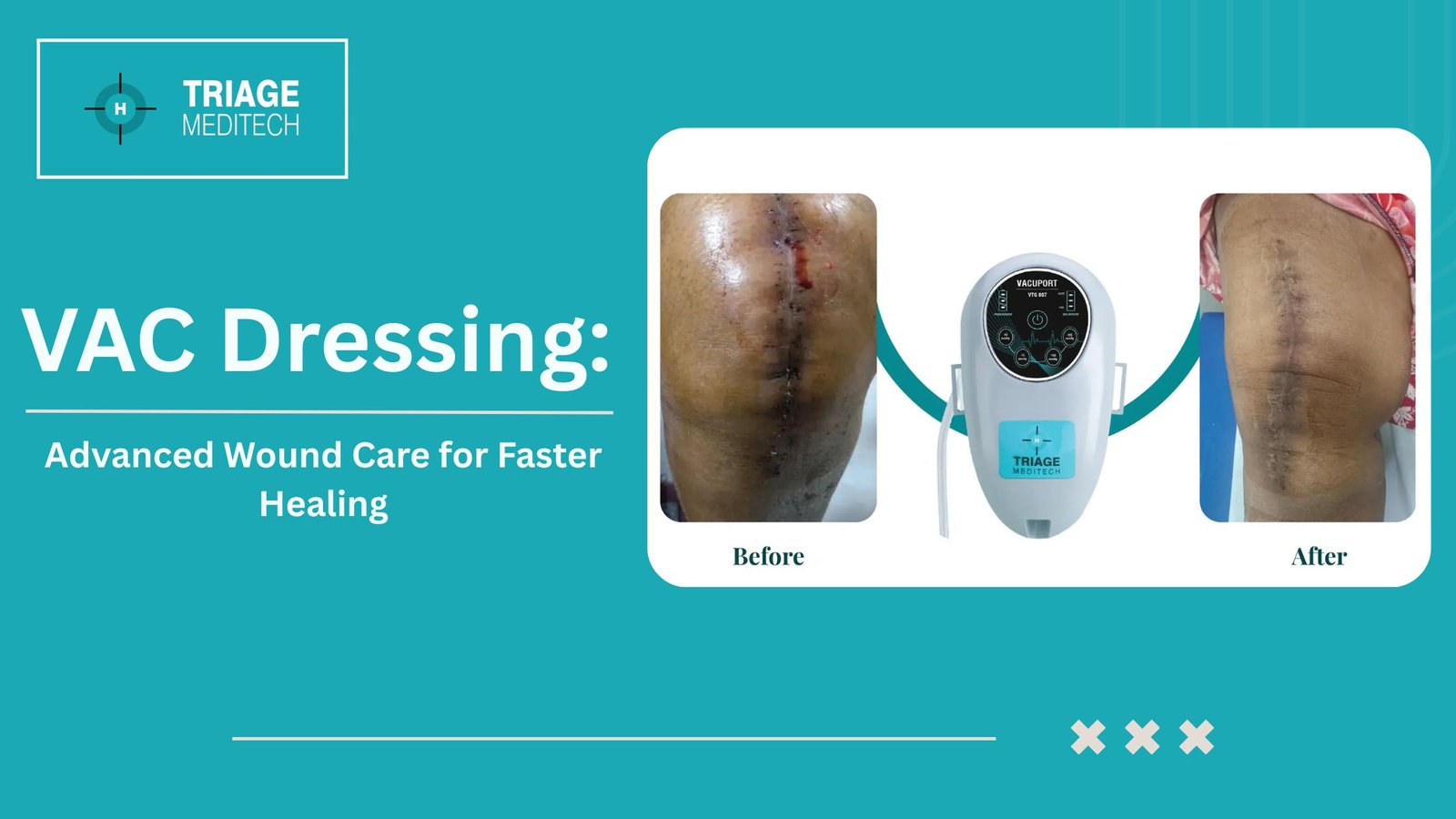
Wound care has evolved significantly with the introduction of modern medical technologies, and VAC dressing (Vacuum-Assisted Closure) stands out as one of the most effective innovations. Used widely in hospitals and home care settings, VAC dressing helps accelerate wound healing, reduce infection risk, and improve patient comfort. Whether treating surgical wounds, chronic ulcers, or traumatic injuries, this advanced therapy has become a cornerstone in modern wound management. In this blog, we’ll explore what VAC dressing is, how it works, its benefits, applications, and important considerations.
What is VAC Dressing?
VAC dressing, also known as Negative Pressure Wound Therapy (NPWT), is a medical technique that uses controlled suction to promote wound healing. The system typically includes a foam or gauze dressing, an adhesive film, a drainage tube, and a vacuum pump.
The dressing is placed directly over the wound, sealed with a transparent film, and connected to a machine that applies negative pressure. This suction helps remove excess fluid, bacteria, and debris from the wound while encouraging tissue growth.
How VAC Dressing Works
Controlled Negative Pressure
The core principle behind VAC dressing is the application of negative pressure. This gentle suction:
- Draws out excess fluids and infectious materials
- Reduces swelling (edema)
- Improves blood circulation to the wound area
Promotes Tissue Growth
The vacuum environment stimulates the formation of granulation tissue, which is essential for wound healing. It also helps edges of the wound come together more quickly.
Maintains a Moist Environment
VAC dressing keeps the wound moist but not overly wet—an ideal condition for faster healing and reduced scarring.
Benefits of VAC Dressing
Faster Healing Time
Compared to traditional wound dressings, VAC therapy significantly speeds up recovery, especially in chronic or non-healing wounds.
Reduced Risk of Infection
By continuously removing bacteria-laden fluids, VAC dressing lowers the chances of infection.
Improved Blood Flow
The negative pressure enhances circulation, delivering oxygen and nutrients to the wound site.
Less Frequent Dressing Changes
VAC dressings typically need to be changed every 48–72 hours, reducing discomfort and workload for caregivers.
Enhanced Patient Comfort
Patients often experience less pain and better mobility compared to conventional wound treatments.
Common Applications of VAC Dressing
Surgical Wounds
VAC dressing is widely used after surgeries to prevent complications and promote faster healing.
Diabetic Foot Ulcers
Chronic wounds in diabetic patients benefit greatly from this therapy due to improved circulation and infection control.
Pressure Ulcers (Bedsores)
VAC therapy helps manage deep pressure sores by removing dead tissue and stimulating healing.
Traumatic Injuries
Open wounds from accidents or injuries can heal more effectively with vacuum-assisted therapy.
Burns and Skin Grafts
VAC dressing supports graft adherence and improves healing outcomes in burn patients.
Types of VAC Dressing Systems
Portable VAC Devices
These are compact, battery-operated systems suitable for home care, allowing patients to move freely.
Hospital-Based Systems
More advanced systems used in clinical settings for severe or complex wounds.
Foam vs. Gauze Dressings
- Foam dressings are commonly used for deep wounds
- Gauze dressings are better for shallow or irregular wounds
How to Apply VAC Dressing
Step-by-Step Overview
- Clean and prepare the wound thoroughly
- Cut foam or gauze to fit the wound size
- Place the dressing gently into the wound
- Cover with an adhesive film to create an airtight seal
- Attach the vacuum tube and connect to the pump
- Set the prescribed negative pressure level
Note: Application should always be performed by trained healthcare professionals to ensure safety and effectiveness.
Precautions and Considerations
Not Suitable for All Wounds
VAC dressing is not recommended for:
- Untreated osteomyelitis (bone infection)
- Malignant wounds
- Necrotic tissue with eschar
- Exposed blood vessels or organs
Monitoring is Essential
Regular monitoring is necessary to check for:
- Signs of infection
- Proper functioning of the device
- Patient comfort and tolerance
Possible Side Effects
While generally safe, some patients may experience:
- Mild discomfort or pain
- Skin irritation from adhesive
- Bleeding in rare cases
VAC Dressing in Home Care
With advancements in portable devices, VAC dressing is increasingly used in home healthcare settings. Patients can continue their recovery outside the hospital under medical supervision. This not only reduces hospital stays but also improves quality of life.
Caregivers and patients must be properly trained in:
- Device operation
- Dressing maintenance
- Recognizing warning signs
Cost and Accessibility
VAC dressing may initially seem more expensive than traditional methods, but it often proves cost-effective in the long run due to:
- Faster healing
- Fewer complications
- Reduced hospital visits
Many healthcare providers and insurance plans now cover VAC therapy, making it more accessible to patients.
Conclusion
VAC dressing has revolutionized wound care by offering a scientifically advanced, efficient, and patient-friendly solution. Its ability to promote faster healing, reduce infection risks, and improve overall outcomes makes it a preferred choice among healthcare professionals. While it may not be suitable for every type of wound, its benefits in appropriate cases are undeniable.
As medical technology continues to evolve, VAC dressing remains a powerful tool in enhancing patient recovery and quality of care. If you or a loved one is dealing with a complex wound, consulting a healthcare provider about VAC therapy could be a crucial step toward faster healing.