Understanding LED Pixel Pitch Viewing Distance for Indoor and Outdoor Screens
By Eliteinfotech Oman security 18-09-2026 1
Choosing an LED display is not simply a matter of selecting the biggest screen or the highest resolution. One of the most important technical decisions is understanding LED pixel pitch viewing distance, because the relationship between pixel pitch and audience distance directly affects image sharpness, readability, viewing comfort, and the overall value of an LED display investment. Whether the screen is being installed inside a corporate reception area, shopping mall, control room, stadium, roadside location, or outdoor advertising structure, selecting the right pixel pitch helps ensure that the display performs as intended.
What Does LED Pixel Pitch Actually Mean?
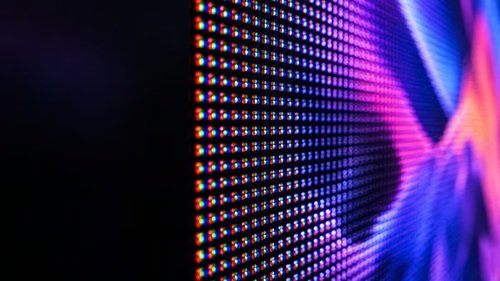
Pixel pitch refers to the distance, measured in millimetres, between the centres of two adjacent LED pixels. It is commonly written as P1.2, P1.5, P2.5, P3, P4, P5, and so on. The smaller the number, the closer the individual pixels are positioned to one another.
That distinction matters because a tighter pixel arrangement creates greater pixel density. A P1.2 LED display, for example, contains substantially more pixels within the same physical area than a P5 display. This allows viewers standing relatively close to the screen to see smoother images, cleaner text, and finer details without easily noticing the individual LED pixels.
However, smaller is not automatically better in every application. If an outdoor billboard is viewed from a considerable distance, investing in an extremely fine pixel pitch may add cost without delivering a meaningful visual improvement to the audience. The right choice depends on how, where, and from how far the display will actually be viewed.
The Connection Between Pixel Pitch and Viewing Distance
The simplest way to understand the relationship is this: the closer the viewer is to the LED screen, the finer the pixel pitch generally needs to be.
For indoor installations where people may stand only a few metres away, a fine-pitch LED display can provide a more seamless visual experience. In meeting rooms, retail environments, museums, broadcast studios, luxury showrooms, and reception areas, viewers often examine content at relatively close range. A coarse pixel pitch can make text and detailed graphics appear less refined.
Outdoor displays work differently. A large advertising screen beside a highway, for instance, may be viewed from tens or even hundreds of metres away. At that distance, individual pixels become difficult to distinguish, so a larger pixel pitch can often provide an effective viewing experience while keeping the project commercially practical.
A useful rule of thumb is that the minimum comfortable viewing distance generally decreases as pixel pitch decreases. The exact distance, however, should never be determined from pixel pitch alone. Screen size, content type, brightness, resolution, viewing angle, installation height, and the visual acuity of the audience can all influence the final result.
Indoor LED Screens: Why Fine Pixel Pitch Often Matters
Indoor environments tend to demand greater image precision because viewers are frequently much closer to the display. A customer walking through a shopping centre may stand only a few metres from a digital advertising wall. Employees sitting in a conference room may spend an entire presentation looking directly at an LED screen.
For these applications, fine-pitch products such as P1.2, P1.5, P1.8, or P2.5 can be suitable depending on the viewing distance and desired image quality. Fine-pitch LED technology is particularly useful when the screen displays presentations, financial information, product details, close-up video, architectural visuals, or other content containing small text.
The installation environment also matters. In premium interiors, viewers may expect the LED surface to look almost like a continuous digital canvas. A carefully selected fine pixel pitch helps achieve that appearance without requiring the screen to be positioned unusually far away.
Outdoor LED Displays Need a Different Calculation
Outdoor LED screens face a different set of challenges. Distance is important, but so are sunlight, weather exposure, viewing angles, screen dimensions, and content visibility.
A roadside advertising screen might use P6, P8, P10, or another outdoor-oriented pixel pitch depending on its physical dimensions and audience distance. A large screen positioned high above a stadium entrance does not necessarily need the same pixel density as a display installed close to a pedestrian walkway.
Outdoor LED displays also require adequate brightness to remain visible in changing daylight conditions. Weather-resistant construction, suitable protection ratings, thermal management, maintenance access, and reliable components are equally important. Pixel pitch may determine how detailed an image appears, but it does not determine whether a display is suitable for harsh outdoor conditions.
How to Choose the Right Pixel Pitch for Your Screen
Rather than starting with a preferred pixel pitch, start with the viewing environment.
First, identify the closest realistic viewing position. A screen that can occasionally be approached closely should be assessed differently from one that viewers will only see from across a large hall.
Next, establish the typical viewing distance. This is often more useful than simply measuring the room or outdoor site. Consider where people will stand, walk, sit, or drive in relation to the display.
Then consider the content. A screen showing large logos and simple promotional videos may tolerate a different pixel pitch from a display showing spreadsheets, subtitles, product specifications, or detailed architectural imagery.
Screen dimensions are also critical. A larger LED wall with an appropriate pixel pitch can create a highly detailed viewing experience from a considerable distance. Conversely, choosing an unnecessarily fine pitch for a very large outdoor installation may increase the project budget without creating a proportionate benefit.
Finally, consider brightness and environmental requirements. For outdoor installations in the UAE and other regions with intense sunlight, brightness, heat management, durability, and installation engineering deserve the same attention as resolution.
Why Professional Installation Makes a Difference
LED technology is highly configurable, but that flexibility also makes proper planning important. A technically impressive LED cabinet can still deliver disappointing results if the screen is poorly positioned, incorrectly calibrated, inadequately supported, or paired with unsuitable processing equipment.
Professional installers assess the complete environment rather than treating pixel pitch as an isolated specification. They can evaluate the expected audience distance, screen dimensions, mounting structure, power requirements, content requirements, brightness, maintenance access, and environmental conditions before recommending a configuration.
For businesses investing in a permanent LED installation, this approach can also help avoid expensive changes later. Replacing an incorrectly specified LED wall after installation is considerably more complicated than selecting the appropriate technology during the planning stage.
Pixel Pitch Is Only One Part of the Picture
It is tempting to make pixel pitch the headline specification, but a high-performing LED display involves several interconnected components. Refresh rate can influence the appearance of moving content and camera footage. Colour consistency affects the quality of images and video. Brightness affects visibility. Contrast contributes to perceived image depth. Cabinet design influences installation and maintenance.
For outdoor screens, protection against dust and moisture is particularly important. For indoor installations, low-profile cabinet construction, front maintenance, seamless appearance, and integration with existing interiors may take priority.
This is why two displays with the same pixel pitch can produce noticeably different results. LED performance is ultimately determined by the complete system, not one number printed on a specification sheet.
A Practical Way to Think About LED Pixel Pitch Viewing Distance
Imagine standing one metre from an LED wall and then moving twenty metres away. At close range, your eyes can resolve much more of the screen's pixel structure. As you move farther away, those individual pixels visually merge, and the display appears smoother.
That simple observation explains why there is no universal “best” pixel pitch. The correct specification is the one that creates the required visual quality at the distances where the audience will actually experience the screen.
For an indoor conference room, that may mean prioritising a fine-pitch LED solution. For a large outdoor advertising structure, a larger pitch may be more appropriate. For a stadium, retail façade, transport hub, or corporate environment, the answer depends on the specific viewing geometry and content requirements.
The Smart Approach to LED Display Planning
The most effective LED display projects begin with the audience rather than the product catalogue. Measure the viewing distances, understand the content, determine the required screen size, assess the environment, and then select the pixel pitch that brings those factors together.
For organisations in the UAE and the wider region, professional consultation is particularly valuable because indoor and outdoor installations can face demanding conditions, from intense ambient light and heat to large-scale architectural requirements. A properly engineered LED display should not merely look impressive when switched on; it should remain dependable, readable, and visually effective throughout its intended operating life.
A sharper screen starts with the right distance
Elite Infotech + LED pixel pitch viewing distance: matching every pixel to the audience that matters. When the technology, viewing geometry, installation environment, and content strategy are considered together, businesses can create LED displays that communicate with clarity rather than simply occupying wall space. Explore Elite Infotech for professional LED display technology and installation solutions.
Frequently Asked Questions About LED Pixel Pitch Viewing Distance
What is LED pixel pitch viewing distance?
LED pixel pitch viewing distance describes the relationship between the spacing of pixels on an LED display and the distance from which the screen is viewed comfortably. A smaller pixel pitch is generally better suited to closer viewing, while larger pitches can be effective when audiences are positioned farther away.
Is a smaller pixel pitch always better?
Not necessarily. A smaller pitch can provide greater pixel density and improved detail at close distances, but it may not offer a meaningful advantage for viewers who are consistently far from a large screen. The appropriate choice depends on viewing distance, content, screen size, environment, and project requirements.
What pixel pitch is suitable for indoor LED displays?
Indoor applications commonly use fine pixel pitches because viewers may stand or sit relatively close to the screen. Options such as P1.2, P1.5, P1.8, and P2.5 may be considered, but the appropriate specification should be determined from the actual viewing distance and content rather than selected solely by the pitch number.
What pixel pitch is suitable for outdoor LED screens?
Outdoor screens can use larger pixel pitches because they are often viewed from greater distances. P6, P8, P10, and other configurations may be appropriate depending on the installation. Brightness, weather resistance, viewing distance, screen size, and environmental conditions must also be considered.
How can I calculate the right viewing distance for an LED screen?
There are commonly used estimation methods based on pixel pitch, but they should be treated as starting points rather than absolute rules. The most reliable assessment considers the actual viewing positions, content, screen dimensions, viewing angle, brightness, and intended application.
Does screen size affect pixel pitch selection?
Yes. Screen size and pixel pitch work together. A large display with a suitable pixel pitch can deliver detailed visuals from substantial distances, while a smaller screen viewed closely may require finer pixel density to maintain image clarity.
Why should an LED display be professionally installed?
Professional installation helps ensure that pixel pitch, screen positioning, structure, power, brightness, processing, calibration, environmental protection, and maintenance requirements are considered as one complete system. This is particularly important for large commercial and outdoor LED installations.
Tags : .....