Understanding Dissolvable Stitches After Wisdom Tooth Extraction
By xigirot663@badfist.com 11-06-2026 196
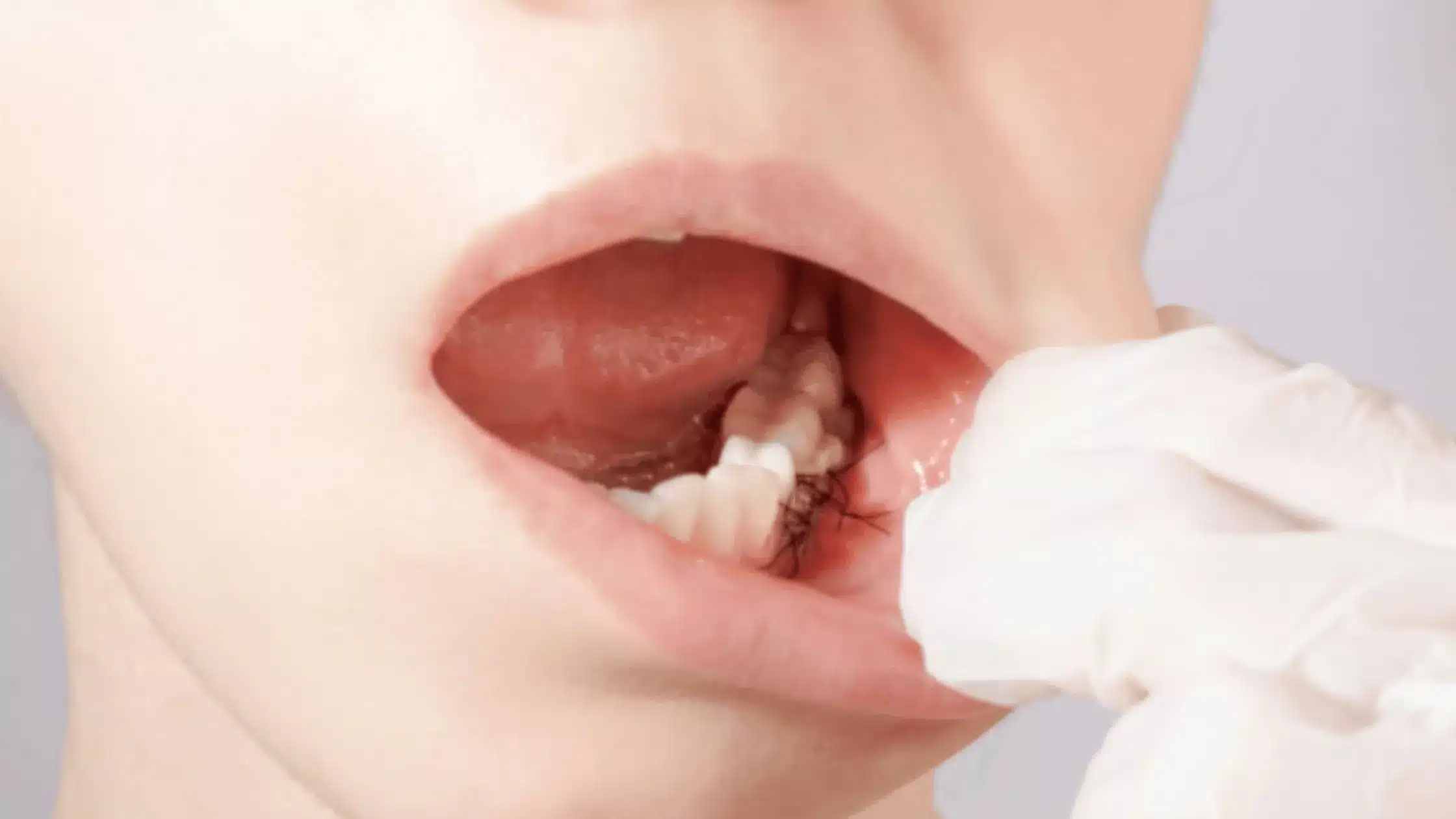
Wisdom tooth removal is a common procedure, but many patients have questions about the healing process. One of the most frequent concerns is the use of dissolvable stitches after extractions. Knowing how these stitches work, how long they last, and what to do if they come loose is essential for proper recovery.
At our dental care clinic in Cudahy, we see patients worried when their tooth implant stitches come out earlier than expected. Understanding the normal healing process helps reduce anxiety and ensures proper care.
What Are Dissolvable Stitches?
Dissolvable stitches after extractions are threads designed to support the gum tissue while it heals. Unlike traditional stitches that need removal, these stitches naturally break down over time and are absorbed by your body.
They are commonly used for:
- Wisdom tooth extractions
- Tooth implants
- Other oral surgeries
Dissolvable stitches help reduce the need for follow-up appointments solely to remove stitches, which is especially convenient for patients in Cudahy.
Why Dissolvable Stitches Are Important
Stitches serve multiple purposes after a tooth extraction:
- Protect the extraction site from infection
- Control bleeding
- Hold the gum tissue in place for faster healing
- Reduce discomfort and swelling
Even if your tooth extraction stitches came out after 5 days, it does not always indicate a problem. Many dissolvable stitches after extractions are designed to loosen or dissolve within the first week.
Types of Dissolvable Stitches
There are different types of dissolvable stitches used in oral surgery:
- Fast-dissolving: Usually last 3–5 days. Often used for minor extractions.
- Standard dissolving: Last about 7–10 days, common after wisdom tooth removal.
- Extended dissolving: Can last 2–3 weeks, used for more complex procedures like dental implants.
If your tooth implant stitches coming out sooner than expected, your dental care clinic in Cudahy can check that healing is progressing normally.
Signs to Call Your Cudahy Dentist
While some early stitch loss is normal, contact your dental care clinic in Cudahy if you notice:
- Heavy bleeding that does not stop
- Severe pain or swelling
- Stitches coming out with tissue attached
- Signs of infection such as pus or bad odor
A quick evaluation ensures there is no complication like dry socket or delayed healing.
Tips to Care for Dissolvable Stitches
To protect your stitches and support healing after wisdom tooth extraction:
- Avoid touching or poking the stitches with fingers or tongue
- Eat soft foods for the first few days
- Rinse gently with warm salt water after 24 hours
- Avoid hard, sticky, or spicy foods that may irritate the area
- Maintain regular oral hygiene while avoiding the extraction site
These tips help prevent early loosening of stitches and reduce the risk of infection.
What to Expect if Stitches Fall Out Early
If your tooth extraction stitches came out after 5 days, often there is no cause for alarm. Your gums may have already healed enough that the stitch has served its purpose.
For tooth implant stitches coming out early, your dental care clinic in Cudahy may suggest monitoring the site closely or using protective care to ensure proper healing.
Healing Timeline with Dissolvable Stitches
- Day 1–2: Swelling and minor bleeding are common
- Day 3–5: Stitches may start to loosen or dissolve
- Day 7–10: Most dissolvable stitches are gone or fully absorbed
- Day 14–21: Gum tissue should be well-healed
Following your dentist’s instructions is key to a smooth recovery.
Conclusion
Understanding dissolvable stitches after extractions helps you stay informed and calm during the healing process. If you notice your tooth extraction stitches came out after 5 days or your tooth implant stitches coming out earlier than expected, contact your dental care clinic in Cudahy immediately.
Proper care, regular monitoring, and guidance from your dentist in Cudahy will ensure a safe recovery and healthy gums. Always follow your aftercare instructions and schedule follow-ups as recommended.