Type of Suture: The Ultimate Guide to Surgical Sutures, Materials, and Clinical Applications
By triage meditech 12-02-2026 110
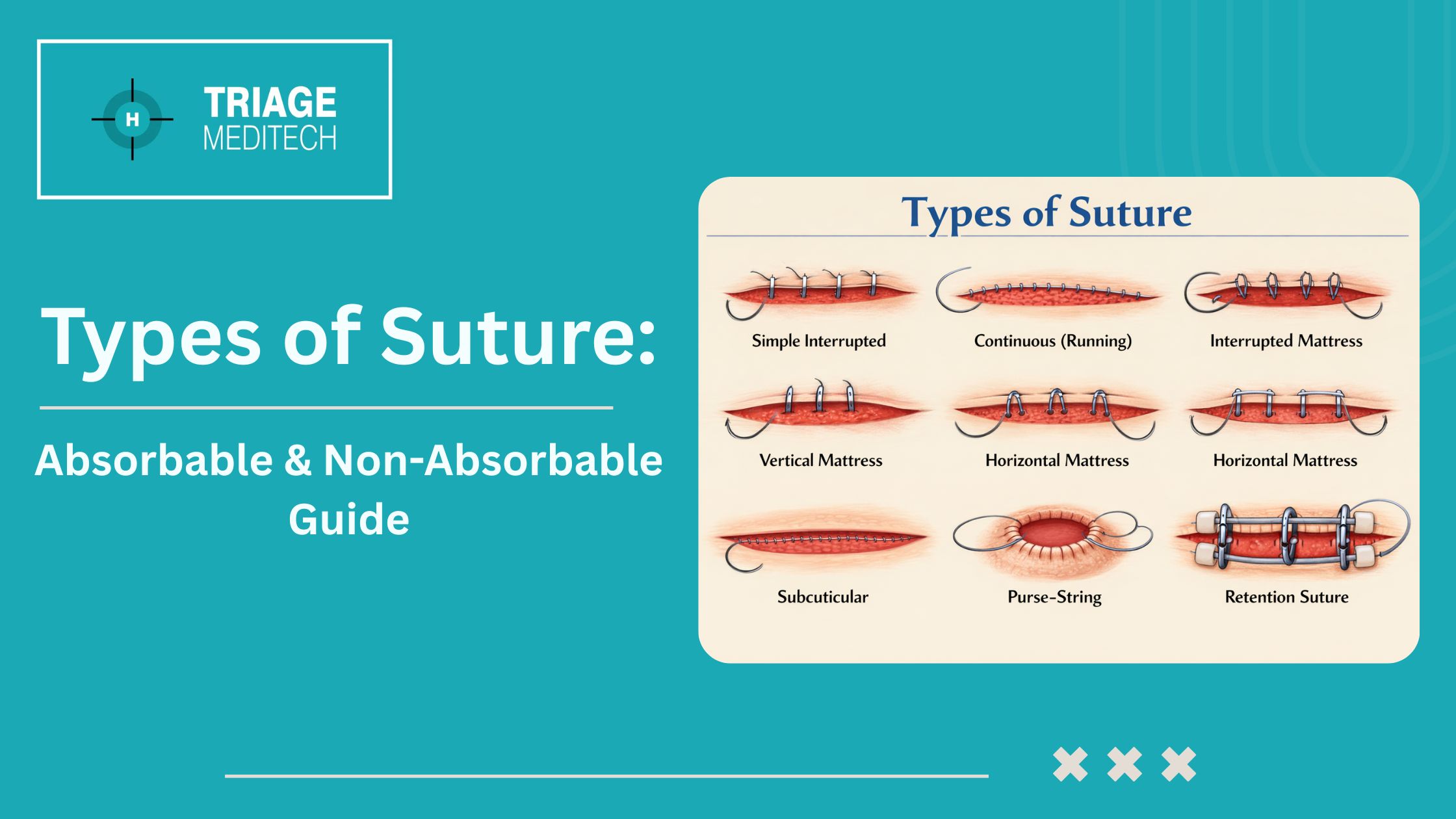
In every surgical procedure, proper wound closure is essential for safe healing and optimal patient recovery. The selection of the correct type of suture directly influences tissue repair, infection prevention, scar formation, and overall surgical success. With multiple suture materials available in modern medicine, understanding their properties and applications is critical for healthcare professionals and students alike.
This comprehensive guide explores the different types of sutures, their classifications, characteristics, advantages, and how surgeons determine the most suitable option for various procedures.
What Is a Surgical Suture?
A surgical suture is a sterile medical thread used to hold tissues together after injury or surgery. Sutures support healing by maintaining tissue alignment and providing strength during recovery.
An ideal suture should:
Maintain adequate tensile strength
Cause minimal tissue reaction
Be easy to handle and secure
Reduce infection risk
Choosing the right type of suture ensures effective wound management and improved clinical outcomes.
Major Classifications of Type of Suture
Sutures are classified based on:
Absorbability
Filament structure
Material origin
Coating and special features
Let’s examine each classification in detail.
Absorbable Sutures
Absorbable sutures are designed to break down naturally within the body over time. They eliminate the need for removal and are commonly used for internal tissues.
Common Absorbable Sutures
Polyglactin 910 (Vicryl)
Polydioxanone (PDS)
Poliglecaprone (Monocryl)
Chromic Catgut
Key Features
Gradual loss of tensile strength
Absorbed through hydrolysis or enzymatic action
Suitable for tissues that heal quickly
Clinical Uses
Internal organ repair
Muscle and fascia closure
Gynecological procedures
Pediatric surgeries
Absorbable sutures are ideal when temporary wound support is sufficient.
Non-Absorbable Sutures
Non-absorbable sutures are not broken down by the body. They may remain permanently or require removal when used externally.
Common Non-Absorbable Sutures
Nylon
Polypropylene (Prolene)
Silk
Polyester
Key Features
Long-lasting tensile strength
Durable and reliable
Used for tissues requiring prolonged support
Clinical Uses
Skin closure
Cardiovascular surgery
Orthopedic repairs
Plastic surgery
These sutures are preferred when extended mechanical support is necessary.
Monofilament Sutures
Monofilament sutures consist of a single strand of material.
Advantages
Smooth surface
Reduced tissue drag
Lower infection risk
Minimal bacterial adhesion
Examples
Nylon
Polypropylene
Monocryl
Monofilament sutures are commonly used in contaminated or high-risk wounds.
Multifilament (Braided) Sutures
Multifilament sutures are composed of multiple strands braided together.
Advantages
Superior knot security
Increased flexibility
Easier handling
Examples
Vicryl
Silk
Polyester
Although strong and easy to tie, braided sutures may have slightly higher tissue drag compared to monofilament sutures.
Natural vs Synthetic Sutures
Natural Sutures
Derived from biological sources, natural sutures include:
Silk
Catgut
They are flexible and easy to use but may produce a higher tissue reaction.
Synthetic Sutures
Synthetic sutures are manufactured for predictable performance and reduced inflammation.
Examples include:
Polyglactin
Polydioxanone
Nylon
Polypropylene
Synthetic sutures are widely preferred due to their consistency and reliability.
Suture Sizes and Tensile Strength
Suture sizes are measured numerically. A higher number of zeros indicates a finer suture.
2-0 or 3-0: Used for muscle and thicker skin
4-0 or 5-0: Common for routine skin closure
6-0 or smaller: Used in delicate areas such as facial surgery
Selecting the appropriate size ensures proper wound support without excessive tissue trauma.
Factors Influencing the Choice of Type of Suture
Selecting the correct type of suture depends on several clinical factors:
1. Tissue Healing Rate
Fast-healing tissues require short-term support, while slow-healing tissues need longer-lasting sutures.
2. Infection Risk
Monofilament sutures are preferred in contaminated wounds due to reduced bacterial retention.
3. Wound Tension
High-tension wounds require sutures with greater tensile strength.
4. Cosmetic Considerations
Fine sutures are used in visible areas to minimize scarring.
5. Patient Health Condition
Age, chronic conditions, and overall health influence suture selection.
Modern Innovations in Suture Technology
Recent advancements have significantly improved suture performance, including:
Antibacterial-coated sutures
Barbed sutures for knotless closure
High-strength polymer materials
Enhanced needle designs
These innovations enhance surgical efficiency and promote better healing outcomes.
Clinical Applications of Different Types of Sutures
| Medical Specialty | Common Suture Type |
|---|---|
| General Surgery | Vicryl, PDS |
| Dermatology | Nylon, Polypropylene |
| Cardiovascular Surgery | Polypropylene |
| Orthopedic Surgery | Polyester |
| Plastic Surgery | Fine Monofilament |
Each medical specialty selects sutures based on tissue requirements and healing characteristics.
Why Understanding Type of Suture Is Essential
A thorough understanding of different suture types helps:
Improve surgical precision
Reduce post-operative complications
Enhance cosmetic outcomes
Promote faster healing
Increase patient satisfaction
Proper suture selection is a key component of safe and effective surgical care.
Conclusion
The correct type of suture plays a crucial role in wound management and surgical success. From absorbable to non-absorbable, monofilament to braided, and natural to synthetic materials, each suture serves a distinct clinical purpose.
By carefully evaluating tissue type, healing duration, infection risk, and cosmetic goals, healthcare professionals can select the most appropriate suture material. As surgical technology continues to evolve, modern sutures provide improved strength, safety, and healing support—ensuring better outcomes for patients worldwide.