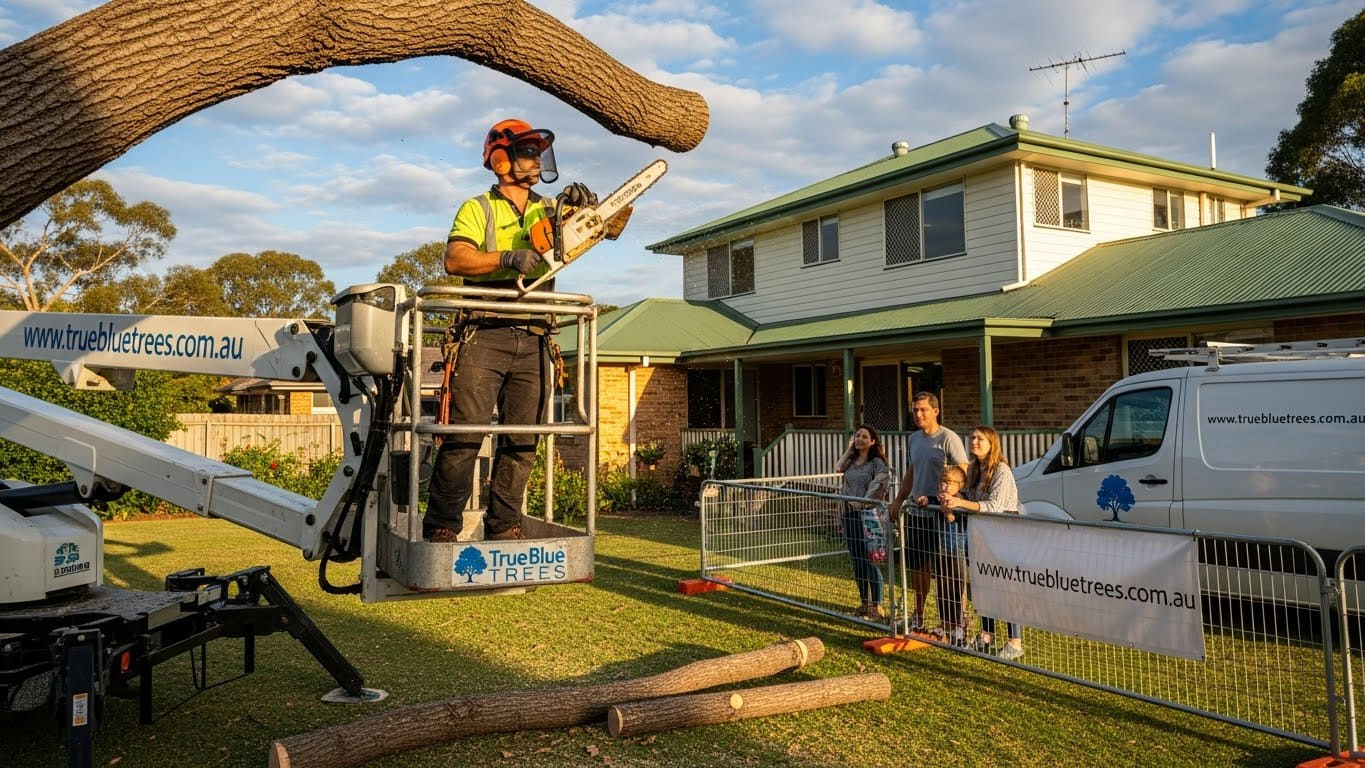
Trees are a valued part of Australian homes. They provide shade during hot summers, support local wildlife, and add natural beauty to suburban and rural properties. However, there are times when tree removal becomes necessary. Storm damage, disease, structural instability, or construction projects can all lead to the need for safe and professional removal.
For homeowners across Australia, understanding the right approach to tree removal is essential. Local council laws, safety risks, and environmental considerations all play a role. This guide explains practical tree removal tips tailored to Australian homes, with clear advice to help you make informed decisions.
Why Tree Removal May Be Necessary
Most people prefer to keep healthy trees whenever possible. However, certain situations make tree removal the safest option.
Common Reasons for Tree Removal
- Severe storm damage or split trunks
- Dead or dying trees
- Structural instability or leaning trees
- Root damage affecting foundations or plumbing
- Bushfire risk reduction
- Major renovation or building projects
In areas prone to strong winds, such as coastal New South Wales or parts of Queensland, damaged trees can pose serious hazards. In bushfire-prone regions, tree removal may be part of a broader vegetation management plan.
Understanding Australian Council Regulations
Before arranging tree removal, it is important to check local council rules. Across Australia, many trees are protected under local environmental laws.
When Approval Is Required
You may need council approval if:
- The tree is a native species
- The trunk exceeds a certain diameter
- The property is located in a heritage or conservation area
- The tree is listed under a vegetation protection overlay
For example:
- In New South Wales, councils regulate tree removal under local environmental plans.
- In Victoria, vegetation protection overlays apply in many suburbs.
- In Queensland, local laws often protect established native trees.
Failure to follow regulations can result in significant penalties. A professional service like True Blue Trees can help assess whether approval is required and assist with the application process.
Safety First: Why Professional Tree Removal Matters
Tree removal can be dangerous work. Large trees require specialised equipment and trained operators. Falling branches, unstable trunks, and nearby powerlines all increase risk.
Risks of DIY Tree Removal
- Injury from chainsaws or falling limbs
- Damage to homes, fences, or vehicles
- Electrical hazards near powerlines
- Uncontrolled tree falls
In Australia, workplace safety standards require trained professionals for high-risk tasks. Qualified arborists use climbing systems, cranes, and protective equipment to complete tree removal safely and efficiently.
The Tree Removal Process Explained
Understanding how professional tree removal works helps homeowners feel more confident about the process.
Step One: Inspection and Assessment
A trained arborist will inspect the tree to determine:
- Health and structural stability
- Proximity to buildings and services
- Wildlife presence
- Access for equipment
This assessment guides the safest removal method.
Step Two: Controlled Dismantling
In most residential settings, trees are removed in sections. Branches are carefully cut and lowered using ropes or mechanical equipment. This controlled approach prevents damage to surrounding structures.
Step Three: Trunk Removal and Stump Grinding
After the canopy is removed, the trunk is cut down in sections. Many homeowners also request stump grinding to remove the remaining base below ground level. This allows for landscaping, turf installation, or replanting.
Environmental Considerations in Australia
Australia has unique ecosystems and native wildlife. Tree removal should always consider environmental impact.
Protecting Wildlife
Before removing a tree, professionals check for:
- Bird nests
- Possums
- Other native fauna
In some cases, removal may need to be delayed to protect wildlife.
Replanting and Sustainability
Responsible tree removal often includes replanting suitable species. Many councils encourage replacing removed trees with native alternatives that suit the local climate.
True Blue Trees promotes sustainable practices, including proper waste recycling and responsible disposal of green waste.
Tree Removal and Bushfire Safety
In bushfire-prone areas, vegetation management is a major concern. Removing hazardous trees can help reduce fuel loads around homes.
Creating Defensible Space
Tree removal may support:
- Clearance around buildings
- Reduced canopy density
- Safer emergency access
Always follow local fire authority guidelines when managing vegetation for bushfire safety.
Costs and Planning Considerations
While cost is often a concern, safety and compliance should come first. The complexity of tree removal depends on:
- Tree height and size
- Access to the site
- Proximity to structures
- Required permits
A detailed site inspection ensures accurate planning and safe execution.
Choosing the Right Tree Removal Service in Australia
With many providers available, selecting the right team matters. Look for:
- Qualified arborists
- Public liability insurance
- Knowledge of local council regulations
- Modern equipment and safety practices
- Clear communication
True Blue Trees offers professional tree removal services tailored to Australian homes. Our team understands local conditions, council requirements, and safe removal techniques.
Questions and Answers: Common Questions About tree removal in Australia
Q: Do I need council approval for tree removal on my property? In many Australian councils, approval is required for removing certain trees. Protected species, large trees, and properties in conservation areas often require permits. Always check with your local council or consult a qualified arborist before proceeding.
Q: How long does tree removal take? The timeframe depends on the size of the tree, site access, and complexity of the job. Small trees may be removed quickly, while larger trees near buildings require careful dismantling over a longer period.
Q: What happens to the tree after removal? After tree removal, the timber and green waste are usually chipped, recycled, or removed from the site. Many services also offer stump grinding to clear the area completely.
Q: Is tree removal covered by home insurance? Insurance may cover tree removal if the tree has fallen due to a storm or insured event and caused damage. Coverage varies between policies. It is best to check directly with your insurer.
Q: Can tree roots continue to cause problems after removal? If the stump remains, roots may continue to grow or decay slowly. Stump grinding reduces this risk and prevents regrowth in many cases.
When Tree Removal Is the Right Choice
While tree pruning can solve many issues, some situations require complete removal. A tree that poses a safety risk, shows advanced decay, or threatens property may need to be removed to protect people and assets.
Professional advice ensures you make the right decision. An experienced arborist can determine whether tree removal is necessary or if alternative solutions exist.
The Importance of Ongoing Tree Care
Tree removal should be part of a broader tree management plan. Regular inspections and maintenance reduce the likelihood of emergency removals in the future.
Healthy trees add value to your home and contribute to the environment. Responsible management balances safety with preservation.
Conclusion: Your Path to a Successful tree removal in Australia
Tree removal is a serious decision for any Australian homeowner. Safety, legal compliance, and environmental responsibility must all be considered. From council regulations to bushfire management and wildlife protection, each factor plays a role in the process.
Professional tree removal ensures that the job is done safely and in line with Australian standards. Careful assessment, controlled dismantling, and responsible waste handling protect both your property and the surrounding environment.
If you are considering tree removal, start with a professional inspection. True Blue Trees offers reliable, compliant, and safe tree removal services tailored to Australian homes. Taking the right steps today helps protect your home, your family, and your landscape for the future.