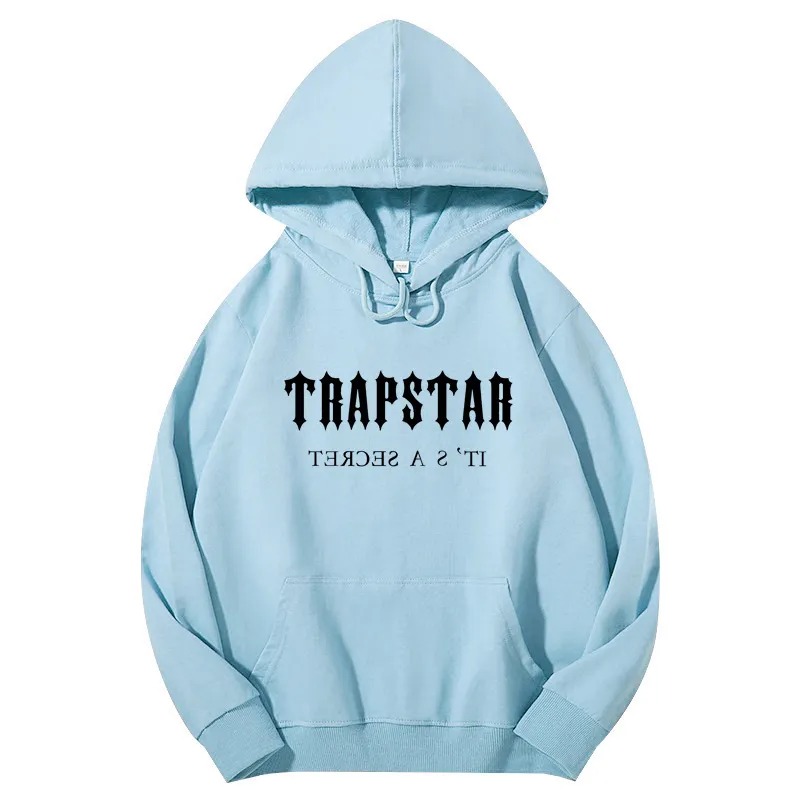
Street fashion has always been about identity, attitude, and community. From the skate parks of California to the underground music scenes of London, what people wear sends a message. In the last decade, one item has steadily become more than just sweat-shirts with logos—it’s become a symbol of relaxed confidence, cultural influence, and modern style. That item is the Trapstar. In 2026, Trapstar stands at the intersection of fashion, music, digital culture, and youth identity, marking a new era for relaxed streetwear that’s redefining how we express ourselves without trying too hard.
Origins: More Than Just a Hoodie
Trapstar began as a small British brand making clothes that spoke to people who felt outside the mainstream. Founded in London, it took inspiration from local music scenes, street art, and a DIY attitude that rejected traditional fashion norms. From the beginning, Trapstar wasn’t about luxury in the classical sense—it was about authenticity. The hoodie quickly became a staple because it combined comfort with attitude, allowing people to project confidence and individuality without a lot of effort.
The early success of Trapstar wasn’t accidental. Musicians, artists, skaters, and influencers started rocking the hoodies in videos, shows, and social media posts. This helped the brand grow organically: people didn’t just wear the hoodie for warmth—they wore it to tell the world who they were. By 2026, that original spirit of real-world authenticity remains core to the brand’s identity.
Design Evolution: What’s New in 2026
So what makes the 2026 Trapstar Hoodie so special? First, the design approach has matured. Instead of just logo placements and standard cuts, the 2026 lineup incorporates thoughtful details that reflect how streetwear has changed:
Fabric Innovation: Trapstar uses sustainable, breathable materials that are both soft and durable. These fabrics adjust to temperature and movement, making them ideal for school, travel, or creative work.
Custom Fit Options: Instead of one generic fit, the hoodies come in tailored silhouettes—slim, relaxed, oversized—so people can choose how they want to express themselves visually and comfortably.
Tech Meets Street: Some models include functional elements like headphone loops, smartphone pockets, and minimal reflective trims that work with everyday life and urban environments.
Despite these changes, the hoodie still carries that familiar bold branding. Trapstar’s iconic aesthetic—sharp text, graphic symbols, and collaborations with visual artists—makes each piece instantly recognizable without feeling loud or overdone.
Cultural Influence: Music, Media, and Youth Identity
Street fashion is inseparable from music and media culture. In 2026, Trapstar Hoodies aren’t just worn—they’re featured in music videos, films, livestreams, and fashion editorials. Emerging genres like hyper-pop, drill, and fusion rap constantly reference urban culture in ways that fit Trapstar’s vibe: casual but meaningful.
Part of the hoodie’s appeal is how it blurs boundaries. It can be worn to a concert, to hang out with friends, or layered under a jacket for a more curated look. Trapstar’s appeal comes not from looking expensive, but from being relevant. Designers have collaborated with artists and DJs to create limited editions that celebrate cultural moments, turning a hoodie into a collectible piece of contemporary history.
The influence of the Trapstar Hoodie is also visible online. On platforms like TikTok and Instagram, teens create “OOTD” (Outfit of the Day) videos showing how they style their hoodies with sneakers, cargo pants, or accessories. This shared creativity feeds back into the brand’s popularity: each person’s style becomes part of a broader, global streetwear conversation.
Billionaire Studios
Billionaire Studios represents one of the most exciting collaborations in Trapstar’s evolution. In 2026, this creative collective brought a new dimension to the hoodie by fusing fashion with multimedia storytelling. Billionaire Studios began as a space where designers, music producers, filmmakers, and digital artists worked together to play with fashion as performance art. Instead of designing hoodies in isolation, they developed pieces alongside visual and audio experiences that expand what a piece of clothing can mean. The collaboration introduced hoodies with embedded QR art tags that link to exclusive short films, soundtracks, and behind-the-scenes content produced at the studio. These interactive features turned wearing a hoodie into a ticket to a broader cultural experience. Through exhibitions, pop-up events, and digital showcases, the Trapstar x Billionaire Studios hoodies became symbols of a new age—where fashion doesn’t just express identity, it narrates it. The result was less about selling clothes and more about creating shared stories, using the hoodie as both canvas and communicator in the continually evolving landscape of street culture.
Sustainability and Responsibility
By 2026, fashion as a whole is facing pressure to be more environmentally responsible. Trapstar has responded by reducing waste in production, using recycled fibers, and minimizing chemical dyes. These changes reflect a broader mindset: street fashion shouldn’t harm the world it draws inspiration from. For young customers, sustainability can be as important as style.
This shift away from fast fashion encourages people to think long-term about what they buy. The Trapstar Hoodie is made to last—not just physically, but stylistically. Its design choices are meant to remain relevant, allowing wearers to pass hoodies down, trade them, or incorporate them into evolving wardrobes. This reconsideration of consumption aligns with how many young people today think about the environment, personal values, and meaningful purchases.
Styling the Trapstar Hoodie in Everyday Life
One important reason the Trapstar Hoodie remains popular is that it adapts easily to different styles. Here are a few ways people are styling it in 2026:
Casual Everyday: Hoodie with straight-leg jeans and high-top sneakers. Simple, comfortable, and expressive.
Layered Urban: Hoodie under a denim jacket or oversized coat with cargo pants—a look that’s both functional and stylish.
Sport Meets Street: Matching hoodie with active shorts and sleek trainers—great for school, creative gigs, or weekend hangouts.
Personalized Twist: Customized patches, safety pins, and pins allow wearers to personalize their hoodies and make them unique.
These styling approaches show that the hoodie isn’t just an item of clothing—it’s a blank slate that reflects personal taste and creativity.
The Social Side: Community and Identity
One of the most significant reasons the Trapstar Hoodie thrives in 2026 is its role in community building. Fans form connections through shared interest in music, fashion, and lifestyle. Streetwear isn’t about fitting in—it’s about belonging to a culture where self-expression matters.
Whether at concerts, online forums, or creative events, people connect over what the hoodie represents as much as how it looks. This sense of community has helped the brand grow without losing touch with the values that made it appealing in the first place.
Looking Ahead: What’s Next for Trapstar?
Trapstar’s journey from a London streetwear label to an internationally influential brand shows how clothing can be more than a product—it’s cultural language. In the future, we can expect even more convergence between fashion, technology, and creativity. Augmented reality try-ons, custom digital content tied to physical pieces, and global collaborations with creators from diverse backgrounds are just some of the innovations on the horizon.
Tags : Trapstar Billionaire Studios